
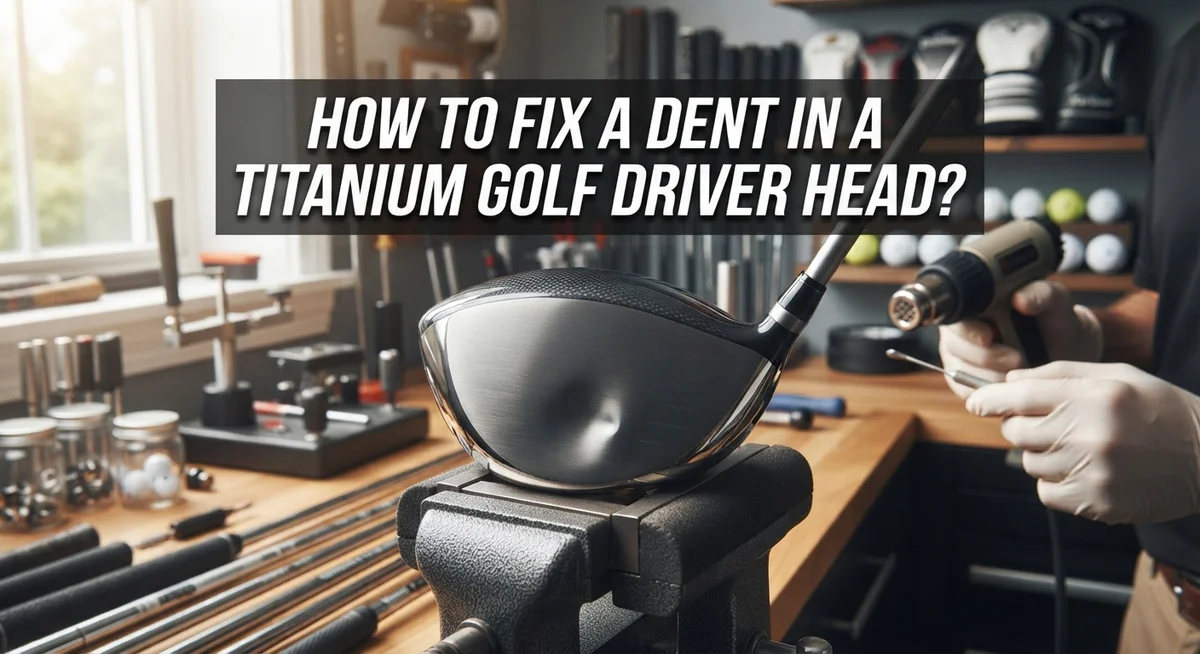
How to Fix a Dent in a Titanium Golf Driver Head?
A dented titanium golf driver head is every golfer’s nightmare. You grab your favorite club, and there it is — a frustrating dent staring back at you. The good news is that you have options before you give up on that club entirely.
Titanium is a strong but tricky metal to work with. It does not respond to repair attempts the same way softer metals do. This means you need to understand what you are dealing with before you start any fix.
This article walks you through the most common methods people use to fix a dent in a titanium golf driver head. These include heat expansion, temperature cycling, and pulling techniques used by auto body professionals.
You will also learn about the realistic expectations for each method. Some approaches work better than others, and knowing the difference saves you time and frustration.
By the end of this guide, you will know exactly which method suits your situation best. You will also know when it might be time to consider replacing the club head altogether.
In a Nutshell
Here is a quick summary of what this guide covers:
-
Titanium is hard to repair permanently. Dents in a titanium driver head are stubborn, and most DIY fixes offer only partial results.
-
Heat is the most common starting point. A hair dryer can warm the metal and encourage it to shift back toward its original shape.
-
Temperature contrast can help. Applying heat followed by a cold ice cube creates expansion and contraction, which may pop the dent out.
-
Hot glue pulling is a popular technique. Auto body shops use this method, but success on titanium is not guaranteed.
-
Other options include superglue, bondo, and fiberglass. These are mostly surface-level fixes and do not restore the original structure of the clubhead.
-
Replacement is often the most practical solution. If the dent affects performance or the finish looks poor after repair attempts, replacing the driver head is worth considering.
Set realistic expectations before you start. No method guarantees a perfect result on titanium.
Why Titanium Driver Heads Are Uniquely Challenging to Repair
Titanium driver heads present unique repair challenges that set them apart from other golf club materials. The metal’s strength is actually what makes dent removal so difficult. Unlike softer metals that respond well to traditional dent removal techniques, titanium resists reshaping once it deforms.
Titanium’s molecular structure is the core problem. This metal has a high melting point and incredible rigidity. When force creates a dent, the metal doesn’t want to move back into place. Standard auto body techniques that work on steel or aluminum often fail on titanium because the metal simply won’t cooperate the same way.
The material also has poor memory properties for dent repair. Some metals naturally want to return to their original shape after impact. Titanium doesn’t share this trait. Once dented, it stays dented unless you apply extreme force or heat to reshape it.
Another challenge is the thin construction of driver heads. Manufacturers use titanium precisely because it’s strong and light. This means the walls are often very thin. Thin walls make dent repair risky because you might damage the club beyond repair while attempting to fix the dent.
Professional repair shops understand these limitations well. Many will recommend replacement rather than repair for titanium drivers. The cost and time invested in repair often exceeds the value of simply buying a new club head.
Heat-based methods have limited success on titanium specifically. While heat can help expand the metal slightly, titanium requires much higher temperatures than most DIY tools can safely provide. This gap between theory and practical application is why so many home repair attempts fail on titanium golf clubs.
How to Assess the Severity of the Dent Before Attempting a Repair
Before you attempt any repair, you need to understand how bad the dent really is. Not all dents are created equal. Some are surface level, while others affect the club’s performance.
Start by examining the dent with your eyes. Look at it from different angles and in good lighting. Run your fingers over the damaged area gently. You want to feel how deep the indentation goes into the metal.
Check if the dent affects the club face. This is critical. If the dent is on the striking surface, it will change how the ball flies off the club. Even small face dents can alter your shots significantly. A dent on the back or sides of the head is less serious.
Measure the dent’s depth if possible. Use a ruler or straight edge and place it across the damaged spot. See how much space exists between the ruler and the lowest point of the dent. Dents under 1/8 inch deep are shallow. Anything deeper becomes problematic.
Look for cracks or splits in the titanium. This is important. If the metal has cracked, repair becomes nearly impossible. Cracks mean the structural integrity is compromised. The club may fail during your swing.
Test the club if the dent is minor. Hit a few balls at a driving range. Listen for unusual sounds. Feel if the club performs differently. This tells you whether the dent actually impacts play or is purely cosmetic.
Consider the dent’s location too. Face dents matter most. Dents on the crown or sole are often cosmetic only. Your assessment here determines whether repair is worth your time and effort.
The Heat and Cold Temperature Cycling Method
The heat and cold temperature cycling method works by forcing the titanium to expand and contract repeatedly. This process aims to pop the dent back out naturally. Here’s how it functions in practice.
Start by applying heat to the dented area using a hair dryer on medium or high setting. Hold the dryer about 6 inches away from the club head. Move it back and forth across the dent for 2 to 3 minutes. The goal is to warm the titanium evenly without overheating any single spot.
The heat causes the metal to expand slightly. This expansion can sometimes shift the dent outward. After heating, immediately apply an ice cube directly to the same area. The sudden cold creates rapid contraction. This temperature shock may cause the metal to snap back into shape.
Repeat this cycle 3 to 5 times for best results. Allow the club head to cool completely between cycles. Some people see minor improvement after several attempts.
Success rates remain low with titanium specifically. The metal’s rigid structure resists this type of manipulation. Unlike softer metals, titanium doesn’t have good “memory” to return to its original form. Most golfers report only partial results or no change at all.
The method works best on very shallow dents. Deep dents rarely respond to temperature cycling alone. If you notice any cracks forming during this process, stop immediately. Continuing could make damage worse.
This approach costs nothing and poses minimal risk to your club. It’s worth attempting before considering replacement or professional repair. Just keep realistic expectations about the outcome.
The Hot Glue Pulling Technique Used by Auto Body Professionals
Auto body professionals use a hot glue pulling technique that differs from DIY heat methods. This approach involves applying hot glue directly to the dented surface of your titanium driver head.
The process starts with cleaning the dented area thoroughly. Remove any dirt or debris so the glue bonds properly to the titanium. A clean surface ensures the strongest possible connection between the glue and metal.
Next, professionals apply hot glue in a thick layer across the dent. The glue must cover the entire affected area. Some technicians create a glue pad that’s roughly the size of a golf ball.
Once the glue cools and hardens completely, the pulling begins. A professional uses a specialized pulling tool or suction cup attached to the glue. They apply steady, controlled force to draw the dent outward.
The key difference here is consistent tension rather than sudden force. Jerky movements can damage the titanium further or break the glue bond. Professionals pull slowly and deliberately over several minutes.
This technique works better than DIY methods because it distributes force evenly across the dented area. However, success remains uncertain even with professional application. Titanium’s rigid properties still resist permanent reshaping.
After pulling, the glue is carefully removed by heating it slightly or peeling it away. The titanium may pop back into shape partially, but rarely completely. Small indentations often remain visible.
Many auto body shops hesitate to attempt this repair on titanium golf clubs. The material’s structure makes lasting results unlikely. Professional technicians often recommend replacement instead of repair for driver heads with significant dents.
Using Bondo or Fiberglass to Fill and Restore the Club Head Shape
Bondo and fiberglass offer a different approach to dent repair on titanium driver heads. These materials work by filling the damaged area rather than trying to reshape the metal itself.
How Bondo works for this repair
Bondo is a two part putty that hardens when mixed. You apply it directly into the dented area after cleaning the surface thoroughly. The putty fills the depression and creates a smooth surface. Once it hardens, you sand it down to match the club head’s original shape. This method doesn’t restore the titanium itself but creates a cosmetic fix.
Fiberglass application basics
Fiberglass works similarly to Bondo but uses a resin base with fiberglass strands for added strength. You layer the fiberglass over the dented area, allowing each layer to cure before adding the next one. This builds up material that fills the depression. The result is stronger than Bondo alone but requires more time to complete.
Important limitations to know
These filling methods have real drawbacks. The repair won’t restore the club head to its original structural integrity. The filled area may not withstand repeated impacts from golf balls. Temperature changes can cause the filler materials to expand or contract differently than titanium, creating gaps over time.
When to use these methods
Consider Bondo or fiberglass only if the dent is purely cosmetic and doesn’t affect club performance. If the dent impacts the club face or sweet spot, these methods won’t solve your problem. The repair is temporary and may require redoing after months of use. Many golfers find that replacement remains the better long term option for titanium driver heads.
When to Take Your Driver to a Professional Repair Shop
Knowing when to visit a professional repair shop saves you time and money. Titanium is extremely difficult to work with at home. The metal’s rigid structure resists most DIY methods. If you’ve tried heat cycling or other techniques without success, a professional shop becomes your best option.
Visit a repair shop if the dent affects your club’s performance. A dent that changes how the ball flies or impacts your swing requires expert attention. Professionals can assess whether the damage is cosmetic or structural. Structural damage means the club head’s integrity is compromised. This affects aerodynamics and ball contact.
Size matters when deciding on professional help. Large dents covering more than one inch across rarely respond to home methods. Deep dents that create sharp creases in the metal need professional evaluation. Shallow surface dents might still be worth attempting at home first.
Consider professional repair if the club is expensive or relatively new. Replacing a premium driver costs significantly more than repair services. Older clubs nearing the end of their useful life may not justify professional fees.
Visit a shop if you lack confidence in DIY methods. Some people prefer letting experts handle the work from the start. This eliminates frustration and reduces the risk of making the dent worse.
Auto body shops often handle golf club repairs. They have specialized equipment like hot glue pulling machines. Golf repair specialists exist in many areas and understand club specific needs better. Call ahead to confirm they work on titanium driver heads.
The decision ultimately depends on your dent’s size, your club’s value, and your comfort level with repairs. Professional shops provide reliability that home methods cannot guarantee.
Common Mistakes to Avoid When Attempting Titanium Dent Repair
Repairing titanium golf driver heads presents real challenges that many people underestimate. Understanding common mistakes helps you avoid wasting time and potentially making damage worse.
Applying too much force is the biggest error. Many people assume that harder pulling or aggressive hammering will pop out the dent faster. This approach backfires on titanium because the metal becomes brittle under excessive stress. You risk creating new dents or cracking the club head entirely. Patience and gentle, consistent pressure work much better than sudden forceful movements.
Skipping the cleaning step causes poor results. Before attempting any repair method, the dented area must be completely clean and dry. Dirt, dust, or moisture prevents adhesives from bonding properly and reduces the effectiveness of heat methods. Take time to wash and dry the area thoroughly.
Using incorrect temperature ranges damages the club. Titanium has specific heat tolerances. Applying extreme heat from torches or ovens can warp the entire club head or affect the internal structure. Stick with gentle heat sources like hair dryers or warm water. Never use open flames.
Mixing repair methods randomly creates failures. Combining heat with superglue, then adding bondo, and finishing with ice creates unpredictable results. Each method works best when used independently and properly. Switching between techniques mid repair usually leads to permanent damage.
Ignoring the dent’s depth is a critical mistake. Deep dents rarely respond to DIY methods. Attempting repairs on severe damage wastes your effort and time. Assess whether the dent is truly shallow before starting any repair process.
Expecting permanent cosmetic fixes from temporary methods sets unrealistic expectations. Most DIY repairs provide temporary improvement, not permanent solutions.
How a Dent Affects Driver Performance and When Repair Is Worth It
A dent in your titanium driver head affects performance in different ways depending on its location and depth. If the dent sits on the club face, it can change how the ball launches and spins. Dents near the sweet spot reduce distance and accuracy. Small cosmetic dents on the back or sides have minimal impact on play.
Performance loss varies by dent severity. A shallow dent might not matter much. A deep dent that alters the club head’s aerodynamics can affect your swing speed. Dents that change the club face angle will definitely hurt your shots.
You should consider repair worth if the dent impacts how your driver performs. Test your club before deciding. Hit some balls and compare your results to before the dent appeared. If you notice distance loss or accuracy problems, repair makes sense.
The club’s value matters too. High end drivers are worth fixing. Budget friendly drivers might be cheaper to replace. Think about your club’s age and condition. A newer, expensive driver is worth professional repair. An older club might not justify the cost.
Dents that affect club face alignment need professional attention. DIY methods rarely restore the original shape permanently on titanium. Heat and ice methods sometimes work for shallow dents. Deep dents usually require professional help or replacement.
Consider your skill level honestly. If you feel uncomfortable with repairs, visit a professional shop. They have better tools and experience. The money you spend on professional repair often costs less than replacing the entire driver.
Your decision depends on three factors: dent depth, club value, and your confidence level.
Final Thoughts
Fixing a dent in a titanium golf driver head is genuinely difficult work. Titanium is a tough, resilient metal that does not respond easily to DIY repair attempts.
Most methods have limited success rates. Heat cycling, ice application, and superglue pulling techniques can work in some cases, but results are inconsistent.
Permanent repairs are hard to guarantee with titanium. The metal’s properties make it resistant to reshaping once it has been deformed.
Your best realistic outcome depends on the dent’s size and location. Small, shallow dents respond better to gentle heat and cold contrast methods than deep structural dents do.
Professional auto body shops offer more reliable results than home methods. They use specialized pulling tools and have experience working with tough metals.
Always assess the dent honestly before starting any repair. If the dent is deep, near the club face, or affecting your swing results, professional help is the smarter path.
Replacement is sometimes the most practical answer. If your driver is older or lower in value, the time and effort spent on repairs may not be worthwhile.
If your driver is a high-quality club that you rely on regularly, investing in a professional assessment makes sense. A trained technician can tell you quickly whether repair is realistic.
The key takeaway is simple. Titanium dent repair is possible but not guaranteed. Go in with realistic expectations and a clear plan.
Know your limits, protect your investment, and prioritize your performance on the course. Whether you repair or replace, the goal is always a driver that performs well in your hands.
Frequently Asked Questions
Can hot glue actually pull a dent out of titanium?
Hot glue pulling works sometimes, but results are unpredictable. The method involves applying hot glue to the dent, attaching a wooden dowel or similar object, then pulling upward. Titanium’s rigidity makes this technique unreliable compared to aluminum clubs.
Success depends on dent depth and location. Shallow dents respond better than deep ones. The glue bond may fail before the metal pops back into shape. Many people try this method and see no improvement at all.
Is it worth repairing a small dent myself?
Small dents that don’t affect performance might not need repair. If the dent is cosmetic only, leaving it alone saves time and effort. Your club still functions normally.
However, if the dent bothers you, attempting a heat and ice method costs almost nothing. Apply heat with a hair dryer for two minutes. Then press an ice cube against the area. Temperature changes can sometimes help the metal return to shape. Expect mixed results though.
When should I replace the driver instead of repairing it?
Replacement makes sense in several situations. Deep dents that affect club face alignment need professional assessment. Older or lower value drivers may cost more to repair than replace. Dents near the striking surface impact performance significantly.
Consider your budget and the driver’s age. If repair attempts fail multiple times, replacement becomes the practical choice. A new driver performs better and comes with a warranty.
What do professional auto body shops do differently?
Auto body technicians use specialized equipment and experience. They apply heat more precisely than home methods. The hot glue pulling technique works better in professional hands with proper tools.
Body shops assess dent severity accurately. They know when repair is possible versus when replacement is necessary. Professional work costs money but offers better success rates than DIY attempts.

Virat is the founder and lead writer at ActivePlayFinds.com, where he shares honest, in-depth reviews, comparisons, and buying guides to help athletes and sports enthusiasts find the perfect gear. With a deep passion for sports and hands-on experience testing a wide range of products, he is committed to helping readers make smart, confident buying decisions.


