
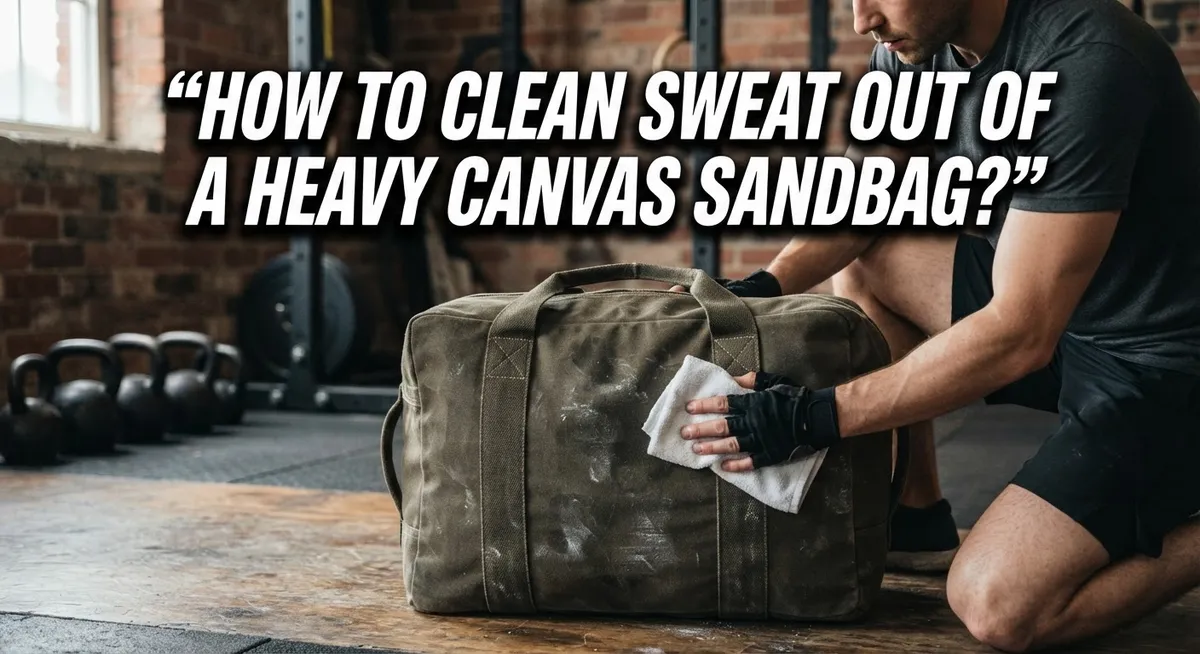
How to Clean Sweat Out of a Heavy Canvas Sandbag?
Sweat happens. If you train hard with a canvas sandbag, you know the smell that comes with it.
That heavy bag soaks up moisture every time you lift, carry, or slam it. Over time, sweat builds up deep in the fibers. It can leave your gear smelling sour and looking worn.
The good news? You don’t need harsh chemicals or a washing machine to fix this problem. Canvas is tough, but it still needs gentle care to stay in good shape.
This guide walks you through simple, safe steps to clean sweat out of your sandbag. We will cover the best cleaning solutions to use at home. You will learn how baking soda and vinegar tackle stubborn odors.
We will also point out common mistakes that damage canvas fibers. Things like hot water and aggressive scrubbing can shorten your bag’s life.
By the end, you will know exactly how to refresh your sandbag and keep it smelling clean. Your gear works hard for you. It deserves proper care in return.
In a Nutshell
Here’s the quick rundown for cleaning your canvas sandbag. Keep these points handy for a fast refresher.
-
Start with a damp cloth or soft sponge. Wipe away surface sweat before it sets deep into the fibers.
-
Mix mild detergent with lukewarm water. This combo cleans without breaking down canvas material.
-
Tackle odor with baking soda. Make a paste with water, or pair it with white vinegar for extra power.
-
Scrub gently, never aggressively. Rough scrubbing wears down canvas fibers over time.
-
Skip the washing machine completely. Treated or waxed canvas cannot handle machine cycles.
-
Air dry your sandbag fully. Never use heat, since it causes shrinkage and weakens the material.
-
Avoid hot water at all costs. It damages fibers and shortens your sandbag’s lifespan.
Follow these steps, and your sandbag stays fresh and odor free. Your training gear deserves this simple care. A little attention now saves you from bigger problems later.
Why Sweat Buildup Happens in Canvas Sandbags
Sweat buildup in canvas sandbags happens because of how the material absorbs moisture. Every time you train, your hands, arms, and body release sweat that soaks directly into the canvas fibers. The bag traps this moisture inside, creating the perfect environment for odor to develop.
Canvas is a tightly woven fabric. It holds onto sweat particles and salt residue from your skin. Unlike smooth surfaces, canvas has tiny pockets and textures where sweat can hide deep within the weave. This is why surface wiping alone does not solve the problem.
Heat and friction make sweat penetration worse. When you grip the bag hard during training, pressure forces sweat deeper into the material. Warm gym environments speed up this process. The longer sweat sits in the canvas, the more stubborn the odor becomes.
Salt content in sweat creates stains and lingering smells. Your body releases sodium chloride along with moisture. This salt crystallizes on and within the canvas fibers. Over time, these salt deposits build up and attract bacteria, which produces that distinctive sour smell.
Frequent use accelerates the problem. Heavy training sessions mean more sweat exposure. Daily use gives moisture less time to evaporate between workouts. The canvas never fully dries, so odor compounds keep accumulating.
Understanding this process helps you clean more effectively. You now know sweat does not stay on the surface. It penetrates deep into the weave. This is why gentle, thorough cleaning methods work better than aggressive scrubbing. You must reach the fibers where moisture hides, not just clean what you can see.
What You’ll Need Before You Start Cleaning
Before you start cleaning your canvas sandbag, gather the right supplies. Having everything ready makes the job faster and prevents damage to the material.
Cleaning cloths and sponges are your first essentials. Use soft cloths or gentle sponges only. Rough materials scratch and wear down canvas fibers. Avoid steel wool or abrasive scrubbers completely.
You will need mild detergent for the main cleaning step. Regular dish soap works well. Avoid heavy duty cleaners or bleach, as these break down canvas fibers and cause discoloration.
Baking soda is critical for odor removal. This powder neutralizes sweat smells naturally. Keep a box on hand for making paste or sprinkling directly on damp areas.
White vinegar pairs perfectly with baking soda for tough odors. Mix these two together for extra cleaning power. The vinegar cuts through salt deposits left by sweat.
Prepare lukewarm water in a bucket or basin. Never use hot water, since heat causes canvas to shrink and weakens the material. Room temperature water is safest for your sandbag.
Get towels ready for drying. Use clean, dry towels to absorb excess moisture after cleaning.
A spray bottle helps apply cleaning solutions evenly. Fill it with your detergent and water mixture for controlled application.
Finally, choose a well ventilated drying area. Your sandbag needs air circulation to dry completely. Never use a dryer or heat source.
Check that all supplies are on hand before starting. This prevents interruptions mid cleaning and keeps your sandbag safe from damage.
Step-by-Step: Removing Surface Sweat and Grime
Start by wiping the sandbag with a damp cloth or soft sponge. Press gently against the canvas to lift away fresh sweat before it soaks deeper into the fibers. Work in small sections, moving from top to bottom.
For light surface sweat, plain lukewarm water often works well. Dampen your cloth, squeeze out excess water, and wipe the affected areas. This prevents oversaturation, which can damage the canvas or cause mildew.
If sweat has left visible stains or discoloration, mix mild detergent with lukewarm water. Use a ratio of one part detergent to ten parts water. Dip your soft sponge into this solution and apply it to stained spots.
Gently scrub in circular motions. Never use aggressive pressure or hard brushes. Canvas fibers weaken when you rub too roughly, and the material can become thin or frayed over time.
Pay special attention to seams and stitched areas. Sweat accumulates in these crevices, so spend extra time here. Use a soft cloth to work into corners without damaging the stitching.
Rinse the cleaned areas with a fresh damp cloth and plain water. This removes soap residue that can attract dirt or cause discoloration. Squeeze out your cloth well so you do not oversaturate the canvas.
Wipe the entire sandbag one final time with a dry cloth. This removes excess moisture and helps prevent water spots. Your sandbag is now ready for the next step: odor elimination or air drying.
Tackling Odor with Baking Soda and Vinegar Methods
Baking soda and white vinegar work together to eliminate stubborn odors that plain water cannot remove. These two ingredients react chemically to break down odor causing bacteria trapped deep in canvas fibers.
Start with baking soda paste. Mix baking soda with a small amount of water until you get a thick, spreadable consistency. Apply this paste directly to areas where sweat odor is strongest. Let it sit for 15 to 30 minutes. The baking soda absorbs moisture and neutralizes acidic compounds that create bad smells.
After the paste dries slightly, gently scrub the affected spots with a soft cloth or sponge. Use light circular motions to work the paste into the fabric. Avoid pressing hard, as aggressive scrubbing damages canvas fibers. Pay attention to seams and corners where sweat collects most.
Now add vinegar for extra power. Mix equal parts white vinegar and water in a spray bottle. Lightly spray the areas where you applied baking soda. The vinegar reacts with remaining baking soda residue and cuts through odor molecules. You may notice some fizzing, which means the process is working.
Let the vinegar and baking soda combination sit for another 10 to 15 minutes. Wipe everything away with a damp cloth and plain water. Rinse multiple times to remove all residue completely.
Complete the process with proper drying. Hang your sandbag in a well ventilated area. Air circulation helps eliminate remaining moisture and odors. Never use heat or direct sunlight, as these can weaken the canvas material.
This two step method tackles odor at its source rather than just masking it temporarily.
Deep Cleaning Tough Stains Without Damaging Canvas
When tough stains resist your initial cleaning efforts, you need a stronger approach. The key is using methods that lift deep stains without harming the canvas fibers underneath.
Baking soda paste is your most powerful weapon for stubborn stains. The fine powder particles penetrate fabric fibers and break apart sweat deposits that water alone cannot remove. Apply the paste directly to stained areas and let it sit for 20 to 30 minutes. This waiting period allows the baking soda to work into the stain. Then gently scrub with a soft cloth using light pressure.
For extra stubborn marks, create a stronger solution by mixing baking soda with a small amount of white vinegar instead of water. This combination creates a gentle fizzing action that helps lift embedded stains. The chemical reaction works on the stain without requiring aggressive scrubbing that could damage canvas.
Avoid these common mistakes that ruin canvas. Never use hot water, as it can shrink the fabric and set stains permanently. Skip harsh commercial cleaners designed for synthetic materials. These damage natural canvas fibers. Do not scrub hard or use stiff brushes, which roughen the canvas surface and weaken stitching.
After treating stains, rinse thoroughly with plain lukewarm water. Use a fresh damp cloth to remove all cleaning residue. Any leftover solution can attract dirt and create new stains. Pat the area dry with a clean towel, then hang your sandbag in a well ventilated space. Complete air drying ensures no moisture remains trapped inside the canvas, which prevents mildew and odor from returning.
Proper Drying Techniques to Prevent Mold and Shrinkage
After you finish cleaning your sandbag, proper drying prevents mold growth and shrinkage. This step matters as much as the cleaning itself.
Air drying is your only option. Never use a dryer, heat gun, or direct sunlight. High heat damages canvas fibers and causes permanent shrinkage. The bag may lose its shape and become smaller than intended.
Choose a location with good air circulation. A garage, basement, or shaded outdoor area works well. Ensure air can flow around all sides of the bag. Hang it vertically if possible, or lay it flat on a clean surface. Rotate the bag every few hours so moisture evaporates evenly.
Check the interior carefully. Sand inside the bag can trap moisture. If water seeped inside during cleaning, tilt the bag to let water drain out. You may need to gently shake it or tap the sides. Allow extra drying time if the interior got wet.
Monitor the drying process for 24 to 48 hours. The exact time depends on humidity and air circulation. Squeeze the canvas gently. It should feel completely dry before you use the bag again. Any remaining dampness invites mold and mildew.
Avoid enclosed spaces during drying. Basements without ventilation or sealed closets trap moisture. This creates the perfect environment for mold. Open windows or use fans to keep air moving.
Once fully dry, store your sandbag in a dry location. Keep it away from damp areas like bathrooms or laundry rooms. Proper storage after drying keeps your equipment fresh and ready for your next workout session.
Common Mistakes That Damage Canvas Sandbags
Using hot water is one of the biggest mistakes you can make. Hot water weakens canvas fibers and causes the fabric to shrink permanently. Your sandbag will lose its shape and become smaller than intended.
Harsh detergents damage canvas just as much as hot water does. Strong cleaning products break down the fabric’s protective coating. Always stick with mild detergent solutions instead. Your canvas stays intact and lasts much longer.
Aggressive scrubbing roughens the canvas surface and creates worn spots. When you rub hard, you push dirt deeper into the fibers instead of lifting it out. Use gentle circular motions with a soft cloth or sponge. Let the cleaning solution do the work for you.
Machine washing is absolutely not recommended for treated canvas sandbags. The spinning cycle puts too much stress on the fabric. Waxed or sealed canvas especially cannot handle machine washing. Hand cleaning is always the safer choice.
Skipping the rinsing step leaves detergent residue on your bag. This residue attracts more dirt and causes discoloration over time. Always rinse thoroughly with fresh lukewarm water after cleaning. Wipe the entire surface one final time with a dry cloth.
Rushing the drying process invites mold and mildew growth. Never use a dryer, heat gun, or direct sunlight on your sandbag. Air drying in a well ventilated area takes 24 to 48 hours. Check inside the bag to ensure sand doesn’t trap moisture. Store your sandbag only after it’s completely dry. These simple precautions keep your equipment in excellent condition for years.
Maintaining Your Sandbag Between Deep Cleans
Between deep cleans, your sandbag needs regular maintenance to keep sweat from building up. This prevents odor and keeps the canvas in good shape.
Wipe down your bag after each training session. Use a damp cloth or soft sponge to remove surface sweat while it’s still fresh. This simple step stops sweat from soaking deep into the fabric.
For light odor, sprinkle baking soda directly on the affected areas. Let it sit for a few hours or overnight. The powder absorbs moisture and neutralizes smell naturally. Brush off the powder with a soft cloth afterward.
If your bag smells stronger, create a light cleaning solution. Mix mild detergent with lukewarm water. Dampen a cloth in this solution and wipe the canvas gently. Focus on areas where your hands and body contact the bag most.
You can also use a spray bottle with water and a few drops of mild soap. Lightly mist the problem areas, then wipe with a clean cloth. This keeps the canvas damp but not soaked.
Air circulation matters between sessions. Store your sandbag in a well ventilated area, not in a closed gym bag or locker. Moisture trapped inside creates odor and mold.
Check the seams and stitching regularly. Sweat can collect in these spots. Gently wipe seams with a damp cloth to prevent deterioration.
Never let sweat dry completely on the canvas without attention. Fresh sweat is easier to remove than old, set stains. Quick maintenance between deep cleans keeps your sandbag fresh and extends its lifespan significantly.
Final Thoughts
Cleaning sweat out of a heavy canvas sandbag does not need to be complicated. Simple tools like a damp cloth, mild soap, and baking soda handle most sweat and odor problems.
The key is gentle care. Canvas fibers stay strong when you avoid hot water and harsh chemicals.
Regular maintenance makes a big difference. A quick wipe down after each session stops sweat from soaking deep into the fabric.
When odor builds up, baking soda works well. It lifts stains and neutralizes smells without damaging the material.
Patience during drying matters just as much as the cleaning process itself. Rushing this step often leads to mold or a musty smell that lingers.
Your sandbag works hard during every training session. It deserves a little care in return.
Think of cleaning as part of your routine, not an occasional chore. Bags cleaned often need less scrubbing overall.
This approach saves you time in the long run. It also helps your equipment last through months of heavy use.
Small habits create big results here. Wiping sweat away today prevents a tough cleaning job next week.
Canvas sandbags are built tough, but they still need attention. Treat them right, and they will serve you well for years.
Skip the shortcuts that damage fibers. Stick to proven methods like mild soap, baking soda, and air drying.
Your training gear reflects how you care for it. A clean, fresh smelling sandbag makes every workout more pleasant.
Follow these steps consistently and sweat buildup will not become a problem anymore. Your sandbag stays fresh, functional, and ready whenever you need it.
Frequently Asked Questions
Can I use hot water to clean my sandbag faster?
No. Hot water weakens canvas fibers and causes shrinkage. Stick with lukewarm water instead. Your sandbag will stay in better shape for longer training sessions.
What’s the best way to remove tough sweat stains?
Make a paste with baking soda and water. Apply it directly to the stained areas. Let it sit for 15 to 20 minutes, then gently scrub with a soft sponge. Baking soda lifts stains and neutralizes odor at the same time.
Should I machine wash my sandbag?
Machine washing is not recommended for treated canvas sandbags. The agitation damages fibers and can weaken seams. Hand cleaning with a damp cloth works much better and keeps your bag intact.
How do I get rid of strong sweat odor?
Combine baking soda with white vinegar to create a paste. Apply it to the smelly areas and let it work for 20 minutes. The vinegar cuts through odor while baking soda absorbs it. Rinse gently with a damp cloth afterward.
Is there a quick solution for light odor between deep cleans?
Yes. Sprinkle baking soda directly on the affected spots. Let it sit overnight. The powder absorbs moisture and odor naturally. Brush it off the next day. This simple step keeps your bag fresh without a full cleaning.

Virat is the founder and lead writer at ActivePlayFinds.com, where he shares honest, in-depth reviews, comparisons, and buying guides to help athletes and sports enthusiasts find the perfect gear. With a deep passion for sports and hands-on experience testing a wide range of products, he is committed to helping readers make smart, confident buying decisions.


