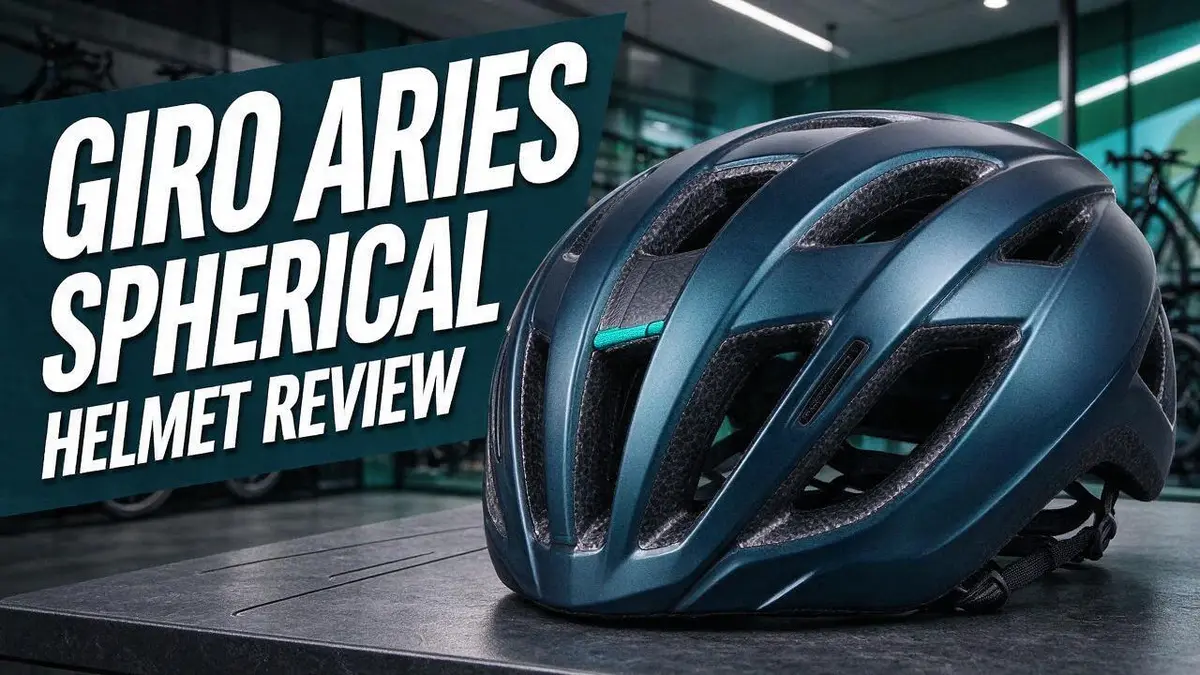
Giro Aries Spherical Helmet Review: MIPS Protection, Fit, and Ride Comfort
Looking for a road helmet that feels light and keeps you safe? Many cyclists want comfort without giving up protection. The Giro Aries Spherical Helmet was built to deliver both.
The helmet uses Spherical Technology with MIPS. This design helps reduce rotational forces during a crash. Virginia Tech rated it number one for lowering injury risk.
It also feels surprisingly light. At 270 grams in size medium, it sits comfortably on your head. Reviewers praised its barely there feel and smooth ride quality.
In this review, we will look at its key features, fit, and strengths. We will also see how it compares with other popular road helmets.
In a Nutshell
-
Top safety rating: Virginia Tech ranked the Aries number one for reducing injury risk. Riders get strong protection from a helmet that works well for everyday road miles.
-
Comfort that feels natural: Reviewers gave the ride quality a perfect 5.0 out of 5. Many riders soon forget they are wearing it, which helps on long training days.
-
Solid build with one weak spot: Build quality earned the lowest score at 4.0 out of 5. The overall reviewer score still reached a strong 4.5 out of 5.
-
Cooling and speed claims: The manufacturer says this helmet runs cooler and faster than standard road helmets. Test it on your own rides to see if the difference matters to you.
-
Strong rivals in the lineup: The Giro Eclipse Spherical earned a 5 out of 5 as a best road helmet. The Giro Synthe focuses on aero design, while LAS models offer full head coverage.
-
Best for committed road riders: This helmet suits cyclists who want comfort and protection in one package. Try it on before you decide to confirm the fit feels right for your head shape.
Protection Technology: Spherical Design and MIPS

- AURA II REINFORCING ARCH — The shatter-resistant and translucent Aura II Reinforcing Arch runs throughout the...
- DRYCORE — The DryCore sweat management system utilizes an internal silicone bead to redirect moisture away from...
Last update on 2026-11-26 / Affiliate links / Images from Amazon Product Advertising API
When a helmet takes a hit, the force often twists the head. This twisting motion can strain the brain. The Aries takes a different approach to protection.
Rotational impacts matter more than many riders realize. A crash on pavement rarely pushes straight into the skull. Instead, the head often spins at an angle. That spin creates the stress that worries doctors and engineers.
The spherical design tries to address this spin. Its curved shape allows the outer shell to move slightly around the head during an impact. This small movement can absorb energy before it reaches the skull.
MIPS works alongside this design. A low friction layer sits inside the helmet. It lets the head slide a little instead of catching and twisting. Think of it as a smooth liner that gives the head room to move.
Layering adds another safety step. The Aries uses progressive layers of material. Each layer handles a different job. Some layers compress to soak up force, while others spread the load across a wider area.
The shell matters too. A molded polycarbonate outer layer resists sharp objects and scrapes. Beneath it, an EPS liner absorbs the main energy of a hard hit. Together, these parts form a strong team.
Coverage is another point worth noticing. The lower hardbody section wraps around the back of the head. This extra cover protects areas that many lighter helmets leave exposed. Riders get more peace of mind on long descents and fast group rides.
Certification gives extra confidence. The helmet carries CE certification, which means it meets European safety standards. Riders can check that mark on the label before every ride.
Protection only works when the helmet stays in place. A secure fit keeps the spherical layer and MIPS aligned with the head during a fall. Loose helmets can shift and lose their benefits.
Proper placement matters just as much. Level the helmet on the head. Keep the front edge about two finger widths above the eyebrows. Adjust the straps so they form a clean V under the ears.
Regular checks keep the system working well. Look for cracks, dents, or worn pads after any crash. Replace the helmet if the shell or liner shows damage, even if it looks fine on the surface.
Build and Materials: Shell, Liner, and Coverage
Think of the shell as armor. Giro builds the outer layer from polycarbonate. Hard plastic spreads impact across a wider area. It also guards the foam underneath from scratches and scuffs.
The shell bonds directly to the liner during manufacturing. That tight connection leaves fewer gaps. Less movement between layers helps the helmet hold together during a crash.
The liner does the real work. EPS foam sits between your head and the shell. It compresses when a hit occurs. This crushing action absorbs energy, so less force reaches your skull.
EPS only works once, so a hard crash can ruin it. The outside may look fine while the foam stays damaged. Replace the helmet after any serious impact.
Coverage matters more than many riders expect. The lower hardbody section wraps around the back of the skull. This zone often takes hits when riders slide on pavement. Extra protection here guards the area behind the ears.
Check how the edges sit around your ears and neck. Good coverage should feel secure without pressing hard. A snug fit keeps the protective zones in the right place.
Materials affect daily comfort, too. Polycarbonate and EPS keep the build light. A lighter shell means less strain during long climbs and rides. Many riders feel the difference on steep roads.
Build quality earned the lowest score in reviews. Some riders may notice small finishing details along the shell edges. Look closely at the seams and trim before making a choice.
To keep the materials in good shape, clean the liner with mild soap and cool water. Avoid harsh solvents, because they can weaken the shell over time.
Overall, the build focuses on safety first. The materials and coverage work together. Riders get dependable protection without extra bulk on the head.
Fit and Adjustment: The Roc Loc 5+ System
Fit decides how well any helmet works. A loose helmet can shift during a crash. The Roc Loc 5+ system helps you lock in a snug feel.
The adjuster sits at the back of the head. It holds a thin band that wraps around the skull. Turn the dial, and the band tightens evenly.
Start with the right size. Measure your head just above the eyebrows and ears. Then match that number to the size chart before you adjust anything.
Put the helmet on with the front edge sitting about one finger width above your eyebrows. Do not tilt it back on your head.
Next, tighten the dial until the helmet feels snug. It should hug the head without causing pressure points. Your scalp should not feel pinched.
Check the rear of the fit. The dial should sit low, at the base of the skull. A high position can lift the helmet off the forehead.
Shake your head side to side. Then nod up and down. The helmet should stay put without slipping over your eyes.
Set the chin strap next. Adjust the side straps so the buckles sit just below each ear. Tighten the strap until one or two fingers fit beneath it.
Keep the strap snug but not tight. A loose strap can let the helmet roll forward. A tight strap can cause discomfort on long rides.
Make small changes over time. Your head may swell slightly on hot days. Loosen the dial a little, or retighten it after a long ride.
Hair, caps, and thick winter layers can change the feel. Test the fit with the gear you wear most often.
Watch for signs of a poor fit. Red marks, headaches, or constant slipping all point to a problem. Readjust the system or try another size.
Riders who train often should check the fit before every ride. A quick test takes less than a minute.
Top 3 Alternatives
If you want a different helmet, these three alternatives deserve a close look. Each one offers good airflow, solid comfort, and a secure fit. Read on to see which one suits your riding style.
Bell Super Air

- FUSION IN-MOLDING POLYCARBONATE SHELL AND PROGRESSIVE LAYERING - A process pioneered by Bell bonds the helmet's...
- FLEX SPHERICAL + MIPS - Comprehensive energy management. Flex spherical enhances our ability to address high-speed...
Last update on 2026-11-26 / Affiliate links / Images from Amazon Product Advertising API
Bell Super Air offers strong ventilation for hot rides. Its lightweight shell keeps your head cool during long climbs. The fit system feels snug and adjusts easily with one hand. Many riders also like its clean, modern look. This helmet works well for long road rides and warm summer days.
Lazer Z1

- Made for Epic Days: From the toughest road races to the rowdiest gravel adventures, the Z1’s ideal balance of...
- Find your size: Measure the circumference of your head 2cm above your eyebrows (about the width of a finger). Once...
Last update on 2026-11-26 / Affiliate links / Images from Amazon Product Advertising API
The Lazer Z1 combines a sleek shape with plenty of airflow. Its vents move air across your scalp, so you stay comfortable on steep hills. The dial system tightens quickly, even when you wear gloves. Riders often praise how light it feels. Pick this option if you want sporty style and everyday comfort.
Bontrager Ballista

- 🚀【Applicable Models】Breathable Helmet Padding Kit for Bontrager Ballista WaveCel
- 🚀【Soft & Comfortable Fit】Crafted from high-density sponge and breathable mesh fabric, this helmet padding...
Last update on 2026-11-26 / Affiliate links / Images from Amazon Product Advertising API
The Bontrager Ballista suits riders who want a steady, secure fit. Its design holds firm on rough roads and bumpy trails. Good airflow keeps sweat under control during tough workouts. The finish looks clean and pairs well with most bike colors. This choice fits riders who train often and want reliable protection.
Try each helmet on before you buy. A proper fit matters more than any single feature. Your head shape decides which one feels best.
Ride Comfort, Weight, and Ventilation
A helmet can feel fine for ten minutes and then wear you down. The Aries aims to stay comfortable for hours. Reviewers gave its ride quality a perfect 5.0 out of 5.
Weight plays a big role in that comfort. The medium size weighs about 270 grams. That is light for a full coverage road helmet. A lighter helmet means less strain on your neck during long climbs and fast descents.
Less weight also helps on rough roads. Each bump sends a small jolt through your head. A light helmet feels calmer and more stable as you ride.
Ventilation is the next big question. Giro says the Aries runs cooler than standard road helmets. Airflow moves through the shell and across your head as you pedal. Good airflow helps keep sweat from pooling and stinging your eyes.
Heat changes how a helmet feels. On warm days, a hot helmet can make you tired faster. Cooler air flowing over your scalp helps you stay focused. This matters most on summer climbs.
Group rides and long training days can heat up fast. A cooler helmet keeps your focus sharp in traffic and on busy routes.
Keep in mind that manufacturer claims need real testing. Your own rides will show how well the vents work in your climate. Try the helmet on a warm day before a long trip.
Speed and comfort often connect. Giro also claims the Aries rides faster than many standard helmets. A cool and light helmet helps you hold a steady pace. Your body stays fresher, so your legs and lungs work better for longer.
Carrying a light helmet between rides feels effortless, too.
Suitable Riding Conditions and Styles
The Aries suits road riding most of all. Riders use it for daily training, club rides, and weekend outings on paved routes. Smooth asphalt gives the helmet the best chance to feel light and stable.
Think about how long you ride each week. Short commutes and quick evening loops fit this helmet well. Longer weekend rides also suit it, especially when the route stays mostly smooth. Riders who commute to work may find it practical too.
Riders focused on speed may look at other options. The Giro Synthe uses an aero design for those who chase speed on flat courses. The Aries suits riders who value comfort over pure aerodynamics.
Hot summer days call for extra airflow. Louis Garneau models focus on a light build and vents for those conditions. Riders in cooler or mixed climates will find the Aries a comfortable match.
Riders who ride in heavy traffic may want more coverage. LAS helmets offer full head coverage for those who want extra protection on busy roads. Think about where you ride most often before you decide.
Group riders and solo riders both benefit from a steady fit. Group rides often mean close wheel contact, so a stable helmet matters. Solo riders on quiet roads may simply enjoy the light feel.
Reviewers rated the Giro Eclipse Spherical as the best road helmet. Riders who like the Spherical design may compare both models. Each one suits a slightly different style of riding.
Match the helmet to your riding style. Think about your climate, your speed, and the traffic you face. Test a few options before you commit to one model. The right choice feels natural on every ride.
Pros and Cons
Pros
– Virginia Tech rated the Aries as a top pick for lowering injury risk.
– Spherical Technology with MIPS adds an extra layer of protection.
– Full lower hardbody coverage guards more of the back of the head.
– One reviewer gave the ride quality a perfect 5.0 out of 5.
– It carries CE certification for safety standards.
Cons
– Build quality earns the lowest reviewer score at 4.0 out of 5.
– Research shows no clear drawbacks, so try it on in person first.
– Riders who want an aero design may prefer the Giro Synthe.
Who Should Buy It
If you are new to road cycling, the Aries makes a strong first helmet. A secure head brings more confidence on the bike. Your focus stays on balance and braking. Safety gear should never distract you from the road.
Riders who upgrade from an older helmet often notice the difference. Fit matters more than most people think. Parents who ride with children can set a good example. Kids copy what they see, so a helmet worn every ride sends a clear message.
Commuters who ride to work each morning also benefit. A helmet that feels easy after a long day keeps them fresh. Riders training for long events need comfort above all. Fatigue builds slowly over many miles. Long days test every part of your gear. Small annoyances grow over many hours.
Mountain bikers who want a visor or a different style will need another option. Riders who wear glasses should check how the arms sit under the helmet. New riders who feel unsure can ask a local shop for help. A shop fitter can check your sizing and tune the fit.
Ultimately, the right helmet fits your goals. Riders who test it first usually feel sure about the choice. Online shoppers should check the return policy before they buy. A helmet that feels wrong at home can go back. Riders who log many miles each season will notice small details more.
Anyone who wants a clear, simple choice will find this helmet easy to recommend. Buyers who consider a used helmet should know that past crashes can weaken protection. Every new rider should replace a helmet after a hard fall. Riders with a busy schedule can test the Aries during a quick shop visit. A short ride around the block shows how the helmet feels in motion. Good gear makes every mile more enjoyable.
Final Verdict
The Giro Aries Spherical helmet earns a confident final verdict. It suits road riders who want a balance of protection, comfort, and simple design.
Think of it as a daily partner. A good helmet should fade into the background. Most riders stop noticing it after a few miles, and that is the real goal.
The right verdict depends on your habits. Short trips and long weekend rides place different demands on gear. Look closely at how often you ride and how far you go.
Long sessions reveal true comfort. Padding and airflow matter more after three or four hours in the saddle. A helmet that feels fine at the start can feel different near the end. If the shop allows, wear it for a longer session before you commit.
Head shape also plays a role. Some riders have a rounder profile, while others have a longer one. Check how the shell sits above the brow and behind the ears.
Simple adjustments make everyday rides easier. Riders often stop for water, a snack, or a quick tire check. Quick, easy changes keep those stops smooth.
Storage and travel count too. Riders who pack gear for races or weekend trips want a helmet that handles life outside the garage. Keep a protective bag ready for car rides and flights.
Think about the seasons ahead. A helmet that handles spring rides, summer climbs, and cool autumn mornings offers more value to your routine. Hmm, this is money-adjacent. Better to say: it offers more use across the year.
In short, the Aries delivers a clear message. It protects well, feels light, and works for most road plans. Riders who want a steady companion for many seasons will likely be happy with their choice.
Frequently Asked Questions
How does the Roc Loc 5+ system work?
The Roc Loc 5+ dial sits at the back of the helmet. Turn it to tighten or loosen the fit with one hand. Small turns can change the feel fast. Check the fit before each ride, since the helmet should sit level and feel snug without pressing hard on your head.
Does the Aries feel heavy on long rides?
The helmet weighs 270 g in size medium. That light weight keeps your head feeling fresh on hilly routes. Lighter gear can also ease neck fatigue over a long day. This detail matters most on big days in the saddle. Riders who ride often will notice the difference after a few weeks.
What is Progressive Layering?
Progressive Layering is a construction feature that Giro lists for this helmet. It works alongside the shell and liner to shape how the helmet handles impacts. Check the product page for the full build details. Knowing the features helps you compare this model with other Giro options.
Is the Aries suited to hot weather?
Giro says the Aries runs cooler than standard road helmets. That claim comes from the manufacturer, so test it yourself on a warm day. Good airflow keeps sweat in check on summer climbs. Wear the helmet for a full ride on a hot day to see how your head feels.

Virat is the founder and lead writer at ActivePlayFinds.com, where he shares honest, in-depth reviews, comparisons, and buying guides to help athletes and sports enthusiasts find the perfect gear. With a deep passion for sports and hands-on experience testing a wide range of products, he is committed to helping readers make smart, confident buying decisions.