
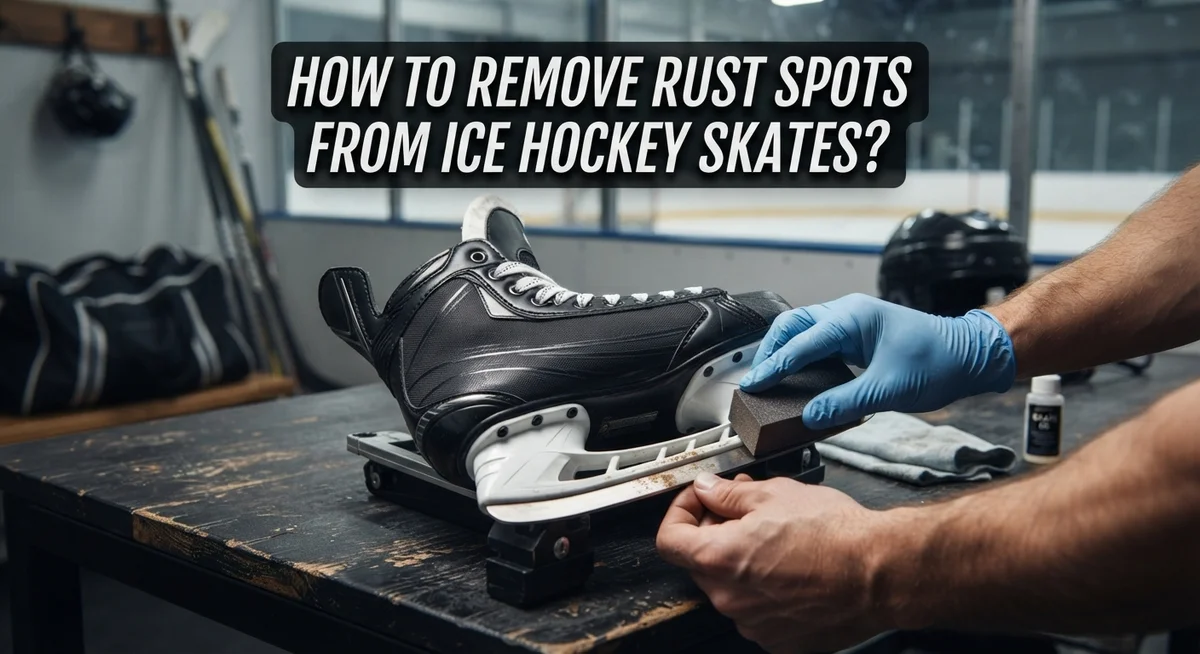
How to Remove Rust Spots From Ice Hockey Skates?
Rust spots on your ice hockey skates can feel like a nightmare. You step onto the ice, ready to play, and notice orange stains creeping across your blades. This happens to almost every skater at some point.
Moisture is the main cause of rust. Sweat, melted ice, and damp storage all invite rust to form on your blades. The good news is that you can fix this problem at home without spending a fortune.
This guide will show you simple and effective ways to remove rust from your skate blades. You will learn how to use household items like vinegar and petroleum jelly. We will also cover proper tools like sandpaper and Scotch-Brite pads for tougher rust spots.
Beyond removal, we will share practical tips to prevent rust from coming back. You will discover the best storage habits and drying techniques that keep your blades in top shape.
By the end of this article, you will know exactly how to tackle rust spots and keep your skates performing their best all season long.
In a Nutshell
Here is a quick summary to help you fix rust fast.
-
Scrape loose rust first. Use fine sandpaper to gently remove flaky rust from the blade surface.
-
Apply a rust remover. A dedicated rust removal product works well for light to moderate rust spots.
-
Treat heavy rust with petroleum jelly. Combine it with a Scotch-Brite pad and scrub the affected areas gently.
-
Try a vinegar soak for stubborn rust. Let your blades sit in vinegar for several hours, then wipe them clean.
-
Clean blade sides with WD-40 and steel wool. This combo cuts through grime and light rust on the sides only.
Never use abrasive tools on the blade edge. This can ruin the sharp part that helps you skate smoothly.
Always resharpen your blades after rust removal. Rust removal can dull the edge, so a fresh sharpening keeps performance sharp.
Finally, dry your blades right after every skate. This simple habit stops new rust before it even starts.
Why Rust Forms on Skate Blades
Rust forms on ice hockey skate blades when moisture comes into contact with the steel. Your blades are made of metal that reacts to water and humidity. This chemical reaction creates the orange or brown discoloration you see on the blade surface.
The main culprit is moisture left on your blades after skating. When you finish a game or practice, water sits on the steel if you don’t dry it immediately. Over time, this moisture breaks down the protective layer on the blade and allows rust to develop.
Storage conditions also play a big role in rust formation. Keeping your skates in a damp basement, garage, or locker room speeds up the rusting process. High humidity environments create the perfect conditions for rust to spread across the blade sides and edges.
Sweat from your feet adds another layer of moisture exposure. Sweat contains salt, which actually speeds up rust formation on metal. This means your blades face constant moisture attacks during and after use.
The blade edges are especially vulnerable to rust. These sharp areas have less protective coating than other parts of the skate. Rust on the edges can dull your blades faster and affect your skating performance on the ice.
Even small water droplets can trigger rust spots if left sitting for days. A single puddle or wet storage area can damage multiple blades at once. This is why immediate drying and proper storage matter so much.
Understanding how rust forms helps you prevent it. You now know that moisture is the enemy. By keeping your blades dry and storing them in a dry location, you stop rust before it starts. Prevention is always easier than removal.
What You’ll Need Before You Start
Gathering the right supplies makes rust removal much easier. You don’t need expensive equipment or specialized tools. Most items sit in your home already.
Start with fine sandpaper or steel wool. These materials scrape away loose rust without damaging the blade surface. Medium grit sandpaper works best for this job. Avoid anything too coarse, as it can scratch the blade.
Next, grab clean, dry cloths or rags. You’ll use these to wipe away rust particles and moisture throughout the process. Have several cloths ready since they get dirty quickly.
A soft brush helps remove dust and debris from tight spots. An old toothbrush or small cleaning brush works perfectly here.
For soaking methods, you’ll need a container large enough to hold your blades. A shallow pan or bucket does the job. Make sure it’s clean before use.
Gather vinegar if you plan to soak your blades. White vinegar is common and effective for rust removal. You’ll need enough to submerge the blades completely.
Stock up on petroleum jelly or similar lubricant. This protects metal after rust removal and prevents future oxidation. A basic lubricant from your garage works fine.
Consider having a Scotch-Brite pad or similar scrubbing pad available. These gentle abrasive pads tackle stubborn rust spots without harsh damage.
Finally, keep a dry storage area ready for your skates after treatment. Good air circulation prevents moisture buildup. A cool, dry closet or storage shelf works well.
Having these supplies prepared before you start saves time and frustration. You can work steadily without stopping to find missing items.
Step-by-Step: Removing Light Rust Spots
Light rust spots respond well to simple home treatments. You can fix most minor rust issues in under an hour with supplies you likely have already.
Start by examining your blades closely. Light rust appears as thin, reddish discoloration on the steel surface. It hasn’t eaten deeply into the metal yet, which makes removal straightforward.
Use fine sandpaper to gently scrub the affected areas. Move the sandpaper in small circular motions across the rust spots. Apply light pressure only. The goal is to remove the rust layer without damaging the blade itself. Wipe away all dust with a clean, dry cloth when finished.
For rust that won’t budge with sandpaper alone, apply a rust removal product directly to the spots. Let it sit for the time recommended on the package. These products chemically break down rust, making it easier to wipe away. Use a soft brush or cloth to gently remove the loosened rust.
Vinegar offers another effective option for light rust. Soak your blades in white vinegar for several hours. The acid in vinegar dissolves rust naturally. After soaking, scrub gently with a soft cloth and rinse thoroughly with clean water.
Once you’ve removed the rust, dry your blades immediately and completely. Moisture left behind will cause rust to return quickly. Apply a thin layer of lubricant to protect the clean steel.
Test your blade sharpness after treatment. Light rust removal rarely affects blade edges, but it’s worth checking. If your blades feel dull, you may need professional resharpening before your next skating session.
Store your skates in a dry location after cleaning. Proper storage prevents rust from forming again on your freshly cleaned blades.
Treating Heavy Rust Buildup
Heavy rust buildup requires more aggressive treatment than light surface rust. This type of corrosion has penetrated deeper into the steel and won’t respond to basic scrubbing alone.
Start by removing loose rust flakes with fine sandpaper. Work in circular motions across the affected blade areas. Don’t press too hard on the blade edges. Focus your effort on the blade sides and flat surfaces instead. This initial step removes the outer layer of loose corrosion.
For stubborn rust that remains after sanding, soak your blades in vinegar for several hours. The acidic properties break down rust buildup naturally. Place your blades in a container with enough vinegar to fully submerge them. Let them sit for at least three to four hours, though overnight soaking works even better for heavy rust.
After soaking, remove your blades and scrub them with a soft brush or cloth. The rust should come off more easily now. Rinse thoroughly with clean water to remove all vinegar residue.
Petroleum jelly combined with a scrubbing pad tackles particularly stubborn spots. Apply the jelly directly to rusted areas and use gentle circular motions with the pad. This method works well on blade sides without damaging the cutting edge.
Once you’ve removed all visible rust, dry your blades completely with a clean cloth. Don’t skip this step. Any remaining moisture will trigger new rust formation.
Your final task involves resharpening your blades. Heavy rust removal can affect blade sharpness, so professional sharpening is recommended. This ensures your skates perform properly on the ice again.
The Vinegar Soak Method Explained
Vinegar works as an effective rust remover because it contains acetic acid. This acid breaks down rust without damaging your blade’s steel. The method is simple, affordable, and uses something most people have at home.
Start by filling a container with white vinegar. Make sure the container is large enough to fully submerge your skate blades. You want the vinegar to cover all rusted areas completely.
Remove your blades from the skates if possible. This gives you better access and lets the vinegar reach every spot. Place the blades directly into the vinegar and let them soak.
Leave your blades in vinegar for at least several hours. For heavy rust, soaking overnight works even better. The longer you soak, the more the acid works on breaking down the rust buildup. You’ll see the rust gradually loosen and separate from the steel.
After soaking, remove your blades and examine them closely. Use a soft brush or cloth to gently scrub away the loosened rust. The rust should come off much more easily now than before soaking.
Rinse your blades with clean water to remove vinegar residue. Dry them immediately and thoroughly with a clean cloth. Leaving moisture on the blades can start the rust process again.
Check your blade edges carefully after treatment. If rust affected the edges, you’ll need to resharpen your blades before skating. Most vinegar soaks don’t damage edges since you’re soaking the entire blade, but resharpening ensures optimal performance.
Store your cleaned blades in a dry location. Use blade soakers to absorb any remaining moisture. This prevents new rust from forming on your freshly cleaned equipment.
Resharpening After Rust Removal
After you remove rust from your ice hockey skates, resharpening becomes essential. Rust removal methods can affect your blade edges, even when you use gentle techniques on the sides.
Why resharpening matters after rust removal depends on how much rust accumulated. Light surface rust rarely damages the sharp edge itself. Heavy rust buildup, however, can pit or dull the blade edge significantly. You’ll notice reduced grip on ice and less responsive turning if your edges need attention.
Test your blades before committing to resharpening. Run your finger carefully along the edge (away from your body) to feel for dullness. A sharp blade edge feels crisp and catches slightly on your skin. A dull edge feels smooth and slides easily.
Professional sharpening services offer the most reliable results. Technicians use specialized equipment to restore your blade edges to factory specifications. They can also check for edge damage that home methods might miss.
If you prefer handling this yourself, you’ll need proper sharpening tools. Hand sharpening requires steady hands and knowledge of correct blade angles. Many people find this method challenging without prior experience.
Timing matters too. Resharpen your blades soon after rust removal, not weeks later. Fresh rust can form again on unprotected edges if you wait too long.
After resharpening, protect your blades immediately. Apply a thin coat of oil or protective product to the edges. Store your skates in a dry location with blade guards in place.
Regular maintenance prevents future rust problems. Dry your blades completely after every skating session. This simple habit keeps your edges sharp and rust free for seasons to come.
Preventing Rust From Coming Back
Preventing rust from coming back requires consistent effort after you’ve cleaned your blades. The key is understanding what causes rust in the first place: moisture exposure.
Dry your blades immediately after every skating session. Use a clean, dry cloth to wipe down both sides of your blades right when you finish skating. Don’t wait until you get home. This simple step removes water droplets before they can cause oxidation.
Invest in moisture absorbing soakers that fit inside your skate boots. These products pull moisture away from the blade area during storage. Replace them regularly so they stay effective. You can also place your skates in a well ventilated area instead of a closed bag.
Store your skates in a dry location. Basements, garages with humidity, or damp closets are poor choices. Pick a spot with good air circulation and low moisture levels. Keep your skates away from bathrooms or laundry rooms.
Apply a protective coating to your blades after cleaning. A thin layer of petroleum jelly or similar protective product creates a barrier against moisture. Wipe it off before your next skating session.
Check your blades weekly during the off season. Even in storage, rust can develop if conditions aren’t right. A quick visual inspection catches problems early.
Handle your blades with care to avoid nicks that expose fresh metal underneath. Small scratches become rust entry points. When transporting skates, use protective blade guards.
Regular maintenance beats fighting rust later. Spend five minutes after each session drying your blades. This habit prevents the heavy rust buildup that requires aggressive removal methods. Your skates will perform better and last longer when you stay on top of moisture control.
Common Mistakes to Avoid
Many people damage their skate blades while trying to remove rust. Understanding what NOT to do protects your equipment and saves you money.
The biggest mistake is using abrasive methods on blade edges. Your blade edges need to stay sharp and smooth. Scrubbing or sanding the edge itself ruins the blade’s performance. Instead, focus abrasive work only on the blade sides and flat surfaces. Save the edges for professional sharpening later.
Leaving moisture on your blades after skating causes rust to form faster. You must dry them immediately with a cloth. Many skaters skip this step and wonder why rust keeps returning. Moisture is rust’s best friend. Wipe your blades dry every single time you skate.
Storing skates in damp places guarantees rust problems. Basements, garages, and humid closets create perfect conditions for rust growth. Your skates need a dry storage spot. Even a closet in a heated room works better than a damp garage.
Never use harsh chemicals without proper ventilation. Some rust removers produce strong fumes. Work in open air or well ventilated spaces. Protect your hands and eyes during the process.
Avoid soaking your entire skate boot in vinegar or other liquids. Only the metal blades should soak. Water inside the boot damages padding and causes odor problems.
Don’t skip resharpening after rust removal. Rust pits the blade surface and affects how it glides on ice. Your skates won’t perform well until you sharpen them properly.
Finally, don’t ignore small rust spots. Early removal prevents heavy rust buildup. Check your blades weekly during storage periods. Catching rust early makes removal much easier and faster.
Final Thoughts
Rust spots on ice hockey skates look scary, but they don’t have to ruin your gear. With patience and the right approach, you can bring your blades back to life.
Sandpaper, rust removers, petroleum jelly, and vinegar all work well depending on how bad the rust is. Light surface rust often responds to a quick wipe with a rust removing product. Heavier rust needs more effort, like a vinegar soak or a Scotch-Brite pad.
The key is catching rust early. Small spots are easy to treat and rarely affect performance. Ignored rust spreads and eats into the metal, making removal harder each time you wait.
Your blades are the most important part of your skates. They connect you to the ice and control every stride, stop, and turn. Taking care of them means taking care of your game.
Moisture is the real enemy here. Every method in this guide works to fight rust, but none of them matter if you skip drying your blades after each use. Make that habit part of your routine.
Think of rust removal as regular maintenance, not an emergency task. Check your blades often. Treat spots as soon as you see them. This simple habit saves you time and money later.
Home remedies work great for most rust problems hockey players face. You don’t need fancy tools or expensive services every time. A bit of vinegar, some sandpaper, and consistent care go a long way.
Your skates deserve attention after every game. Give them a few minutes of care, and they will reward you with smooth, reliable performance all season long.
Frequently Asked Questions
Can I remove rust from my ice hockey skate blades at home?
Yes, you can remove rust at home using simple methods. Sandpaper works well for light rust spots. For heavier rust, vinegar soaks are effective. You can also use petroleum jelly with a scrubbing pad. Most hockey players handle rust removal themselves without professional help.
How long should I soak my blades in vinegar?
Plan for several hours minimum. Many people soak their blades overnight for best results. The longer your blades sit in vinegar, the easier the rust becomes to remove. After soaking, wipe the blades clean with a cloth and dry them completely.
Will rust affect how my skates perform on the ice?
Yes, rust can impact blade performance. Rusty blades feel rough and don’t glide smoothly. Your edges may feel dull or catch unexpectedly. After you remove the rust, you must resharpen your blades to restore proper performance. This step is not optional if you want your skates to work correctly.
What’s the fastest way to remove rust spots?
For quick removal, use fine sandpaper on the affected area. This works best for small, light rust spots. Scrape gently on the blade sides, never on the edges. If rust is heavy or stubborn, petroleum jelly plus a scrubbing pad takes longer but works better. WD-40 combined with steel wool also removes rust effectively.
Why do my blades keep getting rusty?
Moisture causes rust to form. You leave moisture on your blades when you skip drying them after skating. Damp storage areas make rust worse. Always wipe your blades dry immediately after each session. Store your skates in a dry location away from humidity.

Virat is the founder and lead writer at ActivePlayFinds.com, where he shares honest, in-depth reviews, comparisons, and buying guides to help athletes and sports enthusiasts find the perfect gear. With a deep passion for sports and hands-on experience testing a wide range of products, he is committed to helping readers make smart, confident buying decisions.


