
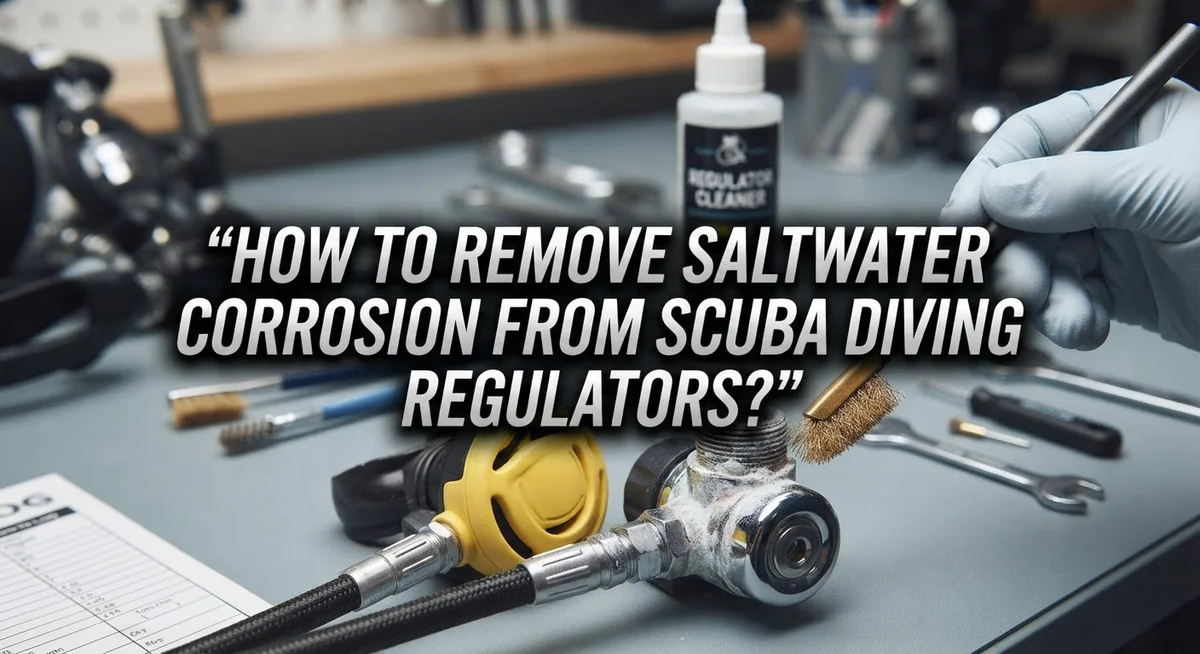
How to Remove Saltwater Corrosion From Scuba Diving Regulators?
Salt water is tough on scuba gear. Your regulator works hard underwater. But after the dive, salt crystals can quietly attack its metal parts.
Corrosion often starts small. You might see a white crust near the first stage or second stage. Left alone, this buildup can affect airflow and safety.
The good news? You can stop corrosion before it causes real damage. Simple habits make a huge difference.
This guide walks you through the entire process. We will show you how to rinse your regulator the right way after every dive. You will learn why timing matters so much.
We also cover a simple vinegar solution that helps dissolve stubborn salt deposits. You will discover common mistakes divers make, like letting water reach the first stage.
By the end, you will know exactly how to clean, dry, and store your regulator properly. Your gear will last longer and perform better.
Let’s get your regulator back to breathing easy.
In a Nutshell
Here’s a quick rundown to keep your regulator safe from saltwater damage.
-
Rinse right after every dive. Fresh water washes away salt before it settles in. Skipping this step lets corrosion build up fast.
-
Press the purge button a few times while rinsing. This pushes out hidden salt and debris from tiny openings.
-
Mix a 50/50 vinegar and water solution to break down tough corrosion spots. Soak only for a short time to protect the chrome finish.
-
Never let water reach the first stage. This part is sensitive and expensive to fix if it gets damaged.
-
Dry your regulator with a towel after cleaning. Then blow out the dust cap gently using compressed air.
-
Avoid pressurizing the first stage during cleanup. This can force water deeper into the mechanism.
-
Get professional servicing if water sneaks into the first stage. This protects your gear from long term harm.
Small habits like these keep your regulator working smoothly for years. A little care after each dive goes a long way.
Why Saltwater Corrosion Damages Your Regulator
Saltwater corrodes metal through a chemical reaction. Salt particles stick to your regulator’s surfaces and attract moisture. This combination creates an environment where rust and oxidation spread quickly.
Your regulator has many small metal parts that work together. The first stage connects to your tank and handles high pressure. The second stage delivers air to your mouth. Both contain springs, seats, and valves made from materials that react badly to salt exposure.
Corrosion weakens these parts over time. Springs lose their strength. Valve seats crack or wear unevenly. Seals become brittle and leak air. Your regulator stops breathing smoothly or fails completely during a dive.
The damage often starts invisibly. You might not notice anything wrong at first. Salt deposits hide inside small passages where you cannot see them. They block air flow and cause performance problems gradually.
Water intrusion into the first stage causes the most serious damage. If saltwater reaches internal chambers, it corrodes delicate components instantly. Professional repair becomes necessary, and costs add up fast.
Prevention beats repair every single time. Immediate fresh water rinsing after each dive stops corrosion before it starts. The longer salt stays on your regulator, the deeper it penetrates metal surfaces. Even a few hours of delay allows salt to bond chemically with the metal.
Neglecting post-dive care turns small problems into expensive failures. A regulator that breathes poorly underwater puts you at risk. You might not get enough air when you need it most. Proper maintenance keeps your gear safe and reliable for every dive ahead.
Tools and Supplies You’ll Need
You need a few basic items to clean your regulator properly. Gather these before you start working on your gear.
Fresh water is your first essential tool. Use distilled water or tap water from a clean source. Regular tap water works fine for rinsing away salt deposits. You want enough water to fully submerge your second stage if needed.
A soft brush helps remove stubborn salt buildup. Use one with gentle bristles to avoid scratching delicate surfaces. An old toothbrush works well for reaching tight spots around the mouthpiece and valve areas.
You’ll need white vinegar for dissolving corrosion. Mix it 50/50 with fresh water in a clean container. This solution breaks down salt deposits that fresh water alone cannot remove.
Clean towels are important for drying your regulator after rinsing. Use lint free cloths to prevent fibers from getting stuck in small openings. Pat your gear dry gently rather than rubbing hard.
A compressed air source helps expel water from tight spaces. You can use a manual hand pump or access compressed air at a dive shop. Gently blow out the dust cap and any crevices where water might hide.
Protective gloves keep your hands safe during cleaning. Vinegar can irritate skin, especially if you have cuts or scrapes. Cotton or latex gloves work equally well.
A clean container large enough to soak your second stage is essential. Use a bowl or bucket that you don’t use for food. Make sure it’s free from dirt and debris before starting.
Keep these supplies together in one spot. Having everything ready makes your cleaning process faster and more effective.
Step-by-Step: Cleaning Corrosion From Your Regulator
Start by rinsing your regulator under fresh water immediately after surfacing. Hold it under a gentle stream and let water flow over all exterior surfaces. This first step removes loose salt crystals before they bond to metal.
Next, press the purge button repeatedly while rinsing. This action forces water through internal passages and expels salt deposits trapped inside. You’ll see water spray out, which means salt is leaving the regulator. Continue for 30 seconds or until clear water flows from the purge button.
For stubborn corrosion spots, prepare a cleaning solution by mixing equal parts white vinegar and fresh water in a clean container. Submerge only your second stage (the mouthpiece part) in this solution. Keep the first stage completely dry and above the liquid line. The vinegar dissolves white crusty deposits and green corrosion without damaging internal seals.
Soak for 15 to 20 minutes maximum. Extended soaking strips protective chrome plating and harms sensitive components. Set a timer to avoid leaving your regulator sitting too long.
After soaking, rinse thoroughly under fresh water again. Use your soft brush to gently scrub away loosened corrosion. Pat everything dry with a clean towel, paying special attention to crevices where water hides.
Finally, use compressed air to blow out moisture from the second stage opening and around the purge button. This removes water that towels can’t reach. Hold the regulator upright during this step so water drips downward and away from internal parts.
Your regulator is now clean and ready to dry completely before storage.
Using a Vinegar Soak Safely and Effectively
A vinegar soak works well for removing saltwater corrosion from your second stage. The acidic solution dissolves salt deposits and light rust without harming the rubber and metal components.
Mix your solution carefully. Combine equal parts white vinegar and fresh water in a clean container. This 50/50 ratio is strong enough to cut through corrosion but gentle enough to avoid stripping protective coatings. Stir the mixture well before use.
Time your soak properly. Submerge only the second stage, keeping the first stage completely dry and above the liquid line. Soak for 15 to 20 minutes maximum. Extended soaking strips chrome plating and can damage internal seals, so set a timer to stay on track.
Handle the regulator gently. Use a soft brush to scrub away visible corrosion while soaking. Apply light pressure and work in circular motions around the purge button and mouthpiece. Avoid forcing the brush into small crevices where it might cause damage.
Rinse immediately after soaking. Run fresh water over the entire second stage for at least one minute. Pay special attention to crevices where vinegar residue hides. Incomplete rinsing leaves acidic solution behind, which continues corroding metal.
Dry thoroughly before storage. Use compressed air to blow moisture from the purge button opening and around seals. Wipe the exterior with a clean towel. Allow the regulator to air dry completely in a cool, dry location before storing it away.
This simple process removes corrosion safely when done correctly and prevents damage from developing further.
Drying and Reassembling After Cleaning
After you finish cleaning and rinsing your regulator, proper drying is essential. Water left inside can cause rust and damage internal components. Use compressed air to blow moisture from all openings. Focus on the purge button area and around the second stage connection points.
Start by holding your regulator with the second stage opening facing downward. This allows gravity to help water drain out. Press the purge button several times while blowing compressed air into the opening. The combination removes trapped water effectively.
Pay special attention to the first stage. Never pressurize the first stage during this process. Keep it completely dry and point it downward as you work. Blow air gently around the connection where it attaches to your tank.
Use a clean, soft cloth to wipe down all exterior surfaces. Pat dry any visible moisture on the hoses and metal parts. Leave your regulator in a well ventilated area to air dry completely. This usually takes several hours.
Before reassembling or storing, inspect everything carefully. Look for any remaining moisture or salt residue. If you spot anything, repeat the drying process.
Store your regulator in a cool, dry place away from direct sunlight. Keep the dust cap on the first stage opening. This prevents dust and debris from entering during storage.
Proper drying and storage extend your regulator’s lifespan significantly. Moisture and salt are the main enemies of regulator function. By following these steps after every dive, you prevent corrosion before it starts. Your equipment stays reliable and safe for your next underwater adventure.
Common Mistakes That Worsen Corrosion Damage
Divers often make mistakes that cause their regulators to suffer more damage than the initial saltwater exposure. Understanding these errors helps you protect your equipment.
The biggest mistake is allowing water into the first stage. Many divers think a little moisture won’t hurt, but water inside the first stage causes internal corrosion that spreads quickly. Once water enters here, professional service becomes necessary. You cannot fix this damage yourself at home.
Another common error is over-soaking your regulator in vinegar solution. Divers sometimes leave their second stage submerged for hours, thinking longer soaking means better cleaning. This backfires badly. Extended soaking strips away the protective chrome coating and damages internal seals. Stick to 15 to 20 minutes maximum.
Neglecting immediate post-dive rinsing is equally harmful. Some divers wait hours or even days before rinsing their equipment. Salt crystals harden and bond to metal surfaces during this time, making removal much harder. Rinse your regulator right after surfacing, while salt is still wet and loose.
Back-pressurizing underwater is another serious mistake. Some divers press the purge button repeatedly while still in the water, thinking this clears out more salt. This actually forces saltwater deeper into the mechanism and causes internal damage.
Skipping the compressed air drying step also causes problems. Moisture trapped inside the regulator promotes rust and corrosion growth. You must blow out all water from the second stage opening and around the purge button.
Finally, storing a wet regulator in a damp place invites corrosion. Always dry your regulator completely and store it in a cool, dry location with the dust cap secured on the first stage. These simple habits prevent costly damage.
Troubleshooting Signs of Deeper Water Intrusion
Water intrusion into your first stage represents a serious problem that demands immediate attention. Unlike surface corrosion on your second stage, water inside the first stage can damage internal valves and seals permanently.
Signs of deeper water intrusion include hissing sounds when you attach your regulator to the tank, difficulty breathing during inhalation, or visible moisture inside the first stage housing. You might also notice air bubbles escaping from unusual locations or a sudden loss of air pressure.
If you suspect water has entered the first stage, stop using your regulator immediately. Continuing to dive with a compromised first stage risks equipment failure underwater and puts your safety at serious risk.
The first stage contains high pressure components that require specialized knowledge to service safely. Attempting to disassemble or clean these internal parts yourself can cause additional damage or create dangerous pressure issues.
Contact a certified regulator technician as soon as possible. Professional service involves opening the first stage in a controlled environment, inspecting all internal seals and springs, replacing damaged components, and pressure testing the equipment before returning it to you.
While waiting for professional service, store your regulator in a dry location. Keep the dust cap firmly attached to prevent additional moisture entry.
Prevention remains your best defense against water intrusion. Always rinse your entire regulator in fresh water immediately after every dive. Pay special attention to the first stage connection point where your regulator attaches to the tank valve. This area accumulates salt and debris that can eventually compromise seals.
Professional maintenance also helps catch problems early. Have your regulator serviced annually by a qualified technician, even if it appears to be working normally. This preventive approach keeps your equipment reliable and extends its working life significantly.
Building a Post-Dive Maintenance Routine
Creating a post-dive maintenance routine keeps your regulator working safely and extends its life. Start this routine immediately after every dive, before salt dries on the equipment.
Your first step is rinsing with fresh water. Hold your regulator under running water and let it flow over all surfaces. Pay special attention to the second stage mouthpiece and any visible crevices where salt collects.
Next, operate the purge button repeatedly. Press it several times while rinsing to force out salt and debris trapped inside. This action helps clear internal passages that corrosion targets first.
For light corrosion, use a 50/50 white vinegar and water solution. Soak your regulator for only a short time, never longer than necessary. Extended soaking can strip protective chrome coating, causing more damage than salt itself.
After vinegar treatment, rinse thoroughly with fresh water again. Remove all vinegar residue completely. This step prevents the acid from continuing to work on metal surfaces.
Pat your regulator dry with a soft cloth. Wipe down the first stage carefully, then the second stage. Make sure no moisture remains on external parts.
Store your regulator in a cool, dry location away from sunlight. Keep the dust cap firmly on the first stage opening. This prevents dust and moisture from entering while stored.
Perform this routine after every saltwater dive without exception. Consistency matters more than occasional deep cleaning. Regular maintenance prevents expensive damage and keeps your equipment reliable. Set a reminder on your phone if needed to ensure you never skip this critical step after returning from the water.
Final Thoughts
Saltwater corrosion is a real threat to your scuba regulator. But it does not have to shorten its life.
Simple habits make the biggest difference. Rinse your regulator right after every dive. This one step prevents most corrosion problems.
Your regulator is a precision instrument. It deserves care and attention after each use in saltwater.
Think of maintenance as protection for your investment. A few minutes of cleaning saves you costly repairs later. It also keeps you safer underwater.
Consistency matters more than perfection. You do not need advanced skills to protect your gear. You just need a reliable routine you follow every time.
Watch for warning signs during your dives. Unusual sounds or breathing resistance mean something needs attention. Do not ignore these signals.
When in doubt, ask a professional. Water intrusion into the first stage is not something to fix yourself. Trained technicians have the right tools and knowledge.
Your regulator supports your life underwater. Treating it well is not optional. It is part of being a responsible diver.
Make rinsing and drying automatic steps. Treat them like putting away your mask or fins. Soon this care becomes second nature.
Corrosion prevention is mostly about timing. Act quickly after each dive. Do not let salt residue sit and cause damage.
Your gear will thank you with reliable performance. Divers who follow these steps enjoy longer equipment life. They also spend less money on repairs.
Good habits protect good equipment. Start your routine today. Your regulator will serve you well for many dives to come.
Frequently Asked Questions
How long should I soak my regulator in vinegar solution?
Keep soaking time brief. Extended vinegar exposure strips away the chrome plating on your regulator. A 15 to 30 minute soak works well for light corrosion. Check your regulator every 10 minutes to monitor progress. Once the salt residue loosens, remove it immediately and rinse with fresh water.
Can I use regular household vinegar for corrosion removal?
Yes, white vinegar works effectively for this task. Mix it 50/50 with fresh water before using it. The acidity cuts through salt deposits without damaging metal components. Avoid vinegar solutions that are too strong, as they can harm your regulator’s finish.
What happens if water enters the first stage of my regulator?
This is a serious problem requiring professional help. Water in the first stage can damage internal seals and high pressure components. You’ll notice hissing sounds or breathing difficulties when you attach the regulator to your tank. Stop using your regulator immediately and contact a certified technician. Never try to service the first stage yourself.
Why is immediate rinsing after a dive so important?
Salt dries and hardens quickly on metal surfaces. Once it hardens, removing it becomes much more difficult. Fresh water rinsing within minutes of exiting the water prevents permanent corrosion damage. This single habit stops most saltwater damage before it starts. Make rinsing your first action after every dive.
Should I pressurize my regulator while cleaning it?
No, avoid pressurizing the first stage during any cleaning process. Compressed air or water pressure during maintenance can force contaminants deeper into the mechanism. Clean only when the regulator is unpressurized and the dust cap is secure.

Virat is the founder and lead writer at ActivePlayFinds.com, where he shares honest, in-depth reviews, comparisons, and buying guides to help athletes and sports enthusiasts find the perfect gear. With a deep passion for sports and hands-on experience testing a wide range of products, he is committed to helping readers make smart, confident buying decisions.


