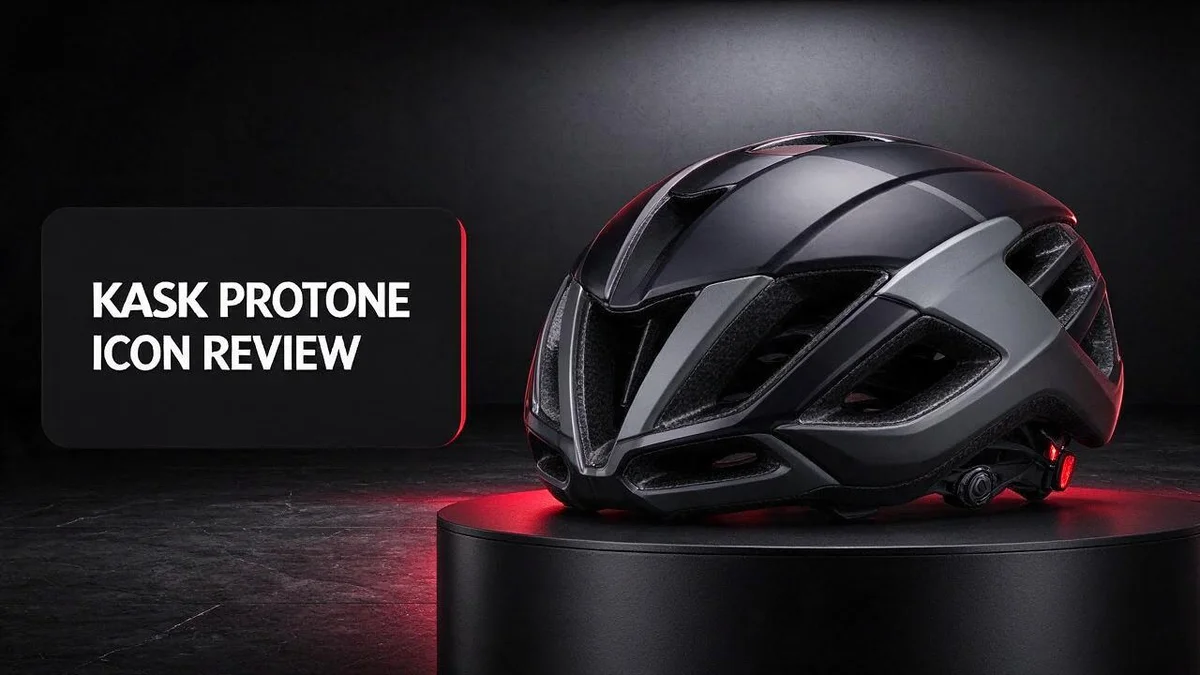
Kask Protone Icon Review: Weight, Ventilation, Fit and Safety Explained
Looking for a helmet that keeps you cool on long rides? The Kask Protone Icon could be your next pick. Many riders want gear that feels light and comfortable all day.
This helmet weighs 215 g, according to the manufacturer. It offers good airflow, soft padding, and a secure fit.
Kask also claims it is more aerodynamic than its predecessor. It works in every season, which makes it a versatile choice.
In this review, we cover the key features, the pros and cons, and how it stacks up against other popular helmets. Keep reading to find out if the Protone Icon fits your riding style.
In a Nutshell
-
Cool ride feel: Air moves through the vents and carries heat away from your head. This helps most on long climbs when the sun feels intense.
-
Soft, dry padding: The 3D dry padding helps keep the inside feeling dry. Your head feels supported without sharp pressure points.
-
Quick fit tuning: The Octofit+ dial lets you tighten the helmet with one smooth turn. The vertical stabilizer also moves up or down, so you can find a snug spot for your head shape.
-
Extra crash protection: An internal strengthening frame adds structure inside the shell. The Kask Rotational Impact system adds another layer of protection during angled impacts.
-
All season use: You can wear this helmet on hot summer days and on cooler spring or autumn rides. The ventilation handles warm weather, and the shell suits mixed conditions.
-
Strap note: Some riders say the chinstrap cannot be adjusted. The eco leather strap feels soft, so test the fit before you head out.
Build and Weight

- AERO-CONTROL: The Protone Icon helmet is an incredibly aerodynamic road cycling helmet designed with speed, safety...
- ADVANCED SAFETY & PROTECTION: Redesigned internal frame and vertical stabilizer across the nape of the neck provide...
Last update on 2026-11-25 / Affiliate links / Images from Amazon Product Advertising API
The build of the Kask Protone Icon is a big reason riders talk about it. Many helmets start to feel heavy after an hour in the saddle. This one aims to stay light from the first climb to the final descent.
Weight is only one part of the picture. The way a helmet sits on your head matters just as much. A light helmet can still cause discomfort if it shifts or pulls at the neck.
Balance deserves a closer look. A helmet that sits too far forward or back can tire your neck over long rides. Try the helmet on and lean forward into a riding position. Notice whether the weight feels centred or pulled to one side.
Fit plays a key role here. Stand in front of a mirror and shake your head gently. The helmet should move with you without wobbling. A snug fit makes a light helmet feel even lighter, so take a few minutes to adjust it before you ride.
Inspect the outer shell and the finish. The surface should look smooth, with no loose parts or rough edges. Run your fingers along the edges and vents to check for sharp spots. A clean finish often shows that the helmet was assembled with care.
Keep in mind that sizes can vary. A medium in one brand may feel different from a medium in another. Measure your head before you shop, and compare the fit on the same day if possible.
Overall, the build suits riders who log long miles. Climbs, training rides, and fast group outings all benefit from a helmet that feels light. Try the Protone Icon on in person to see if its build suits your head shape and riding style.
Ventilation and Aerodynamics
Airflow matters most when the road heats up. The Kask Protone Icon sends wind across your head in a steady stream. Many riders feel this flow most on long climbs, when speed drops and heat builds fast.
Kask states that this model has the lowest drag among ventilated helmets. Drag affects how hard you work at speed. Less drag means you save energy for the final kilometers.
Reviewers also describe the helmet as aerodynamic. Their feedback suggests the shape stays smooth when wind hits from the front. Still, your own route will give the clearest answer.
Fast heat release is another key claim. A helmet that clears heat quickly can keep your focus sharp during hot afternoons. Many riders say their head feels clearer after an hour in the saddle.
Good airflow also helps sweat dry faster. When sweat evaporates, your head feels more comfortable. This benefit matters most on humid days when the air feels heavy and still.
Vent placement also matters for comfort on steep climbs. Air that reaches the crown and front of the head can reduce that hot, heavy feeling. Fresh air keeps the ride more pleasant from start to finish.
Test the ventilation in different conditions. Ride on a windy day, then on a calm day. Notice how the air moves across your forehead, sides, and back of the head.
Pay attention to noise as well. Wind noise can change with helmet position and head shape. A short test ride before a big event shows whether the sound bothers you.
Pace also changes the experience. At higher speeds, the aerodynamic shape matters more than at slow speeds. Riders who push hard on flat roads may notice the difference first, especially in a group.
Overall, the ventilation and aero design suit riders who value cool air and smooth speed. The manufacturer claims sound strong, and reviewer feedback supports the ride feel. Your own test should confirm the results.
Fit, Padding and Adjustment
The fit of a helmet shapes how it feels from the first mile to the last. The Kask Protone Icon gives you several ways to dial in your comfort. Take time to check each one before you ride.
Start with the vertical stabilizer. This part sits at the back of the helmet and moves up or down. Raise or lower it to match the shape of your head. This small change can improve how the helmet sits on your skull.
Many riders find this feature useful with a ponytail or long hair. Adjusting the stabilizer helps the shell sit level instead of tilting forward. Make small changes, then ride a short loop to see how it feels.
Check the eco leather chinstrap. The strap has a soft finish that rests gently under your chin. Make sure it lies flat and does not pinch your skin. Keep it loose enough to swallow easily. A strap that rubs can turn a short ride into a painful one.
Padding also deserves a careful look. Thick pads may feel cozy at first, yet they can press into your temples after an hour. Try the helmet with your usual sunglasses or cycling cap on, since both can change the fit.
Use a simple test at home. Put the helmet on and fasten the strap. Shake your head gently from side to side. If the helmet shifts or slides, it may need a different size or a closer fit. Tighten the dial only until the helmet feels secure.
Pay attention to pressure points too. Good padding spreads weight evenly across your head. Stand in front of a mirror and look for gaps at the forehead or the back of the skull. A snug feel without tight spots works best.
Finally, wear the helmet for at least twenty minutes before you decide. Many fit issues only appear after your head warms up and sweat starts to build. Riders who take these steps usually find a comfortable setup quickly.
Top 3 Alternatives
Looking for another road helmet? These three options offer strong protection, good airflow, and a comfortable fit. Each one suits a different kind of rider.
Giro Aether MIPS

- MIPS Spherical, a reimagined version of the MIPS system
- 6-piece shell
Last update on 2026-11-25 / Affiliate links / Images from Amazon Product Advertising API
The Giro Aether MIPS is a sleek road helmet built for speed. Its streamlined shape helps cut drag on fast group rides.
The MIPS liner adds an extra layer of protection against angled impacts. Riders who want a clean look and a secure feel will like this option.
Specialized S-Works Prevail

- MIPS Protection and CPSC Bicycle Helmet: Integrated MIPS technology is designed to help reduce certain rotational...
- Integrated Rear Light: The included rear light supports rider visibility during commutes, evening rides, and...
Last update on 2026-11-25 / Affiliate links / Images from Amazon Product Advertising API
The S-Works Prevail brings race level design to every ride. Its aero profile keeps you moving smoothly on flats and descents.
Riders chasing performance will appreciate its focused fit. Vents move air across your head during hard efforts, so comfort stays high even on long days in the saddle.
Bell Super Air R

- FUSION IN-MOLDING POLYCARBONATE SHELL AND PROGRESSIVE LAYERING - A process pioneered by Bell bonds the helmet's...
- FLEX SPHERICAL + MIPS - Comprehensive energy management. Flex spherical enhances our ability to address high-speed...

Last update on 2026-11-25 / Affiliate links / Images from Amazon Product Advertising API
The Bell Super Air R focuses on airflow and a light feel. Its many vents help keep sweat under control during hot summer rides.
It feels airy and easy to wear all day. Adjustable fit tools help you find a secure position on your head. This helmet works well for riders who train in warm conditions.
Pick the helmet that matches your riding style. Try a few on before you buy, so you get the right fit and the best ride.
Safety Systems
Safety should come first on every ride. The Kask Protone Icon includes several features that aim to protect your head. Here is how the main systems work.
The Kask Rotational Impact system stands out most. Crashes rarely hit the head straight on. Angled impacts can twist the head, and that twisting can harm the brain.
Kask designed this system to reduce rotational forces during these angled falls. It focuses on the forces that straight-on padding alone may not handle.
The internal strengthening frame adds another layer of support. It sits inside the helmet and helps the structure hold its shape. A stronger frame can help the shell perform as intended when pressure hits. Kask presents this frame as part of its overall safety design.
Protection depends on how the helmet sits. A loose helmet can shift during a fall. When it moves, it may not cover the areas it should. Take a moment before each ride to check that the helmet stays in place when you shake your head gently.
Look for a certification label inside the helmet. Each label shows which safety standard the helmet meets. Standards differ by region, so check the label for the test standard that applies where you ride. Labels show that the helmet passed official tests.
Replace your helmet after a serious crash. Even a strong shell can suffer damage that you cannot see. Foam inside the helmet can compress after a hard hit. Many manufacturers advise replacing the helmet after any major impact, so follow that guidance.
Riders who spend time in traffic or on fast descents benefit most from these features. Speed raises the risk of a serious fall. Pick a helmet that matches your riding style and check its safety details before you buy. Also, keep the helmet clean and store it in a cool, dry place.
Seasonal Use and Versatility
The Kask Protone Icon suits a full year of riding. Reviewers say it works in every season. That makes it a practical choice for riders who want one helmet for many months.
Cool mornings need a little planning. Spring rides often start chilly. A thin cap under the helmet keeps your head warm. Check the fit again with the cap in place so the helmet still feels comfortable.
Wet weather asks for extra care. Rain makes roads slippery and slows your reactions. Keep your speed steady and leave more space between you and other vehicles. A helmet that feels settled on your head lets you focus on the road.
Dark mornings and evenings need extra visibility. Pair the helmet with front and rear lights. Bright clothing also helps other road users spot you. The helmet works best as one part of a complete setup.
Summer rides call for smart timing. Hot afternoons can drain your energy quickly. Plan longer rides for early morning or late evening. Carry water and take short breaks in the shade.
Mild winter days often suit this helmet well. Thin gloves and a light jacket work with it. Thick layers may feel tight, so try them on before a long ride. Many riders find that a little testing saves frustration later.
Plan each ride around the weather. Check the forecast before you leave home. Pack a light layer in case the temperature drops during the ride. Good preparation helps you enjoy every season on the bike.
Pros and Cons
Pros
- Light feel at 215 g, according to the manufacturer.
- Good airflow helps keep your head cool on climbs.
- Reviewers describe it as aerodynamic on the road.
- Comfortable padding makes longer rides more pleasant.
- Usable in every season when you dress for the weather.
Cons
- The strap cannot be adjusted for a custom feel.
- Fit can vary, so try it on before you ride.
- Some riders may prefer a helmet with more fit options.
Who Should Buy It
Start with your riding style. Your habits show whether this helmet fits your plans. Some riders gain more from its design than others.
Daily commuters often like a helmet they can wear all day. They ride to work, stop for errands, and head home without swapping gear.
Weekend group riders also make a strong match. Club rides mix fast flats with steady climbs. A helmet that stays cool and steady keeps your attention on the group and the road ahead.
Touring riders who spend long days in the saddle may appreciate the comfortable fit. A helmet that stays out of the way helps your neck feel fresh by the final kilometer.
Eco minded buyers may also like the materials. The eco leather chinstrap appeals to riders who want fewer conventional materials in their gear. You get a comfortable finish without giving up daily function.
New riders can find this model helpful too. A comfortable helmet builds confidence early on. You can focus on handling and braking instead of constantly adjusting your gear.
Riders who dislike owning several helmets often appreciate this simplicity. One model can handle many different outings, so your gear closet stays tidy.
Some riders should look elsewhere. If you enjoy lots of fine tuning, the limited adjustments may feel restrictive. Head shape matters too. One forum user found the Specialized Align II MIPS too large and the Sweet Protection Fluxer too narrow, so every rider needs a personal fit check.
Casual riders who cycle a few times a month may not need every feature. Match the helmet to how often you ride and how far you travel.
Ask yourself one simple question. Do you ride often enough to notice small comfort gains? If the answer is yes, this helmet deserves a close look.
Final Verdict
Here is the bottom line. The Kask Protone Icon earns a strong place on your shortlist.
It feels light, breathes well, and sits comfortably on most heads.
Many riders forget they are wearing it after the first few kilometers. That is a sign of thoughtful design.
The internal strengthening frame and rotational system add quiet peace of mind. You may never need them, but they matter.
Fit remains the most important step. Every head shape differs, so try several sizes before you decide.
Focus on the area above your brow and around the back of your head. A snug feel without pressure points is the goal.
A good fitting session takes less than ten minutes, yet it saves hours of regret later. Turn your head side to side and look for any pinching.
Your first fitting sets the tone for every ride ahead.
Shoppers often compare this model with the Specialized Align II MIPS and the Sweet Protection Fluxer. One forum user found the Align too large and the Fluxer too narrow.
Those mixed experiences prove one thing. Head shape matters more than any brand name.
Newer models often bring small upgrades, so check the release year before you buy. Compare fit notes from several reviewers, not just one.
Look after the shell by storing it away from heat and direct sunlight. Heat can weaken materials over time, so a shaded hook or bag works well.
The main pros are clear. Low weight, good airflow, and comfortable padding stand out most.
Every helmet has trade offs, and this one asks for careful sizing.
Our final take is simple. If you want a light, breathable lid for everyday riding, this helmet deserves a test ride.
Try it on, check the fit, and decide with confidence.
Frequently Asked Questions
What makes this model different from the older Kask version?
According to Kask, the Protone Icon offers more aero performance than its predecessor. The brand also says it ventilates better, weighs less, and feels more comfortable. It claims extra safety too. Test these claims during your own rides to see if they match.
How does the Octofit+ dial work?
The Octofit+ dial lets you adjust the fit around your head. A vertical stabilizer moves up or down as well. This setup helps you position the helmet at the right height for your head shape. Use both controls together during your fitting session for the most secure result.
What is the Kask Rotational Impact system?
Kask includes this system to help manage rotational forces during certain impacts. It works as a safety feature inside the helmet. Check the official Kask materials for the full technical details before you make a decision.
Are the manufacturer claims accurate?
Most of the performance claims come directly from Kask. Some reviewers agree with them, especially on airflow and how light the helmet feels. Other claims, like the lowest drag figure, have less independent backup. Treat the brand’s statements as a starting point, not a final verdict.

Virat is the founder and lead writer at ActivePlayFinds.com, where he shares honest, in-depth reviews, comparisons, and buying guides to help athletes and sports enthusiasts find the perfect gear. With a deep passion for sports and hands-on experience testing a wide range of products, he is committed to helping readers make smart, confident buying decisions.