Shimano SPD-SL Cleats Review: Wide Three-Bolt Road Cycling Cleats Explained
Looking for a clip in pedal system that feels solid under your feet? Shimano SPD SL cleats might be the answer. They use a wide road style platform with three bolts.
Many riders trust this design for strong power transfer. The wide base spreads force across your shoe. Some also say these cleats last longer than many rivals.
But do they suit every rider? In this review, we explore the real strengths, the common complaints, and how these cleats compare with Look Keo, Speedplay, and SPD.
Keep reading to find the best fit for your riding style, your comfort, and your goals.
In a Nutshell
- Wide platform: The SPD SL uses a wide three bolt platform that road cyclists often prefer. This design matches the Look Keo, so riders can compare them directly.
- Longer lasting: Comparisons suggest these cleats last longer and walk better than Look Keo cleats. Easy walking matters when you stop at cafes or cross parking lots.
- Extra security: Some riders feel these cleats hold more securely than SPD cleats. Beginners may not notice much difference, so test them on short rides first.
- Easier exits: SPD cleats clip in and out more easily because of their smaller, double sided design. Riders who value quick unclipping may lean that way.
- Wear watch: One rider reported fast wear on the right side cleat. Check both cleats often so you can replace them early.
- Top rivals: Speedplay, Look Keo, and SPD are the main alternatives to compare. Speedplay users also report good durability and walkability.
Build and Platform Design

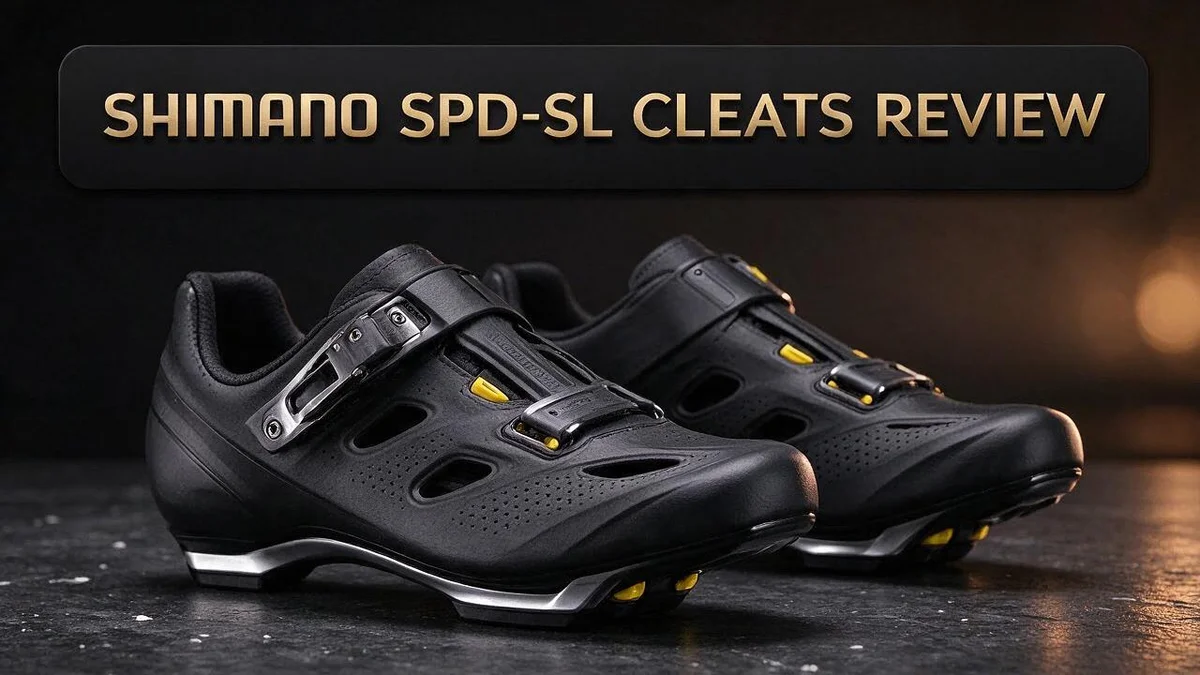
- For SPD-SL, 6-degree float type
- Cleat color: Yellow
Last update on 2026-11-25 / Affiliate links / Images from Amazon Product Advertising API
The build of Shimano SPD SL cleats follows a road style shape. The cleat sits on the sole of your shoe. It locks into the pedal and keeps your foot in place. This simple layout makes the system easy to understand for new riders.
Mounting uses three bolts. Each bolt fits a matching hole in your shoe. Most road shoes share this pattern, so check your shoe before you buy. A shoe with a different hole layout will not work.
Shoe sole stiffness matters a lot. A stiff sole spreads pressure across the cleat. A soft sole can flex under power. Over time, that flex can loosen the fit and shift the cleat.
A flat contact surface helps the cleat stay still. Good contact between the cleat and sole keeps the connection steady. Check that the cleat sits flush before every ride.
Cleat position changes your comfort. Small shifts forward or backward can change how your knee moves. Many riders set their position slowly over several rides. A bike fitter can help you find the right spot.
Bolt care keeps the system tight. Loose bolts can cause creaks or movement. Tighten them with the correct tool and check them often. Follow the torque guidance from the manufacturer.
Pedal match is essential. These cleats work with SPD SL pedals. Using the wrong pedal body will prevent a proper lock. Confirm your pedal type before you ride.
Float details are missing from the available research. Float affects how your foot rotates before release. Dimensions and float figures are not listed in the data. Read the official spec sheet before you choose.
Regular inspection extends the life of the build. Look at the cleat surface and the bolt heads each month. Replace parts that show cracks or deep wear. Early checks save time on the road.
Clip-In Engagement and Release
Getting clipped in with SPD SL cleats feels simple once you learn the motion. Line up the cleat with the pedal, then press your foot down with firm, even pressure. A clear click tells you the connection is set.
Engagement takes practice at first. Many new riders miss the pedal on early rides. That is normal. Try clipping in beside a wall or a sturdy fence so you can focus on the motion.
Release works through a simple outward twist of the heel. Turn your heel away from the bike, and the cleat slides free. Keep the movement smooth, since a jerky twist can throw off your balance at low speed.
Practice unclipping on both sides. You may need to put either foot down first at a stop. Quiet roads or an empty parking lot give you space to learn without pressure.
Tension adjustment matters too. Many pedals include a small screw that controls how firmly the cleat holds. Check your pedal manual for guidance, and change one small setting at a time.
Plan your exit early when you approach a stop. Shift your weight onto the foot you want to free, then twist and lift. Early planning keeps you calm and steady in traffic.
A smooth exit also helps reduce strain on the knee. Sudden pulls on the joint can cause discomfort over long rides. Relaxed legs make your riding feel more natural.
Confidence grows with repetition. After several rides, the motion starts to feel automatic. Your foot learns when to twist without much thought. Short practice sessions work better than long, tiring ones.
If release feels stiff or inconsistent, check for dirt inside the cleat or on the pedal. Wipe both parts clean and make sure they sit flat before your next ride. A little attention keeps the system working smoothly.
Practice in a range of conditions too. Wet roads or cold hands can change how your foot moves. Test your engagement and release in each condition so you feel ready when conditions change on the road.
Good clip in habits make every ride safer and more enjoyable.
Walking Comfort and Wear
Walking is a part of many rides. Cafe stops, bridges, and shoe changes all need you to step off the bike.
Your cleats will meet hard pavement and gravel. Every step can scrape the cleat body.
Cleat covers help a lot. Rubber covers shield the metal and plastic from grit. Slip them on before you walk into a shop.
Check the wear pattern often. Heel side and ball side wear can show how you pedal. Uneven wear may point to a shift in foot position.
Look for shiny or flattened spots on the cleat body. These show where the cleat rubs the pavement. Smooth areas mean the surface is wearing away.
Watch the shoe, too. Worn cleats can grind the shoe sole around the bolt holes. Damage there can loosen the fit.
Dirt trapped under the cleat can make each step feel uneven. Rinse the cleat with water after muddy rides.
Replace a worn cleat early to protect your shoe. Keep a spare set in your bag for long trips.
Walk on soft surfaces when you can. Grass and carpet are kinder to the cleat. Hard concrete wears the cleat faster.
Plan short walks with care. Long hikes in road cleats are tough on comfort. Shoes with recessed designs suit walking far better.
Wear rates vary from rider to rider. Riding style, body weight, and mileage all shape how fast the cleat wears. One fast wear report does not mean you will see the same result.
Keep a simple log. Note the date you fit new cleats. Add mileage each month. This habit helps you spot patterns early.
Choose the right shoe for mixed trips. Shoes with a walking tread give better grip on wet stairs. Pick a model that feels stable when you stand.
Slow down on wet floors and slick stone. Cleats lose grip faster on smooth surfaces. Take short strides to keep your footing.
Top 3 Alternatives
Look Keo Cleats

- DELTA FITNESS NON-SLIP CLEAT IS NOT COMPATIBLE WITH KEO PEDALS.
- Silent Float: LOOK CYCLE’s patented low friction zone technology (front and rear) improves your riding...
Last update on 2026-11-25 / Affiliate links / Images from Amazon Product Advertising API
Look Keo cleats have a long history in road cycling. Many riders trust them for steady power transfer on flat roads and steep climbs. Their large contact surface keeps your foot secure.
The clip in action feels easy. You can find the pedal quickly, even in busy traffic. Keep the cleats clean and check the bolts often so they last longer.
Look Keo cleats suit riders who want a simple setup. You can set the position with basic tools. Then you can focus on the ride instead of the gear.
Speedplay Zero Cleats

- SPEEDPLAY is the only pedal system to provide independent fore-aft, left-right, and float adjustability to optimze...
- EASE OF USE Step. Snap. Ride.

Last update on 2026-11-25 / Affiliate links / Images from Amazon Product Advertising API
Speedplay Zero cleats take a different approach to clipless riding. They use a two sided pedal design, so you can clip in from either side. This makes starting out simple for new riders.
Float is a key feature. The cleat lets your foot rotate a little, which can reduce strain on your knees. Riders with sensitive joints often appreciate that freedom on long rides.
Great for mixed terrain. The cleats shed mud and grit well, so they stay useful in wet weather. You can also keep your current shoes and simply swap the cleats when needed.
Time Xpro Cleats

- Developed for the TIME XPRO & XPRESSO road bike pedal range.
- Provides 15 float to allow natural angular and lateral leg movements.
Last update on 2026-11-25 / Affiliate links / Images from Amazon Product Advertising API
Time Xpro cleats come from a French brand known for comfort. They offer a range of float options, so you can adjust the fit to your stride. Many riders use them for both road and gravel rides.
Easy engagement and release. The cleat clicks in with a clear sound. You also get a firm hold when you need extra power on steep climbs.
Think about your riding style first. Choose the setup that matches how you ride most often. A good fit leads to better comfort and more efficient pedaling.
Compatibility and Setup
Start with your shoe type. Shimano SPD-SL cleats fit road style shoes with a three bolt pattern. Check the sole before you mount anything. This quick look saves time and frustration later.
The cleat uses a wide platform, so the shoe needs a flat area under the ball of the foot. Many road shoes have this shape. Mountain shoes with deep lugs may not sit flat, so they often need a different plan.
Mark your starting point first. Use a fine marker to outline the old cleat on the sole. This gives you a reference point when you swap cleats or reset the setup after wear. Keep the marks visible until your fit feels right.
Gather the right tools before you begin. A hex key that fits snugly prevents rounded bolts. Many riders also use a torque wrench for a steady result. Lay everything out first, so you do not stop halfway through the job.
Think about your riding style. SPD-SL cleats suit road riding and long rides on pavement. Forum users often recommend standard SPD cleats for trail or cross country riding. Choose the system that matches the terrain you ride most.
Test the fit on a short ride. Stand near a wall and clip in and out a few times. Pay attention to any heel or knee discomfort during the first pedal strokes. Adjust the setup before you head out on a long ride.
Know when to ask for help. A bike shop can check your alignment with a proper fit tool. Experts often spot problems that riders miss. Ask for a quick check after your first few rides, so small issues do not grow into bigger ones.
Pros and Cons
Pros
- The wide platform helps transfer power well to the pedal.
- Many riders feel the cleat holds more securely than SPD.
- It tends to last longer than the Look Keo.
- It walks better than the Look Keo when you step off the bike.
Cons
- One rider reported rapid wear on the right side cleat.
- Clipping in and out takes more practice than SPD.
- SPD is the better pick for trail and cross country riding.
Who Should Buy It
Shimano SPD-SL cleats suit riders who race or join fast club rides. Sprints and hard surges demand a steady connection. The cleat keeps the foot planted when the body rises out of the saddle.
Hills show the difference fast. Climbing out of the saddle feels more connected when the foot stays locked in place. Each pedal stroke feels direct and purposeful.
Time trial riders may like the steady platform too. Smooth pedaling matters when every effort counts. Many riders choose this cleat to keep their power flowing during long, steady efforts.
Riders who love long weekend miles on smooth pavement will feel at home. The setup stays predictable from the first mile to the last. Owners of a road bike who want a simple upgrade can focus on the pedal alone. Keeping the same shoes saves time at the shop.
Who should look elsewhere? Commuters who stop often in city traffic may find the process tiring. Each stop means a fresh unclip and clip in. Riders who often hike a bike across rough ground should also think twice.
Beginners who want the easiest clip in may prefer a smaller system. Practice on grass or a quiet street before a group ride. Confidence grows faster when the first tries happen away from traffic.
Walkers and trail hikers have other choices. Speedplay users often praise its durability and walkability. Pick the system that matches your ride, not the one that looks fastest on a shelf.
Final thought: Ask yourself where you ride most. Pavement lovers and group riders will likely feel at home with this cleat. Mixed terrain riders should compare other systems before they buy.
Final Verdict
The Shimano SPD-SL cleat earns a solid place in our final verdict. It suits road riders who want a wide, stable connection to the pedal. It is a strong choice for the right rider.
Think about where you ride most often. If your miles happen mostly on pavement, this cleat feels natural. If your weekends include dirt paths, a second pedal system may serve you better.
Many riders use one pair of pedals on every bike. That habit can limit your options. Owning two sets lets you match the cleat to each ride.
Wear deserves regular attention. One rider noticed fast wear on the right side, so inspect your cleats every few weeks. A quick look can catch problems early and save you money on replacements.
Shoe choice also shapes the experience. A stiff sole helps the cleat feel more direct during hard efforts. A softer sole can feel less connected when you push hard.
Group rides add another layer. At café stops and traffic lights, you need to unclip quickly. Practice releasing your foot on a quiet road first. Confidence grows with every ride.
Our final take is simple. This cleat rewards riders who value stability and steady power. It asks for more practice at the start. Riders who stick with it often enjoy smoother, more confident miles over time.
Pick the pedal that fits your riding goals, not the one with the most hype. Test your setup on a short loop, check your gear often, and ride with purpose.
Frequently Asked Questions
Are SPD-SL cleats compatible with SPD pedals?
No. SPD-SL cleats need SPD-SL pedals. The two systems use different cleats, so they do not swap. Check the pedal label before you buy.
Do I need special shoes for these cleats?
Yes. Road shoes with a three bolt pattern fit the cleat best. Most cycling shoes list the pattern on the sole. Confirm the match before you ride.
Can I use SPD-SL cleats for indoor training?
Yes. Trainer sessions also suit the secure connection. Many riders switch from indoor sessions to outdoor road rides without changing pedals.
How often should I check the cleat bolts?
Check them every few rides. Loose bolts can cause movement and annoying clicks. Tighten them with a snug tool, but do not overtighten.
What signs show I need new cleats?
Look for cracks, worn edges, or cleats that no longer clip in smoothly. Replace them before they fail. Doing so keeps your ride safe and predictable.

Virat is the founder and lead writer at ActivePlayFinds.com, where he shares honest, in-depth reviews, comparisons, and buying guides to help athletes and sports enthusiasts find the perfect gear. With a deep passion for sports and hands-on experience testing a wide range of products, he is committed to helping readers make smart, confident buying decisions.