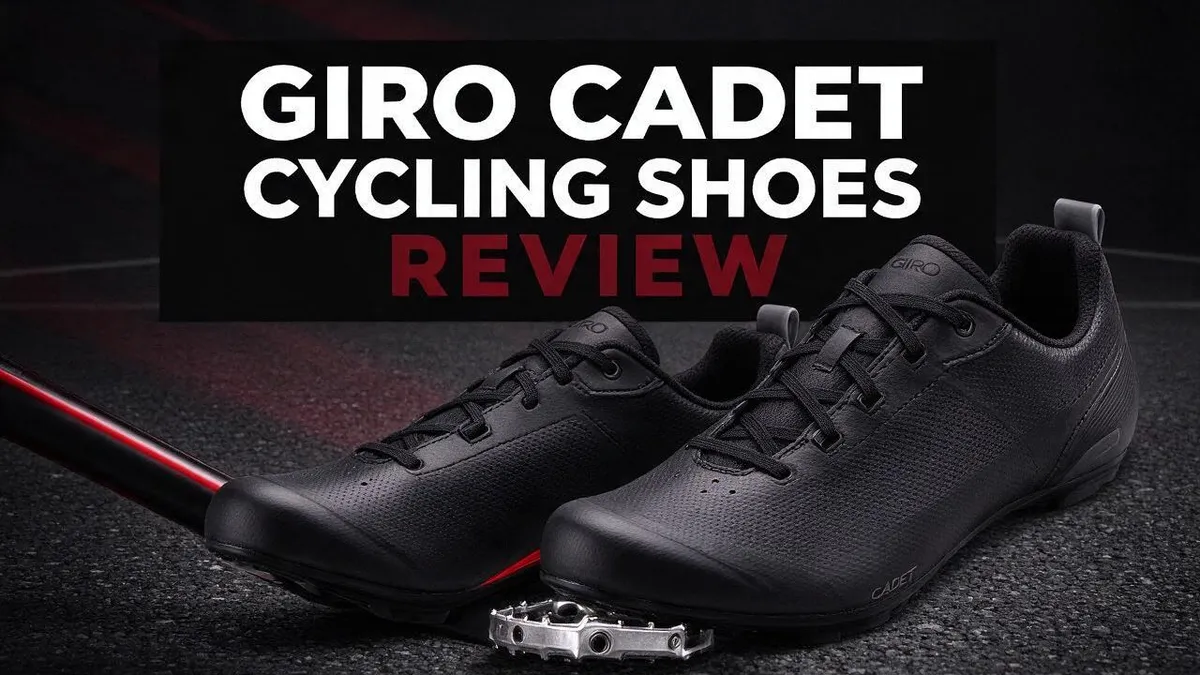
Giro Cadet Cycling Shoes Review: Power Transfer, BOA Fit, and Honest Verdict
Are you looking for cycling shoes that feel stiff on hard climbs yet comfy on long rides? The Giro Cadet might be the pair you need.
Many riders want one shoe that handles both power and comfort. This shoe aims to do just that. It uses an injected nylon and fiberglass plate. That plate keeps weight low and helps you push power into every pedal stroke.
The BOA dial makes fine tuning simple. You can tighten or loosen the fit with a quick turn. Many riders love that easy feel on the go.
In this review, you will learn how the Giro Cadet performs. We cover its key features, real rider feedback, possible fit issues, and how it stacks up against other popular options. Let us dig in.
In a Nutshell
Here is a quick look at the Giro Cadet.
- Built for power: A nylon and fiberglass plate keeps the sole stiff, so your pedal strokes feel direct. This helps on steep hills and hard sprints.
- Light enough for big days: One reviewer found the shoe lighter and more comfortable than expected.
- Extra toe and heel protection: The gravity style build offers more coverage than many road shoes. This helps during tough rides off the road.
- Grip matters: Some riders slip when their pedals lack grip, so pair these shoes with quality pedals. A grippy pedal keeps your foot secure on every push.
- Watch the little toe: One reviewer noted a tight fit there, so try them on before a long ride.
- Strong alternatives: Shoppers often compare them with the Shimano High Performing All-Rounder and the Fizik Tempo R5 Powerstrap. Compare fit, sole stiffness, and closure style before you choose.
Overall, the Giro Cadet suits riders who want a stiff sole and extra foot protection.
Build and Materials

- Synchwire construction is a stitch-less upper that's vented and reinforced to create a lightweight cycling shoe...
- The BOA® L6 Fit System provides fast micro-adjustability with the turn of the dial. The combination of the dial...

Last update on 2026-11-26 / Affiliate links / Images from Amazon Product Advertising API
The build of the Giro Cadet centers on the sole. Most of the shoe’s structure sits underneath your foot. Knowing how these materials come together helps you judge how the shoe will hold up over many rides.
The plate starts as injected nylon and fiberglass. Injection forms the plate as one shaped piece. This gives the sole a consistent structure from heel to toe. A uniform plate also means fewer weak spots where the shoe could flex in the wrong place.
One reviewer also mentions a carbon reinforced sole. Carbon adds strength without adding much bulk. This matters because you want support under the forefoot without a heavy feel. When you hold the shoe, the sole should feel firm and even.
The outsole uses molded rubber that joins the base during production. This process bonds the rubber and plate in a single step. Fewer separate pieces can mean fewer seams that may wear or peel over time. You can inspect the sole edges after a few months of riding to see how well they hold together.
Closure hardware plays a big role in the build too. The BOA dial uses a thin wire system instead of traditional straps. Wire lacing spreads pressure across the top of the foot. It also lets you adjust the fit in small steps during a ride. Check that the dial and lacing feel smooth when you turn them.
Before you buy, look at the cleat mounting area. Because the sole is stiff, your cleats must sit flat and secure. Ask a bike shop to check the fit with your pedal system. A quick check now can prevent problems later. Good materials and careful setup give you confidence on both short and long rides.
Performance and Power Transfer
When you push hard on a climb, every watt counts. Power transfer describes how much of your effort actually reaches the pedals. The Giro Cadet aims to keep that energy flowing.
Your foot needs to stay still inside the shoe. Any movement wastes force. A snug heel and a secure closure help hold your foot in place.
Think about your cleat placement too. Small shifts change how your knee and ankle line up. Even a few millimeters can make a noticeable difference in comfort.
Sprints show the difference fast. A firm sole lets you stamp down without the shoe flexing. You feel the bike respond right away.
Long days bring a different challenge. Fatigue slowly reduces your output. Good support keeps your foot steady, so your legs can focus on pushing.
Cadence matters as well. Smooth pedal circles at higher speeds need a shoe that does not twist. The Cadet suits riders who spin quickly and grind up steep roads.
Your riding style also shapes the choice. Steady climbers often enjoy the firm feel. Casual riders may want a little more give for walking around cafe stops.
Heat can affect performance too. Feet swell during a long ride, and the fit may loosen. Adjust the dial mid ride to keep pressure even.
Sock choice plays a role as well. Thin socks give a direct feel, while thick socks can crowd the foot. Pick the pair that suits your routine.
Test power on a trainer or a steep hill. Notice whether your foot shifts or your pedal stroke feels smooth. Your own legs give the most honest feedback.
In short, power comes from the whole setup. The shoe, pedals, and fit all work together. Test them on your own bike before you commit to long miles.
Comfort and Fit
Comfort starts with a good fit. A shoe that feels great in a shop can still cause pain after three hours in the saddle. Take your time when you test them.
Start at home with a simple measurement. Stand on a sheet of paper, mark your heel and longest toe, then measure the distance in centimeters. Compare that number with the brand’s size chart. Size charts give a starting point, but each brand cuts its lasts differently. A size that fits one model may feel snug in another.
Try the shoes later in the day. Feet swell during activity and long days on your feet. Shoes fitted in the afternoon give a more honest result.
Walk around the store for a few minutes. Your heel should stay in place with no lifting. A little slip at the back often turns into rubbing on longer rides.
Check the toe box too. Your toes need room to spread without pressing into the front. Cramped toes can go numb during long efforts.
If your feet run wide, look for models with extra width in the forefoot. A roomy front helps your foot settle without squeezing the sides.
The dial adds control, but tension matters more than tightness. Tighten it until the midfoot feels snug. Then leave space at the forefoot so blood flow stays steady.
Insoles can also change comfort. If your arches need more support, swap in a supportive insole. Remove the factory footbed first so the new one sits flat.
Break-in takes time. Stiff uppers soften after several rides. Start with shorter sessions before a big event, so you can spot problems early.
Use a simple checklist when you test them. Look for a firm heel hold, comfortable toe room, even pressure across the sole, and no pinch points. If any spot hurts within ten minutes, try a different size. Your feet will thank you on every mile.
Top 3 Alternatives
Five Ten Freerider

- Canvas upper
- Sustainable canvas
Last update on 2026-11-26 / Affiliate links / Images from Amazon Product Advertising API
The Five Ten Freerider suits riders who like flat pedals. Its sticky rubber sole grips well. Your foot stays steady on the pedal during rough trail sections.
Many riders enjoy walking in these shoes. They feel comfortable off the bike too, so you can stop at a café without changing footwear. Riders who switch between biking and hiking often like this style.
Best for: trail riding and riders who want a casual look.
Specialized 2FO Cliplite

- Water-resistant, breathable microfiber
- Laced closure with top power strap
Last update on 2026-11-26 / Affiliate links / Images from Amazon Product Advertising API
The Specialized 2FO Cliplite works well for riders who want a relaxed fit. It uses a simple clip-in design for cleats. You can walk on hard floors without much effort.
The closure system lets you adjust the fit quickly. Many riders find the sole stiff enough for pedaling yet flexible enough for walking. The shoe also breathes well on warm days.
Best for: commuters and casual trail riders.
Shimano SH-ME3

- The SH-IC100 (IC1) is an Indoor Cycling Specific Shoe: High performing shoe made especially to boost your indoor...
- Versatile 5-Hole Outsole: Compatible with both SPD / 2-hole and SPD-SL / 3-hole cleats and clip-in pedals
Last update on 2026-11-26 / Affiliate links / Images from Amazon Product Advertising API
The Shimano SH-ME3 offers a clean, everyday look. It works with SPD-style cleats, so it fits many clipless pedals. Riders often choose it for short rides and city trips.
The upper material looks neat enough for the office. You can wear these shoes after a ride without changing. The shoe stays light and easy to wear all day.
Best for: city riders who want a simple, comfortable shoe.
Closure System and Adjustability
The Giro Cadet uses a BOA dial instead of laces. You turn one knob to tighten the upper with ease.
Turning the dial pulls fine cables through the shoe. This spreads pressure across the foot more evenly than a simple strap can.
Small clicks let you change the fit in tiny steps. This helps when your feet swell on a long ride.
You can loosen the dial at a café stop. Then you can tighten it again before a steep climb.
Set the fit before you ride. Adjusting while clipped in is harder and less safe, so stop first.
A dial tightens the whole upper at once. A loose heel can remain even when the forefoot feels snug.
Some riders compare the Giro Cadet with the Fizik Tempo R5 Powerstrap. That model uses a strap instead of a dial.
Watch the cables as you set the dial. Check that the wire does not press on the top of the foot or the ankle.
Gloves help when you turn the dial with cold fingers. A quick check at home saves time on the road.
Some riders love the smooth action of the dial. Others miss the flexibility of laces for unusual foot shapes.
Test the closure on a short ride first. Note any hot spots after twenty minutes, then adjust before your next big day.
Dial tension also changes over time. Your shoes may feel looser after a few weeks of rides, so check the setting before each outing.
Small changes make a big difference. Give the dial a quarter turn, ride a few minutes, then decide if it needs more.
Keep the dial free from grit and mud. Clean it with a damp cloth so the mechanism turns smoothly.
A snug closure supports your foot without squeezing it. Good closure makes long rides feel calmer and more controlled.
Pedal Compatibility and Grip
Pedal compatibility decides how well a shoe works for you. Many riders ask whether the Giro Cadet suits their setup. The answer depends on the pedal type you ride.
The Cadet belongs to the gravity style group. This means it suits riders who use flat pedals with pins. Riders who prefer clipless pedals should check the cleat system before they buy anything new.
Grip starts with the sole. The co-molded rubber outsole bites into flat pedals. Look for a tread that feels firm under your forefoot. This helps your foot stay in place on rough trails and wet days.
Pins matter more than you think. Metal pins grip the sole and hold your foot steady. Worn pins lose their bite, so check them often and replace them when they feel smooth.
Some riders report slipping on their pedals. This usually happens when pedals lack grip or the pin spacing is wrong. Slipping often feels like a loss of control on rough descents. Try pedals with a wide platform and sharp pins for better control.
Shoe and pedal pairing works like a team. A stiff sole helps power transfer on flat pedals too. Good pins spread the load across the foot.
Check the cleat system on any clipless setup. Look for the cleat type that your shoe accepts. Not every cleat fits every sole, so confirm the match before you ride.
Test your grip on a short loop first. Ride over a few rough spots and brake hard. Pay attention to how your heel sits on the pedal. Notice whether your foot moves during these moves. Adjust pins or pedals if your foot shifts.
Wet weather changes everything. Mud and rain reduce grip on both pedals and soles. Wipe the pedal surface and clean the sole after each ride. This keeps friction high for your next outing.
Grip is a shared job. Your shoe, your pedals, and your technique all matter. A small change in one area can fix a slip in another.
Pros and Cons
Pros
- The lighter build helps on long climbs.
- Riders often find them comfortable on long days in the saddle.
- The extra toe and heel cover adds protection during rough dismounts.
- The rubber outsole gives a steady feel when you walk off the bike.
- The shoes suit riders who want a sturdy build for tough trails.
Cons
- The little toe can feel tight for some riders.
- The gravity style build may feel bulky on quick road rides.
- Casual wearers may find the look too sporty for daily wear.
Who Should Buy It
The Giro Cadet suits riders who want one shoe for many jobs. Rides that mix steep climbs with long cruising days fit this build well. A stiff plate sends power down, while the upper stays calm during hours in the saddle.
New riders who want a forgiving start may also enjoy this shoe. A firm sole can feel strange at first. However, the comfort on longer outings builds trust over time.
Bikepackers who spend days far from home often need one shoe for everything. This build handles pedaling and light hiking without fuss. Trips with changing terrain also make it a helpful pick. You can carry just one pair and save space in your bag.
Riders with wide feet should look closely at the fit. Some reviewers felt pinching in the little toe. Try them on in the afternoon, when your feet are slightly swollen. If that sounds like you, compare the Fizik Tempo R5 Overcurve, which suits narrow and wide feet.
Road riders who want a sleeker profile may explore other options. The Santic Road and Tommaso Strada sit in a different style group. Riders who want a classic road feel may also look at a Shimano option. Compare how each one feels before you choose.
Club riders who join long weekend loops often value steady comfort. Sprints feel more direct when the sole does not flex. Pick this shoe when your weekends are long and your pace changes often.
Other options for everyday errands include the Reebok 8.0 Flexweave or Rockport Leader 2. People who want a casual shoe for daily life may skip this pair.
Your riding week should guide the choice. Count your rides, note the terrain, and think about how far you walk off the bike. Those answers point you to the right shoe.
Final Verdict
The Giro Cadet earns a strong spot on your shortlist. It suits riders who want one shoe for many kinds of rides.
Think of this shoe as a capable all rounder rather than a specialist. It handles trail days, casual spins, and long weekend loops with ease.
Fit still decides everything. Try the shoes on later in the day, when your feet swell a little. That way, you avoid buying a pair that feels fine in the shop but pinches on the road.
Compare the Cadet with the top rivals before you commit. The Shimano High Performing All Rounder and the Fizik Tempo R5 Powerstrap both serve similar riders. Each one brings a different balance of stiffness, fit, and walking comfort.
Who should skip them? Road racers who want the sleekest profile may prefer a shoe built for that job. Riders with very narrow or very wide feet should also check the fit with extra care.
Think about your typical week before you buy. Count how many rides you take on pavement, gravel, and trails. Note how often you stop and walk. The answer often points you to the right shoe faster than any spec sheet.
Ask yourself three quick questions. Do you ride mostly off road? Do you walk often after you get off the bike? Do you want one pair for almost everything? If you answered yes to two or more, the Cadet fits your needs well.
Here is the simple takeaway. The Giro Cadet offers a sturdy build, steady comfort, and solid versatility. If your rides mix pedaling, walking, and rougher terrain, this shoe deserves a close look.
Choose the shoe that fits your riding life. The right pair should feel natural from the first mile. With a good fit, the Cadet can become your go to shoe for years of riding.
Frequently Asked Questions
Does the sole feel stiff enough for hard efforts?
Yes, the Giro Cadet uses a nylon and fiberglass plate. This plate helps your power move from your legs to the pedals. One review also mentions a carbon reinforced sole, which adds extra support when you push hard.
What makes the BOA dial useful on the trail?
The BOA dial lets you tighten or loosen the shoe with a simple twist. You can make quick changes while riding or during a short stop. Many riders like how steady and precise the fit feels.
How can I ease a tight little toe?
Loosen the dial fully, then tighten it in small steps. Let the shoe settle around your foot for a few minutes. If the pinch stays, test another model before you decide.
Which rivals should I compare the Cadet with?
Shimano High Performing, Fizik Tempo R5 Powerstrap, Santic Road, and Tommaso Strada are popular picks. Riders with narrow or wide feet may want to check the Fizik Tempo R5 Overcurve. Try each option on if you can.

Virat is the founder and lead writer at ActivePlayFinds.com, where he shares honest, in-depth reviews, comparisons, and buying guides to help athletes and sports enthusiasts find the perfect gear. With a deep passion for sports and hands-on experience testing a wide range of products, he is committed to helping readers make smart, confident buying decisions.