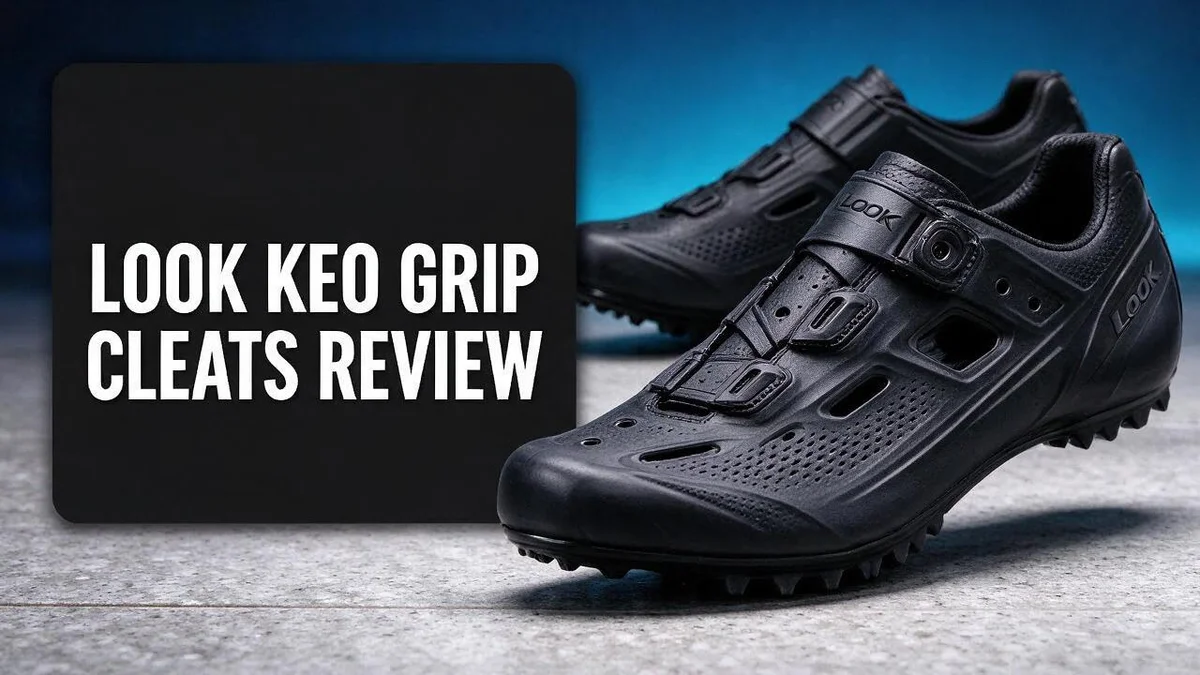
Look Keo Grip Cleats Review: Walking Grip, Float, Noise and Durability
If you ride clipless pedals, you know the pain of walking into a café in stiff cleats. The Look Keo Grip cleats aim to solve that problem. They add rubber grips that make walking far easier.
These cleats resemble the classic KEO cleat design. They fit LOOK KEO pedals and come with two cleats in the box.
Riders often say these cleats feel lighter and easier to walk in than standard Look pedal systems. Some riders also report a secure clipping feel with no looseness. Still, this review covers both the good and the bad, so you can decide if they suit your riding.
In a Nutshell
-
Rubber grips make walking easier. TPU rubber pads on the front and rear give you better grip off the bike, so you may not need cleat covers.
-
Silent Float zones cut noise. These low friction areas reduce noise and wear where the cleat meets the pedal.
-
Creaking is the top complaint. Many riders hear a squeak between the cleat and pedal. Keeping your cleat bolts snug may ease this sound.
-
Bearings may wear out early. Some riders report bearing failure around 2 to 3k miles, so check them often.
-
Unclipping takes care. High tension or misaligned cleats make release harder. Set your tension low and align your cleats well.
-
Other options exist. You can compare the LOOK KEO Grip BiMaterial, Shimano road pedals, or the Thinvik adjustable 3-hole cleat before you decide.
Build and Materials

- A BENCHMARK IN THE CYCLING WORLD: KEO cleats invented by LOOK are renowned in the cycling industry for their low...
- MEMORY FUNCTION: With the memory positioner you can change your cleats without losing your exact foot position...
Last update on 2026-11-25 / Affiliate links / Images from Amazon Product Advertising API
The main body uses polyamide, a tough plastic that handles daily knocks. Think of it as the backbone of the cleat.
Polyamide keeps its shape over many miles. That matters because a warped cleat can shift your foot and cause discomfort.
The TPU layer on the shoe side acts as a flexible interface. It helps the cleat sit firmly against the sole.
Two cleats come in the box. That gives you a spare set for a second pair of shoes or a quick swap.
The 0 degree float variant comes in black. Zero float keeps your foot locked in one position. Riders who want a fixed feel may prefer this version.
Material choice affects how the cleat wears. Polyamide and TPU both resist grinding, but a worn cleat loses its fit. Check the cleat face every few rides for flat spots.
Look at the edges of the body too. Cracks or chips near the bolt holes can weaken the cleat. Replace damaged parts before they fail on the road.
Keep the cleat clean. Grit trapped in the grooves can scratch the pedal. A soft brush and water do the job well.
The widened front and rear grip areas spread your weight across more surface. Less pressure on one spot can slow visible wear.
Before fitting, check your shoe sole type. A stiff sole with good cleat space gives the best results.
Tighten the bolts in small steps. Even pressure keeps the body flat against the shoe. Uneven tightening can stress the polyamide and crack it over time.
Good build quality shows in daily use. The materials handle rain, dust, and road grit well. Still, no cleat lasts forever, so plan replacements.
Your feet and your pedals will tell you when something changes. Listen for new noise, feel for loose fit, and look for wear.
Walking Grip and Comfort
Walking is a big part of many rides. You stop for a snack, check a map, or fix a flat. Your feet need steady support on every step.
Test your grip at home first. Walk across tile, wood, and a damp bathroom floor. Notice how the sole feels on each surface. This short test shows you what to expect outside.
Stairs can feel tricky in cleats. Take them slowly and place your whole foot on each step. Hold the handrail when you can. Your ankles will thank you later.
Curbs need extra care. Step up with your stronger leg first. Keep your weight centred over the foot. Small steps keep you balanced when the surface changes.
Long walks change how your calves feel. Many riders notice tight muscles after a day of standing. Gentle stretches after the ride help your legs recover quickly.
Your shoe choice matters more than you think. A stiff sole spreads pressure differently than a flexible one. Try a few pairs with your cleats before you commit to a setup.
Socks play a role too. Thick socks can change how the shoe fits. Wear the socks you plan to ride in. This keeps your foot position accurate when you clip in.
Hot days bring swelling. Your feet grow a little during long rides. Loosen the shoe straps at breaks. This gives your toes room and keeps walking comfortable.
Rest stops show the real test. Café floors, gravel paths, and wet grass all challenge your footing. Pay attention to how confident you feel. Confidence on these surfaces tells you a lot about the cleat.
Walking gets easier with practice. Spend a few minutes each week walking in your cleats. Your muscles learn the new movement, and your steps feel more natural over time.
Pack a pair of flat shoes for longer stops. Some riders carry casual shoes in a bag. This gives your feet a break from the cleats. It also helps on very slippery days.
Clipping Performance and Float
Clipping in should feel quick and calm. Place the cleat over the pedal, then press down with your foot. A firm click tells you the connection is locked.
The float setting changes how your foot moves during a pedal stroke. The 0° float variant holds your heel fixed. It suits riders who want a stable, direct feel.
Float is a rider choice, not a rule. Some riders like a fixed position because it keeps their knees on one line. Others need a little movement so their joints feel relaxed.
Think about your knee path before you choose. If your knees tend to turn in or out, a fixed setup may cause strain. A small amount of movement can ease that pressure.
Check your engagement after every ride. Clip in and out on grass or a soft surface first. Your ankles will show you if the position feels off.
Try a short indoor session before a long route. Clip in on a trainer and pedal lightly for five minutes. Then, pay attention to hot spots under the ball of your foot.
Shift your weight slightly to test float. Stand on the pedals and rock your heel side to side. Notice whether the motion feels free or blocked.
Small changes in cleat position can alter float a lot. Even a few millimeters matters for comfort. Record your settings so you can repeat them later.
Good engagement builds confidence. You stop worrying about your feet and focus on the road. Clean pedals and a steady routine keep that feeling strong over time.
Watch for uneven pedaling on long climbs. A shifting foot can make one leg work harder than the other. If power feels lopsided, recheck your cleat angle and shoe fit.
Keep notes on how each ride feels. Write down float, cleat position, and any sore spots. Over time, patterns show what suits your body best.
Top 3 Alternatives
Shimano SM-SH56 Cleats

- Fits: All Mountain SPD pedals except PD-M858 Float: 0deg Pedal Color: Silver Pedal Model: SH56 Unit of Sale: Pair
Last update on 2026-11-25 / Affiliate links / Images from Amazon Product Advertising API
The Shimano SM-SH56 Cleats work well for riders who want easy walking and smooth clipping. They use a two-bolt design that fits standard SPD pedals. Riders can clip in and out with confidence.
These cleats offer a multi-release setting. That means you can twist your foot out at a lower force when you need to stop. Many mountain bikers and commuters like this feature for everyday rides.
Shimano SM-SH51 Cleats

- Secure Fit: Precision-engineered cleats ensure optimal connection between shoe and pedal for enhanced power...
- Compatibility: Designed specifically for Shimano SPD pedal systems, providing seamless integration with your...
Last update on 2026-11-25 / Affiliate links / Images from Amazon Product Advertising API
The Shimano SM-SH51 Cleats are a classic choice for new riders. They have a single-release design, so the release feels firm and steady. They also fit SPD pedals, which makes them simple to match with your setup.
Because they hold tight, they suit riders who tackle rough trails or stop often. Many people pick these cleats for their reliable feel and easy upkeep.
Speedplay Zero Cleats

- SPEEDPLAY is the only pedal system to provide independent fore-aft, left-right, and float adjustability to optimze...
- EASE OF USE Step. Snap. Ride.

Last update on 2026-11-25 / Affiliate links / Images from Amazon Product Advertising API
The Speedplay Zero Cleats use a different system from SPD. They have a four-bolt design and work with Speedplay pedals only. Riders get a wide, open platform that feels stable on long rides.
They also offer float, so your knees can move more freely during each pedal stroke. This helps many riders who feel strain in their joints. Always check your pedal type before you buy, so you get the right fit.
Compatibility and Fit
These cleats work with LOOK KEO pedals. They resemble the KEO CLEAT, so the fit feels familiar to many riders. Confirm your pedal body matches the Keo design before you buy. A close match helps the cleat sit flat and lock in.
The LOOK KEO Grip BiMaterial comes from the same brand. Riders who want to compare options can look at it first. Shimano road pedals use a different design. Their cleats cannot swap with Look pedals, so keep the two systems separate.
The Thinvik adjustable cleat is listed as an alternative. It fits Look Keo Grip setups and suits riders who want more adjustment.
Some riders run a wider stance on the bike. Cleat position on the shoe can help match that stance.
Shoe mounting holes need to line up with the cleat. Measure the spacing before you start, so the fit stays accurate.
Cleat position also changes reach and comfort. Saddle height and pedal position can shift how your foot sits.
Foot shape plays a role in fit too. Wide forefoots may feel pressure from a narrow shoe, so try shoes in person when you can.
Rider fit also depends on your bike size. A frame that is too large or too small changes how your foot meets the pedal.
Think about your riding style before you fit. Commuters and long-distance riders may want different setups.
A good fit feels secure but never forced. You should clip in with a light click and no strain on your ankle.
Ask a bike shop for help if you feel unsure. A trained mechanic can check alignment and show you the right position.
Write down your fit once it feels right. Note the cleat position, so you can reset it after a tune up.
A short test ride on quiet roads shows fit fast. You can check comfort without traffic pressure.
Noise and Durability
Noise is the top complaint with these cleats. Many riders hear a creaking sound between the cleat and the pedal. It can feel distracting on quiet rides.
The Silent Float zones aim to reduce that noise. These low-friction areas cut down on rubbing and wear. Some riders still hear sound, though.
Most creaking grows from dirt and dryness. Grit can slip into the contact area and rub with each step. Simple cleaning often keeps things quieter.
After wet or muddy rides, wipe the cleat and pedal clean. Look for small stones or grit near the contact point. A dry cloth works well for this job.
Then add a light layer of grease to the pedal mechanism. Use a grease made for bike components. Avoid oily sprays that attract dust.
Durability is the next big question. One rider reports bearing failure around two to three thousand miles. That number suggests you should plan regular checks.
Another rider notes faster wear than expected. Frequent walking on rough surfaces can speed up cleat wear. Your riding habits shape how long the parts last.
Make a habit of inspecting the cleats every few hundred miles. Look for flat spots, cracks, or loose screws. Replace worn parts before they fail on a ride.
Keep an eye on the pedal bearings too. Rough or stiff movement can signal trouble. Smooth movement means the bearings still work well.
Some riders carry a spare cleat in their bag. This simple habit saves a ride if one breaks. It also gives you peace of mind on longer routes.
Overall, noise and wear can be managed with care. Clean parts, regular checks, and quick repairs go a long way. Your routine matters more than any single part.
Pros and Cons
Pros
– Rubber grips let you walk on hard floors without cleat covers.
– Many riders find them lighter and easier to walk in than Look pedal systems.
– One rider reports no pull out or looseness during rides.
– The TPU layer on the shoe side adds grip for quick stops.
– They suit commuters who ride to work and walk into shops.
Cons
– Unclipping gets hard when the tension runs high.
– Misaligned cleats can make your foot stick when you want to release.
– New riders may need a few rides before they feel comfortable.
– Some riders may not enjoy the float options at first.
Who Should Buy It
Riders who stop often get the most from these cleats. Think about coffee breaks, photo stops, or a long walk through a trailhead car park. Your shoes need to work well off the bike too.
Parents who ride with kids may also appreciate the easy walking. You can lift a bike over a gate or walk beside a child on a path without feeling clumsy.
New riders often feel nervous at first. Practise clipping in and out on a quiet street before you ride in traffic. Steady practice builds trust in your feet.
Hobby riders who head out a few weekends each month may enjoy this design. You get comfortable walking without a full commuter routine. Casual pedaling feels relaxed from start to finish.
Multi-sport fans who mix cycling with hiking or sightseeing also gain a lot. Their shoes spend long hours off the pedals, so comfort matters every minute.
Riders with sensitive knees often look for gentle float. Choose the setup that lets your knees move in a natural path. Test it on short rides first, then add distance slowly.
You might skip these cleats if you dislike upkeep. Noise and wear need regular attention. Riders who want a system that needs no attention may feel frustrated.
Shoppers who want clear expectations should read the pros and cons closely. Know the noise and wear risks before you start. That way you ride with confidence instead of surprise.
Before you buy, check your current pedals and shoe sole. Confirm that your setup matches the design. A good match feels easy from day one and keeps your rides enjoyable.
Final Verdict
The Look Keo Grip Cleats suit riders who want easy walking.
Their rubber grips handle hard floors well. That feature sets them apart from many road options.
Before you buy, compare them with the LOOK KEO Grip BiMaterial from the same brand.
Shimano road pedals offer a different feel for riders who want another path.
Thinvik also makes an adjustable option that some riders consider.
Think of this choice as a question of feel and fit.
Light walking and a familiar Look style appeal to many people.
Riders who want the quietest or longest lasting setup may need to look elsewhere.
A quick checklist can guide your decision.
Pick these cleats if you walk often, ride shorter routes, and accept some upkeep.
Skip them if you ride very long distances and want no extra attention at all.
One rider reports no pull out or looseness, which hints at a secure fit.
Still, one happy report does not guarantee the same result for you.
Test the setup on a short ride before you commit to long miles.
Pay attention to how smoothly your foot leaves the pedal on each stop.
The zero degree variant gives a fixed feel with no float.
Choose it if you want steady contact and dislike any play.
Confirm that your cycling shoes match the Look cleat pattern before you order.
Overall, the Look Keo Grip Cleats offer a practical and convenient option.
Their known weaknesses can be managed with care.
Keep this verdict in mind as you compare options side by side.
Riders who value easy walking and simple setup will likely feel happy with this design.
A clear plan makes this purchase feel safe and simple.
Frequently Asked Questions
Do these cleats fit Look Keo pedals?
Yes, they work with LOOK KEO pedals. They resemble the KEO cleat model, so the fit often feels familiar. Check that you have the right pedal model before you buy.
Why do the cleats creak?
Creaking is the most common complaint from riders. The noise often comes from the contact between the cleat and the pedal. Clean the area and dry it well. Then check the cleat bolts for looseness.
How long do the bearings last?
Some riders report bearing failure after two to three thousand miles. Riding habits, weather, and upkeep all change how long parts last. Rinse off grit and dirt often to protect the mechanism.
What should I check before my first ride?
Make sure both cleats sit straight on the shoe. A slight tilt can make unclipping hard. Start with light tension. Adjust it slowly on a quiet road until the release feels smooth.
Can I wear these cleats for hiking or sightseeing?
Yes, they suit short hikes and city walks. The rubber grips help you move across shop floors, paths, and gravel. Long hikes may feel less comfortable than with proper walking shoes, so keep that in mind.

Virat is the founder and lead writer at ActivePlayFinds.com, where he shares honest, in-depth reviews, comparisons, and buying guides to help athletes and sports enthusiasts find the perfect gear. With a deep passion for sports and hands-on experience testing a wide range of products, he is committed to helping readers make smart, confident buying decisions.