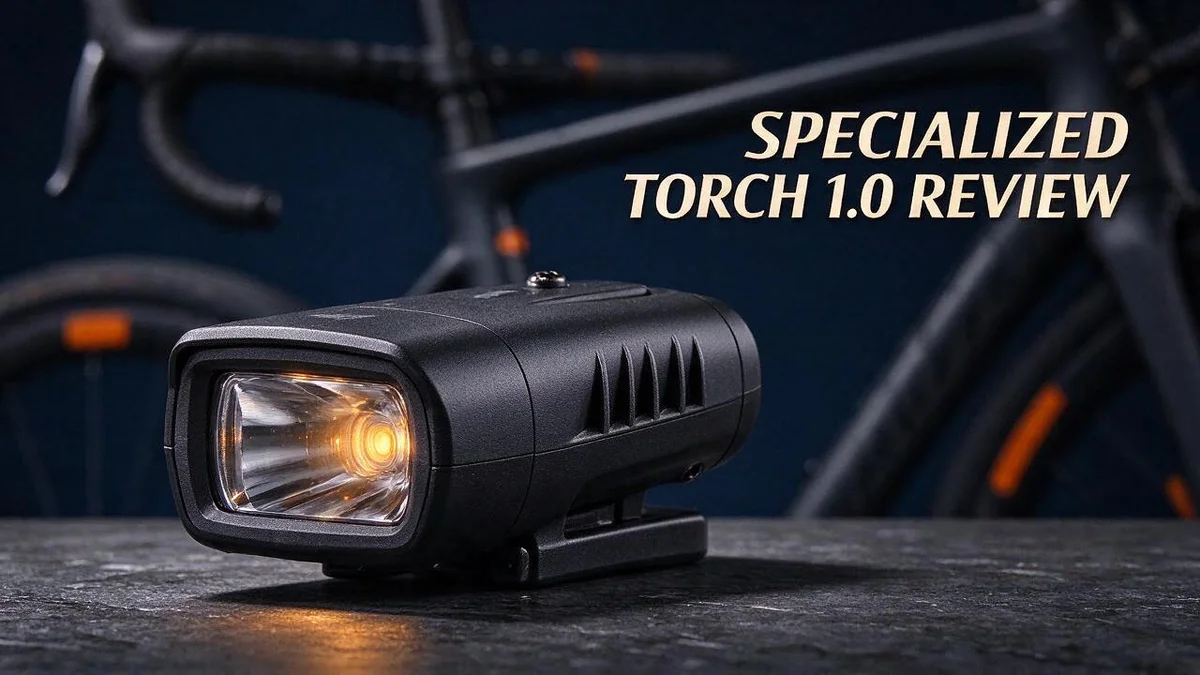
Specialized Torch 1.0 Review: Fit, Sole Stiffness, and Boa Closure for Cyclists
Are you looking for a cycling shoe that feels good on every ride? The Specialized Torch 1.0 could be the right pick. Many riders find it comfortable and secure.
One feature stands out right away. The Boa dial lets you make fine adjustments in seconds. You can tighten or loosen the fit before you head out or while you ride.
The sole feels stiff, so your pedal stroke stays strong. Most reviewers say the fit works well overall. Still, the fit can feel a little roomy, and the heel hold is not as snug as some people want.
The shoe also does not work with SPD cleats. That matters if you ride with SPD pedals. In this guide, we look at what the Torch 1.0 does well, where it falls short, and who it suits best.
In a Nutshell
-
Boa dial for easy adjustment: The Torch 1.0 uses a Boa dial. You can tighten or loosen the fit with a simple turn.
-
A fit that can feel roomy: A 2023 review noted that the fit is still a little roomy. Riders with narrow feet may need a closer look.
-
Heel hold needs work: Heel hold does not match what many riders want. Try the shoe on before you commit.
-
Rival with a similar closure: The Fizik R3 also uses Boa dials. Many riders compare these two shoes side by side.
-
Other Torch models: The Torch 2.0 and Torch 3 offer other options from the same line. Look at each model to see which one fits your needs.
-
Who this shoe suits: Riders who want a dial closure and a firm feel may like the Torch 1.0. Riders who need a very secure heel should test the fit first.
Fit and Sizing

- TPU film and textile mesh are thermo-bonded together to create Synchwire, a single-layer upper that conforms to the...
- Three compression molded Hook & Loop straps provide tried and true tightening and support
Last update on 2026-11-26 / Affiliate links / Images from Amazon Product Advertising API
Getting the fit right matters more than almost anything else in a cycling shoe. A shoe that pinches or slides will ruin a ride fast. Here is how to think about sizing the Specialized Torch 1.0 for your feet.
Start by measuring your feet in the afternoon. Feet swell a little during the day, so late testing gives a truer size. Wear the same socks you plan to ride in.
Next, check the toe box. Your toes should have room to wiggle without touching the front. Dial closures make this easy, because you can loosen the shoe in seconds and step out.
Many riders focus only on length, but width matters too. A shoe can match your length and still press on the sides. Stand up in the shoes and feel for pressure points on the outside of your foot.
Next, try the heel test. Stand, then rise onto the balls of your feet. Your heel should stay mostly in place. Some heel lift is normal, but large movement means the size may be too big.
Check the fit while clipped in on a trainer if you can. Pedal a few minutes at an easy effort. Notice any hot spots or numbness. These signs often show up after thirty minutes, not in the first minute.
If you sit between two sizes, think about how you ride. Riders who pedal hard often prefer a snug fit for better power transfer. Casual riders may enjoy a little extra space for comfort on longer days.
A thicker insole can fill extra volume. Test it before a long ride, since it may change how the heel sits.
Final tip: Ride a short loop first. Look for hot spots, numbness, or heel slip. If the shoe passes this test, you have likely found your size. Take your time with this step. A good fit makes every pedal stroke feel smoother.
Closure System and Adjustment
Closure matters more than many riders expect. A good closure holds the foot steady on rough roads. The Torch 1.0 makes that hold easy to set before each ride.
The dial sits on the outside of the shoe. You turn it in small steps, so your hands stay on the bars while you adjust it. You can also make changes with gloves on at a stop sign.
Tighten in stages, not all at once. Start with a light, snug feel, then ride for a few minutes. Your foot may settle into the shoe, so small changes work better than one big turn. This habit saves you from guessing.
Feet often swell during long rides, especially in warm weather. Loosen the dial slightly at a break to ease pressure on the top of the foot. Then tighten it again before the final climb.
Keep the dial clean and free of grit. Dirt can slow the cable and make the clicks feel uneven. A quick wipe after muddy rides keeps the mechanism smooth.
Check the wrap around the midfoot. Press the shoe down while you turn the dial. The closure should pull evenly from the toes to the arch.
Uneven pressure can cause hot spots after an hour on the bike. If you feel a sore spot, adjust the dial in a small step and recheck.
Release the dial fully when you store the shoes. This eases tension on the cable and helps the shoe keep its shape. Dry the shoes after wet rides, too.
Closure can also help when the fit feels a bit loose. Tightening a notch more can improve control, but do not overtighten.
Too much pressure on the top of the foot can cause numbness. Back off the dial if your toes tingle.
Final check before you clip in. Stand up, rock forward, and feel for any heel lift. Make a last small turn if needed, then go.
Sole Stiffness and Power Transfer
Every pedal stroke asks your foot to push hard. A stiff sole helps that push reach the pedal. Less flex means less energy lost along the way. This matters most when you ride hard.
Think about standing up on a steep climb. Your whole body weight goes through one foot at a time.
A sole that bends under that load can feel soft and slow. A firm base keeps your power steady from heel to ball of the foot.
Sprints show the difference fast. When you accelerate, the sole acts like a link between your leg and the crank.
Quick bursts feel more direct when the shoe resists flexing. Riders who race or join fast group rides often notice this first.
Stiffness also shapes how your foot sits over the pedal. A firm sole keeps the shoe from twisting under you.
That stability helps your knee and hip stay in line. Many riders find this easier on the joints during long days in the saddle.
Not every ride needs maximum firmness. Casual loops and easy gravel rides may feel better with a little give. Think about where you ride most. Then decide how much stiffness fits your style.
Cleat position also works with the sole. A stiff shoe holds the cleat in place when you push hard. Check that the cleat sits under the ball of your foot. Small changes here can add more power to every stroke.
Fit still matters here too. A sole can only transfer power well when your foot stays locked in the shoe. Snug midfoot contact helps every watt reach the pedal.
Test the feel of the Torch 1.0 before a long ride. Find a short climb or a quick sprint near home. Pay attention to how your legs respond. If the power feels direct and calm, the stiffness suits you. If your foot feels tired or numb, try a different setup.
Top 3 Alternatives
Giro Regime

- Designed to make the product durable over time
- Insole: 3D moulded footbed with arch support
Last update on 2026-11-26 / Affiliate links / Images from Amazon Product Advertising API
The Giro Regime is a strong choice for riders who want a comfortable, secure fit. It holds the foot steady, so you can focus on the ride instead of constant adjustments. Riders who value easy, quick adjustments will appreciate the closure system. It works well for trail riding and casual weekend outings alike. Many riders also like the clean look, which fits both on and off the bike.
Shimano RP3

- Versatile Cycling Shoe: the RP1 is designed for both road and indoor cycling use
- Adaptable 5-Hole Outsole: compatible with both SPD and SPD-SL cleats and clip-in pedals
Last update on 2026-11-26 / Affiliate links / Images from Amazon Product Advertising API
The Shimano RP3 offers a balanced mix of comfort and performance. Its supportive build helps keep pedaling efficient during long efforts. Shoppers who want a reliable shoe for steady training should take a close look. The design suits many different riding styles. Riders who spend hours in the saddle often notice the stable feel right away.
Bontrager Velocis

- TORAY T800 Carbon Fiber:We use high quality Japanese Carbon fiber for frame, fork, rims and seat post.This provides...
- SHIMANO SORA R3000 18-Speed Derailleur System: Including SHIMANO SORA shift lever, front derailleur, rear...
Last update on 2026-11-26 / Affiliate links / Images from Amazon Product Advertising API
The Bontrager Velocis gives riders a snug, supportive fit. It helps reduce foot fatigue on rides that stretch past the two-hour mark. The breathable upper keeps feet feeling fresh on warm days. It is a solid pick for riders who want extra comfort without giving up control. Many cyclists find it easy to wear for both short commutes and longer sessions.
Heel Hold and Comfort on Long Rides
Heel hold is one of the first things to check on the Torch 1.0. A loose heel can rub, lift, and wear you down over a long day.
Many riders notice some heel lift with this shoe. Reviewers from 2021 said the heel hold was not as good as they wanted.
Why does this matter so much? Every pedal stroke pulls the heel up slightly. Small movements add up fast over hours in the saddle.
Friction is the real enemy. When the heel slides, the skin rubs against the lining. Hot spots and blisters can form in just a few hours.
Here is a simple way to test the hold. Stand in the shoes, then rise onto your toes. Your heel should stay mostly in place.
Next, look closely at the heel cup. A deep, firm cup locks the back of the foot. A shallow cup lets the heel drift up and down.
Roomy fits can make slipping worse. Reviewers noted that the fit can still feel a little roomy. Extra space in the heel area gives the foot room to move.
Your sock choice matters more than you think. A thin, grippy sock helps the heel stay put. A bulky sock can push the foot forward and change the feel.
Comfort on long rides also depends on the heel collar. Pressure at the back of the ankle can build slowly. Soft padding around that area helps spread the load.
If the shoe still slips, try a heel pad. A small pad inside the heel fills gaps and cuts movement. Many riders find this simple fix works well.
Watch for warning signs on every ride. A heel that lifts on climbs or feels sore after two hours needs attention. Stop and adjust before your next long ride.
Give the shoe a few rides to break in. The heel may settle a little over time. Constant rubbing, though, is never normal and needs a fix.
Test the fit on a short loop before a big ride. Ride for ten to fifteen minutes and check for heel movement. This quick test saves you from pain later.
Cleat Compatibility and Versatility
Cleat choice shapes how this shoe performs. The Torch 1.0 works with road cleats that use a wider plate and three mounting bolts. It loses SPD compatibility, so two bolt mountain cleats will not fit.
Check your current cleats before you ride. Look at the bottom of your shoes and note the cleat plate. Two small bolts usually mean SPD, while a wider plate with three bolts points to road pedals.
Many riders want one pair for every ride. This shoe suits road rides and fast group outings best. Short café stops work fine, but walking on gravel or tile can feel stiff and clumsy.
Cleat wear adds up over time. Road cleats grind down on pavement, and grit speeds up that wear. Check the cleat bolts every few weeks. Loose bolts can change how your foot releases from the pedal, so tighten them with a proper hex key.
Cleat float is another useful angle. Float describes how far your foot can rotate before it releases. Some riders prefer a looser setting to ease knee strain. Make small changes at a time and note how each one feels.
Your riding style decides how versatile this shoe really is. It fits steady endurance rides and sharp sprints well. Riders who plan to commute or ride rough gravel may want a shoe built for that job. Comparing cleat systems matters more than comparing dial styles when you plan your purchase.
Switching between bikes is simple if both use the same pedals. Keep a spare set of cleats in your bag. Check the pedal axle fit before a long trip, since a mismatch can cause trouble far from home.
Pack a small tool kit near your shoes. A hex key, spare cleat bolts, and an extra set of cleats solve most roadside problems. Your ride stays smooth, and you avoid an early trip home.
Pros and Cons
Pros
- Boa dial gives fine adjustments with one simple turn.
- You can tighten or loosen the fit during a ride.
- The sole feels firm enough for steady pedaling.
- Overall fit suits many riders well.
Cons
- The fit can feel a little roomy.
- SPD compatibility is gone, so mountain bike pedals will not work.
- Heel hold falls short of what many riders want.
Who Should Buy It
Some riders will love the Torch 1.0, while others will want a different shoe. Think about your riding habits, your ride length, and your goals before you choose. Knowing your style makes the decision much easier.
Casual riders who enjoy weekend loops on flat roads often feel at home here. Short rides ask less from any shoe. This model handles that kind of steady use well.
New riders also gain from a simple setup. Clipping in takes practice, so a shoe that feels easy to manage helps. Your focus stays on your pedaling instead of your gear.
Long distance riders need a snug, secure fit from start to finish. Small slips add up over many hours. A good fit keeps the foot calm and the pedal stroke smooth. Test the shoe on a longer ride before you commit.
Commuters who stop, walk, and ride every day should try them on first. Comfort off the bike matters as much as comfort on it. Walk around the store and see how the shoe feels.
Weekend warriors who mix group rides with solo training fall somewhere in the middle. They want comfort for long hours and enough firmness for sprints. Think about how often you push hard before you choose.
Serious racers and hard climbers should look closer. Stiff soles matter most when you sprint or grind up steep hills. Many riders compare the Fizik R3 and the Specialized Torch 3 before deciding.
If you want a similar feel, the Specialized Torch 2.0 sits in the same family. Compare the features side by side to see which one fits your riding best.
Final tip: Try on both shoes with the socks you usually wear. Walk, stand, and pedal in them. Your comfort tells you more than any chart. Choose based on your riding, not on hype, and a shoe that matches your habits will serve you longer.
Final Verdict
The Torch 1.0 is a solid pick for the right rider. It offers a simple setup, a comfortable feel, and easy daily use. Still, it has clear limits that every buyer should weigh before ordering.
Think of this shoe as a comfort first option. It works well on relaxed rides where you want quick changes and steady power transfer. It does not try to be everything for everyone, and that honesty helps you decide fast.
The biggest takeaway is a simple balancing act. You gain ease of use and a clean look. You give up some heel security and off road flexibility. Your riding goals should guide the final call.
Fizik R3 also uses Boa dials, so it may appeal if you like that closure system. Put the two shoes side by side in your mind. Ask which one matches your fit needs and your typical ride length.
Your own feet matter most. Every foot shape is different. A shoe that feels great for one rider may feel loose for another. Trust the fit you feel over any review, including this one.
Before you buy, check whether the seller accepts returns or exchanges. This gives you room to test the shoe on a real ride. A short loop on familiar roads can reveal problems that a quick try on misses.
Think about your next six months, too. If you plan to build endurance or chase faster group rides, you may outgrow the heel hold. If you mostly ride for fun, this shoe may serve you well for years.
Bottom line: the Torch 1.0 suits casual and everyday riders who value simple adjustment. Serious climbers and riders who need a locked in heel should look elsewhere. Choose based on how you ride, not just on how the shoe looks.
Frequently Asked Questions
Is the Torch 1.0 a good first pair for beginners?
Yes, it suits new riders well. The simple setup lets you focus on your pedal stroke instead of fussy straps. Most beginners feel settled after a few short rides.
Can I use the Torch 1.0 on an indoor trainer?
Yes, many riders use them on a trainer. The firm sole helps you keep steady, even pressure during longer sessions.
How do I clean and store them?
Wipe off mud and grit after each ride. Let them air dry at room temperature. Keep them away from heaters, since heat can warp the sole and glue.
What size should I pick?
Measure your feet in the afternoon, when they are slightly larger. Try the shoes with thin socks first, then with thicker ones. Pick the size that feels snug without pinching your toes.
Should I buy in a shop or online?
A shop lets you walk and pedal in the shoes before you commit. Online buyers should check the size chart and read recent owner reviews closely.

Virat is the founder and lead writer at ActivePlayFinds.com, where he shares honest, in-depth reviews, comparisons, and buying guides to help athletes and sports enthusiasts find the perfect gear. With a deep passion for sports and hands-on experience testing a wide range of products, he is committed to helping readers make smart, confident buying decisions.