
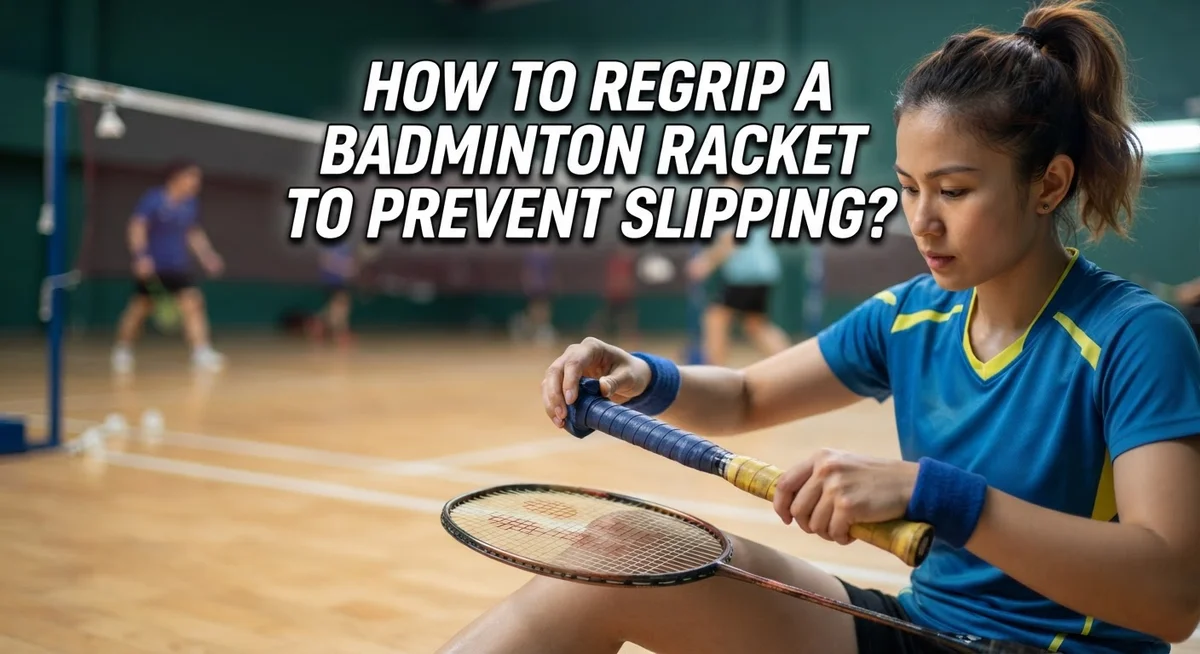
How to Regrip a Badminton Racket to Prevent Slipping?
A slipping racket mid-rally can cost you a crucial point. It can even lead to injury if the racket flies out of your hand. This is a problem many badminton players face, and the fix is simpler than you think.
Regripping your badminton racket is one of the most effective ways to restore control and confidence on the court. A fresh grip gives your hand something solid to hold onto, even when sweat builds up during intense play.
This guide walks you through everything you need to know. You will learn the difference between replacement grips and overgrips. You will also discover the correct wrapping technique to avoid uneven tension and bubbling.
Proper finger positioning plays a bigger role than most players realize. We cover that too, so your grip feels natural and secure from the first swing.
Whether you are a beginner or an experienced player, this article gives you clear, step-by-step instructions. By the end, you will know exactly how to regrip your racket and keep it from slipping again.
In a Nutshell
Here is a quick overview of what this article covers:
-
Worn grips cause slipping. Replacing your grip restores control and prevents accidents during play.
-
There are two grip types to know: replacement grips act as the base layer, while overgrips sit on top to absorb sweat.
-
Regripping is straightforward. You peel the adhesive tab, remove the plastic film, wrap the grip with slight overlap, and secure the end firmly.
-
Finger positioning matters more than most players expect. Your ring and pinky fingers are the most critical for preventing slipping mid-rally.
-
Replace overgrips every one to two weeks. Replacement grips can last up to three months with regular overgrip use on top.
-
Consistent wrapping tension is one of the most common mistakes players overlook. Uneven wrapping creates weak spots and reduces grip security.
Following these steps keeps your racket feeling stable and responsive every time you step onto the court.
Why a Worn Grip Causes Your Racket to Slip
A worn grip loses its texture and becomes slippery. The material breaks down from sweat, dirt, and constant hand contact. When this happens, your fingers slide across the surface instead of gripping firmly.
Your racket feels unstable during shots. You lose control over the shuttle’s direction and power. Even a small slip can throw off your timing and accuracy.
The rubber or synthetic material on old grips compresses over time. It no longer provides friction between your hand and the handle. Moisture makes this problem worse. Sweat creates a slick layer that your fingers cannot hold onto.
Worn grips also increase injury risk. Your hand works harder to maintain control. This extra effort strains your fingers, wrist, and forearm. You might unconsciously grip tighter to compensate, causing muscle fatigue and soreness.
The ring and pinky fingers suffer most from a slipping grip. These fingers anchor your racket during swings. When they cannot grip properly, your entire swing becomes inconsistent. Your shots lose power and accuracy.
A fresh grip changes everything. New material has better texture. It grips your hand naturally without requiring excessive force. The adhesive layer holds firmly to the handle. Your fingers stay in position throughout your swing.
Replacing your grip is not just about comfort. It directly affects your performance on the court. You hit harder, aim better, and play longer without fatigue. Your confidence grows when you feel secure holding the racket.
This is why regripping regularly matters so much. It prevents slipping before it starts. You maintain control and prevent injuries. Your game improves simply by keeping your grip in good condition.
Understanding the Two Types of Badminton Grips
Your badminton racket has two grip layers working together. Understanding both helps you maintain better control and prevent slipping during intense rallies.
Replacement grips form the base layer of your racket handle. This is the foundational grip that stays on your racket for extended periods. Replacement grips are thicker and more durable than other options. They typically last up to three months with regular use. These grips provide the main cushioning and support for your hand. The material is usually made from rubber or synthetic compounds that offer decent texture and comfort.
Overgrips sit directly on top of your replacement grip. They serve a specific purpose: absorbing sweat during play. Overgrips are thinner and wrap around the existing base layer. You replace them much more frequently, usually every one to two weeks. This frequent replacement keeps your grip fresh and tacky. Overgrips extend the life of your replacement grip underneath by taking the brunt of sweat exposure.
Both grip types work together as a system. Your replacement grip provides stability and cushioning. Your overgrip manages moisture and maintains surface texture. When either layer becomes worn, your racket starts slipping. A worn replacement grip feels hard and smooth, losing its grip entirely. A worn overgrip becomes slick from sweat buildup and dirt accumulation.
Most players focus on replacing overgrips regularly. This is smart because overgrips are cheaper and easier to replace. However, your replacement grip also needs attention. Once it becomes compressed or damaged, you must replace it completely. Understanding this two layer system helps you know when and what to replace. This knowledge keeps your racket performing at its best throughout the season.
Tools and Materials You Need Before You Start
Before you start regripping your badminton racket, gather the right tools and materials. Having everything ready makes the process smooth and prevents frustration halfway through.
You need a new grip as your main material. Choose either a replacement grip for the base layer or an overgrip for the top layer, depending on what you’re replacing. Both come rolled and ready to apply.
A sharp utility knife or scissors helps you remove the old grip cleanly. Dull blades make this step harder and can damage your racket handle. Cut carefully along the length of the old grip to peel it away.
You’ll want a clean cloth or towel nearby. Use it to wipe away any adhesive residue, dirt, or sweat from the handle after removing the old grip. A clean surface helps the new grip stick properly.
Have a ruler or measuring tape on hand. This helps you center the new grip on your handle and ensures even wrapping. Proper alignment prevents bunching at the end.
Rubbing alcohol or grip cleaner removes stubborn adhesive residue that soap and water won’t lift. Let the handle dry completely before applying your new grip.
A small weight or clamp can help hold the grip end in place while the adhesive sets. This prevents it from shifting during application.
Keep a towel or mat underneath your work area. Grip materials can be sticky, and you’ll want to protect your table or workspace.
Patience is your final tool. Regripping takes only 5 to 10 minutes, but rushing causes wrinkles or misalignment. Take your time for the best results.
Step-by-Step Guide to Regripping Your Badminton Racket
Start by removing your old grip completely. Hold the racket handle firmly in one hand and peel the old grip away from the top end. Work your way down slowly, pulling at a slight angle to avoid damaging the handle underneath. If adhesive residue remains, wipe it clean with rubbing alcohol on a cloth.
Now you’re ready to apply the new grip. Take your replacement grip and locate the adhesive tab at one end. Peel this tab back to expose the sticky surface. Remove the plastic film covering the grip material itself so the adhesive makes contact with the handle.
Position the grip at the top of your racket handle. The grip should start just below where your hand naturally rests. Begin wrapping it around the handle in a spiral motion, keeping tension consistent as you go. Overlap each wrap by about half an inch to ensure complete coverage with no gaps showing through.
Press firmly as you wrap to activate the adhesive properly. Work your way down the handle until you reach the end. Secure the final edge by pressing it down hard for several seconds. Some people use a small weight on top while the adhesive sets, which takes about five to ten minutes.
Trim any excess material at the bottom using sharp scissors or a utility knife. Make clean cuts at a slight angle so the edge sits flush against the handle. Let the grip cure for at least thirty minutes before playing.
Test your grip by holding the racket naturally. Your fingers should feel secure without slipping. The handle should feel comfortable in your palm with good texture underneath.
How to Hold the Racket Correctly After Regripping
Your hand position matters just as much as the grip itself. A fresh grip works best when you hold it correctly. Let’s break down the proper technique.
Start by placing your racket in your non dominant hand. Hold the handle loosely at first. This lets you position your fingers without tension.
Now use your dominant hand to grip the handle. Position your index and middle fingers on one side of the handle. These two fingers provide your main control point. Wrap your ring finger and pinky finger around the opposite side. This creates a secure foundation that prevents slipping during fast movements.
Your thumb sits over the wrapped fingers. It doesn’t grip tightly. Instead, it rests naturally and provides light pressure. This thumb position keeps your wrist stable during shots.
Keep your index finger slightly elevated compared to your other fingers. This small adjustment gives you better racket head control. Your grip should feel firm but not tense. Tension in your hand actually causes slipping because your muscles fatigue faster.
The ring and pinky fingers do most of the work in preventing slips. They anchor your racket when you swing. Many players ignore these fingers and focus only on their thumb and index finger. That’s a mistake that leads to dropped rackets.
Your grip pressure changes during play. Light grip during backswings. Firm grip during contact with the shuttlecock. This rhythm becomes natural with practice.
Test your grip by shaking the racket gently. The racket should stay in your hand without rolling. If it rotates, adjust your finger positions. Your fingers should feel comfortable, not cramped. A proper grip lets you play for hours without hand fatigue.
Common Regripping Mistakes That Lead to Slipping
Many players make simple mistakes during regripping that directly cause slipping problems later. Understanding these errors helps you avoid them and keep your racket secure in your hand.
Wrapping too loosely is the most common mistake. When you apply your new grip, you need consistent tension throughout the entire wrap. Loose sections create gaps where your hand can shift during play. The adhesive won’t activate properly either if you don’t press firmly as you wrap. This leads to a grip that peels away or moves on the handle.
Overlapping unevenly causes another major problem. Your grip needs consistent overlap as you spiral down the handle. Some players overlap too much in one section and barely at all in another. This creates weak points where slipping starts. The grip should overlap by about half an inch on each rotation around the handle.
Skipping the old grip removal step leaves residue behind. Old adhesive and debris prevent your new grip from bonding properly to the handle. Even small amounts of leftover material create slippery zones. Always clean the handle thoroughly before applying your replacement grip.
Delaying grip replacement when worn is equally important to avoid. A grip that’s already breaking down won’t perform well no matter how perfectly you apply it. Worn grips lose their texture and stickiness. They can’t absorb sweat effectively either. Replace your overgrip every one to two weeks if you play regularly. Replace your base grip every three months.
Incorrect hand positioning after regripping undermines all your hard work. Even a perfect grip fails if your fingers don’t engage properly. Your ring and pinky fingers must apply steady pressure throughout play. Test your grip before you play by holding the racket and checking for movement.
How Often Should You Replace Your Badminton Grip
Your grip doesn’t last forever. Understanding replacement timing keeps your racket performing at its best.
Overgrips need the most frequent replacement. These thin layers sit on top of your base grip and absorb sweat during play. Most players should replace overgrips every one to two weeks, depending on how often you play and how much you sweat. If you play daily, you might need a new overgrip weekly.
Replacement grips last much longer. The base grip underneath can stay on your racket for up to three months with proper care. This assumes you’re using overgrips on top, which protect the base layer from constant moisture and friction.
Watch for these warning signs that your grip needs replacing. A worn grip feels slippery even with dry hands. You might notice the surface becoming smooth or shiny instead of textured. Some players see visible cracks or peeling edges developing.
The timing also depends on your playing style. Aggressive players who grip tightly wear out grips faster. Players in humid climates need replacements more often because sweat breaks down grip material quickly.
Don’t wait until your grip is completely worn. Delaying replacement causes the slipping problems you’re trying to prevent. A slightly worn grip already reduces your control and increases injury risk.
Many players keep a schedule. Mark your calendar for grip replacement dates. This simple habit prevents the frustration of sudden slipping during important matches.
If you play casually just a few times monthly, your grip might last longer. But if you’re serious about badminton, plan on regular replacements. Your performance and safety depend on it.
Tips for Maintaining Your Grip Between Replacements
Your grip needs care between full replacements. Simple daily habits keep your racket in top shape and prevent slipping when you need it most.
Wipe your grip after every practice session. Sweat and dirt build up on the surface and make it slippery. Use a dry cloth or towel to remove moisture and debris. This simple step extends your grip’s life significantly.
Store your racket properly in a cool, dry place. Heat and humidity damage grip materials faster. Avoid leaving your racket in hot cars or damp bags. A protective racket cover works well for storage between matches.
Check your grip regularly for wear signs. Look for shiny spots, cracks, or areas where the material pulls away from the handle. These spots show your grip is breaking down. Press down gently on the grip surface. If it feels loose or spongy, replacement time is near.
Keep your hands clean before playing. Oils from your skin transfer to the grip and reduce traction. Wash your hands before each session for better grip security.
Consider using a grip maintenance spray or light cleaning solution designed for racket grips. Apply it sparingly and wipe dry immediately. Never soak your grip in water.
Rotate between multiple rackets if you play frequently. This gives each grip time to dry completely between sessions. Moisture trapped inside causes faster deterioration.
Monitor your playing frequency. Players who practice several times weekly need grip maintenance more often than casual players. Track when you last replaced your grip. Set reminders on your phone to check grip condition every few weeks. Staying ahead of wear prevents frustrating slipping during important matches.
Final Thoughts
A well-wrapped grip makes a real difference in your game. Slipping happens when your grip wears out or gets wrapped incorrectly. Now you know exactly how to fix both problems.
The process is straightforward. Peel back the tab, remove the plastic film, and wrap with steady, even tension. Small details like overlap consistency and secure ends matter more than most players realize.
Your finger placement matters just as much as the wrap itself. Two fingers guide the handle, three wrap around it, and your thumb sits on top. This technique works together with your grip to stop slipping before it starts.
Replacement grips and overgrips serve different purposes. Overgrips handle sweat and need changing every one to two weeks. Your base replacement grip can last up to three months with proper care.
Don’t ignore the warning signs. A shiny, smooth, or loose-feeling grip means it’s time to regrip. Waiting too long creates the exact slipping problems you want to avoid.
Good habits between replacements extend your grip life significantly. Wiping down after sessions, storing your racket properly, and keeping your hands clean all help maintain grip performance.
Regripping is a simple skill that every badminton player should master. You don’t need professional help or special tools to do it well. Just follow the steps, check your technique, and stay on top of your replacement schedule.
Consistent grip care leads to consistent performance on the court. Your racket should feel like an extension of your hand, not something you’re fighting to hold onto.
Frequently Asked Questions
Why does my grip slip during play?
Grip slipping happens when your base layer wears down or your fingers don’t position correctly on the handle. Sweat builds up and reduces friction between your hand and the racket. Your ring and pinky fingers are most critical for preventing slips. When these fingers lose contact with the grip surface, the racket becomes unstable during shots.
Worn grips lose their texture over time. This makes it hard for your skin to grip the material. The problem gets worse when you play frequently or in humid conditions.
What’s the difference between replacement grips and overgrips?
Replacement grips form the base layer of your racket handle. They last up to three months and provide the foundation for your grip. Overgrips sit on top as a thin protective layer. They absorb sweat and extend your base grip’s life.
Most players use both together. The overgrip sacrifices itself to moisture while protecting the base layer underneath. This combination keeps your racket feeling fresh longer.
How tight should I wrap the grip?
Wrap the grip snugly but not painfully tight. Your fingers should feel secure without cutting off blood flow. Inconsistent wrapping tension causes uneven grip security across the handle.
Test your wrap by holding the racket in your normal playing position. Your grip should feel stable without feeling restrictive.
Can I extend my grip’s life?
Yes. Wipe your grip after every practice session to remove sweat and dirt. Store your racket in a cool, dry place away from direct sunlight. Check regularly for worn spots or peeling edges.
Keep your hands clean before playing. Dirt and oils speed up grip deterioration. These simple habits add weeks to your grip’s lifespan.

Virat is the founder and lead writer at ActivePlayFinds.com, where he shares honest, in-depth reviews, comparisons, and buying guides to help athletes and sports enthusiasts find the perfect gear. With a deep passion for sports and hands-on experience testing a wide range of products, he is committed to helping readers make smart, confident buying decisions.


