
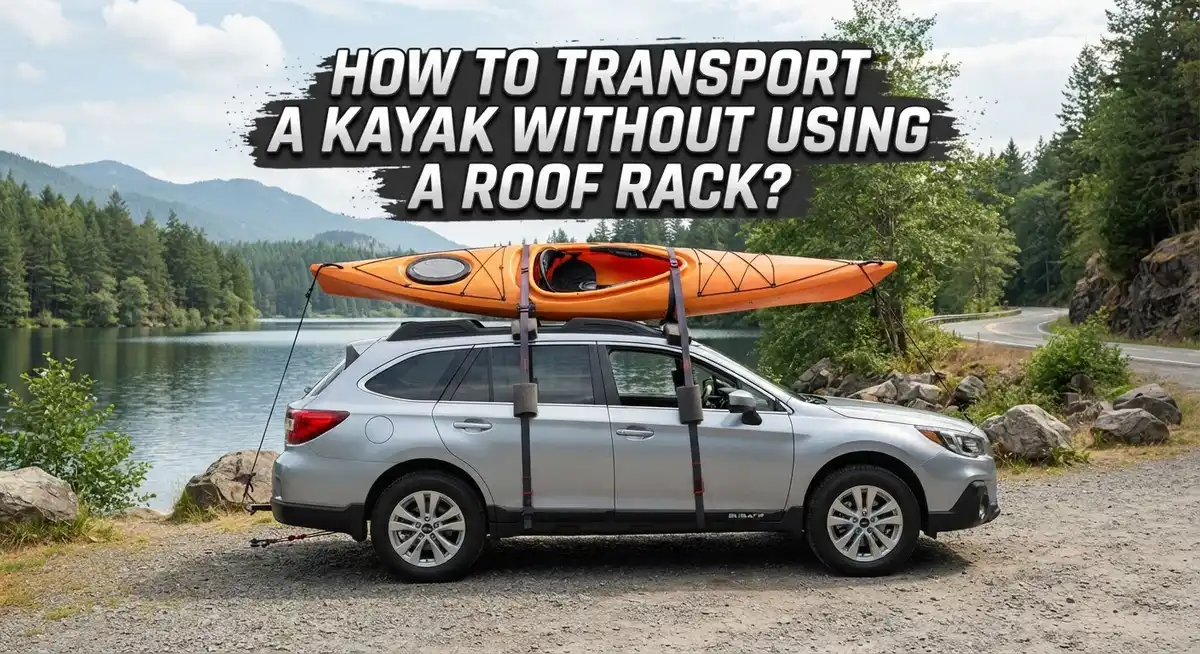
How to Transport a Kayak Without a Roof Rack?
Do you want to hit the water but your car has no roof rack? Don’t worry. You can still bring your kayak along.
Many paddlers think a roof rack is a must have item. That is simply not true. You have several other options to get your boat from home to the lake.
This guide will show you how to transport a kayak without any special roof gear. We will cover simple methods using items you may already own.
You will learn about foam blocks and how they protect your car roof. We will also show you the correct way to strap your kayak down using your car doors.
Truck beds, trailers, and even bike transport are other smart choices. Each method works well for different situations and budgets.
By the end of this article, you will know exactly how to secure your kayak safely. You will also learn about common mistakes to avoid.
These tips work great for any car, even one without roof rails. So let’s get your kayak ready for the next adventure!
In a Nutshell
Here’s a quick summary to help you transport your kayak with ease. Keep these points in mind before you hit the road.
-
Skip the roof rack. Use a truck bed, trailer, or even bike transport instead. These options work great for kayaks of any size.
-
Foam blocks protect your roof. Place them 2 to 3 feet apart, right over the doors. This keeps your kayak stable and your car safe.
-
Straps matter a lot. Use an X pattern with two straps instead of a straight line. This creates better balance and grip.
-
Run straps inside your car. Open the doors and pass straps through the interior. This method works even if your car has no roof rails.
-
Secure both ends. Tie the bow and stern with rope or bungee cords. This step stops your kayak from shifting during the trip.
-
Test before driving. Give your kayak a firm shake to check the setup. A secure kayak means a safer, stress free ride.
Why You Might Need a Roof-Rack-Free Method
Your car might not have a roof rack, but that doesn’t stop you from paddling. Many vehicle owners face this exact situation and still transport kayaks safely every day.
Roof racks cost money and require installation. Some cars don’t have mounting points at all. Older models, certain sedans, and compact vehicles often lack the factory support needed. Adding a permanent roof rack might not fit your budget or your lifestyle if you only paddle occasionally.
You might rent a kayak instead of owning one. Rental facilities often expect you to bring your own transport method. A roof rack seems wasteful for a single trip or weekend adventure. Temporary solutions work better when you’re not a regular paddler.
Weather damage affects roof racks over time. Salt air, UV rays, and temperature changes wear down metal and plastic parts. Storing a rack year-round takes garage or shed space. Some people prefer keeping their roof clean and uncluttered.
Flexibility matters for different vehicles. You might drive multiple cars throughout the year. One vehicle could have a roof rack while another doesn’t. Learning alternative methods means you can paddle from any car in your household.
Damage concerns are real. Roof racks can scratch paint during installation. They create wind noise and reduce fuel efficiency. Some drivers worry about vibration or loose fasteners over time.
Your kayak stays safer with alternatives. Foam blocks and interior straps distribute weight evenly without drilling holes. Truck beds and trailers offer completely different advantages. Understanding these options gives you control over how you transport your gear, regardless of what vehicle you own.
Essential Equipment for Rackless Kayak Transport
To transport a kayak without a roof rack, you need basic equipment that works with your vehicle’s existing features. These tools are affordable and reusable for many trips.
Foam blocks are your first essential item. They sit on your car roof and protect both the kayak and your vehicle’s paint. Place two or three blocks 2 to 3 feet apart, centered directly over the doors. This spacing distributes weight evenly and prevents roof damage.
Ratchet straps or cam buckle straps secure the kayak to the foam blocks. Choose straps that are at least 1 inch wide for better grip and safety. Avoid thin straps that can slip or damage your kayak’s surface.
Rope or bungee cords handle bow and stern lines. These prevent your kayak from sliding forward or backward during stops and turns. Quality rope doesn’t stretch like bungee cords, making it more reliable for longer trips.
Door edge protectors or towels prevent strap damage to your car’s interior. When you run straps through open doors, these guards keep edges safe from scratches and wear.
A firm tie down point matters too. Check that your kayak has attachment loops or handles where straps can connect safely.
Test equipment before your trip. Shake the kayak gently once everything is secured. Listen for creaking or movement. If something shifts, tighten straps or adjust foam block placement.
These items work together to create a stable, safe transport system. You don’t need expensive roof racks or professional installation. Most paddlers keep this equipment in their garage for quick setup whenever they head to the water.
Using Foam Blocks and Interior Straps: Step-by-Step
Foam blocks serve as your kayak’s protective foundation. These simple blocks distribute weight evenly across your vehicle’s roof and prevent direct contact between the kayak and your car’s surface. Position two foam blocks on your roof, centered directly over the doors. Space them 2 to 3 feet apart to match your kayak’s width.
Before placing anything on your roof, clean the surface thoroughly. Dirt and debris create friction that can damage both your kayak and vehicle. Dry foam blocks grip better than wet ones, so check weather conditions before loading.
Run your straps in an X pattern across the kayak. This diagonal approach prevents the kayak from shifting side to side. Start with one strap from the driver’s side front, crossing over the kayak to the passenger’s side back. The second strap goes from passenger’s side front to driver’s side back.
Open your vehicle’s doors and pass the strap ends through the interior. This routing method keeps straps secure and prevents them from sliding off the roof. Thread straps through the interior carefully to avoid damaging upholstery or getting them caught in door mechanisms.
Secure each strap tightly, but avoid over tightening. Over tightening compresses foam blocks unevenly and can crack your kayak. You should feel resistance when pulling the strap, but still be able to move it slightly with firm pressure.
Next, attach bow and stern lines using rope or bungee cords. These lines prevent forward and backward movement. Run the bow line through a loop or attachment point on your kayak, then secure both ends to your vehicle frame or bumper. Repeat this process at the stern.
Finally, test your setup before driving. Give the kayak a firm shake from multiple angles. If anything moves or shifts, tighten straps immediately and recheck all connections.
Securing the Bow and Stern for a Safe Ride
Your kayak’s bow and stern need extra attention during transport. These are the front and back ends of your boat, and they can shift or bounce if not properly secured.
Start by running a rope or bungee cord from your kayak’s bow loop through your vehicle’s front bumper area or a secure anchor point. This rope should be tight enough that it doesn’t move when you give it a gentle tug. The goal is to prevent forward movement, not to lift the kayak off the roof.
Next, secure the stern using the same method at your vehicle’s rear. Many people attach stern lines to the trailer hitch, bumper, or a secure loop on the back of the vehicle. Make sure this line is equally snug and won’t slip loose during driving.
Here’s an important tip: use separate ropes for bow and stern rather than one continuous line. This gives you better control and prevents the kayak from rotating if one side loosens.
Test your setup by gently shaking the kayak from different angles. It should feel solid and stationary. If any part moves or wobbles, tighten the corresponding rope or bungee cord.
Avoid over tightening these lines, as excessive pressure can crack your kayak’s hull or bend the structure. You want secure, not strangled.
Before hitting the road, do a final check of all connection points. Walk around your vehicle and visually inspect every knot and attachment. A few minutes of verification prevents problems miles away from home.
Alternative Transport Options: Truck Beds, Trailers, and Bike Carriers
Truck beds offer one of the simplest ways to transport your kayak without a roof rack. Place your kayak directly in the bed, with the bow pointing forward. Use foam padding or blankets underneath to protect the kayak’s hull from the metal surface. Secure the kayak with ratchet straps anchored to the truck bed’s tie down points.
Trailers are another excellent option for kayak transport. A utility trailer or small boat trailer can hold one or multiple kayaks safely. Position your kayak lengthwise on the trailer bed. Pad the contact points to prevent damage. Use straps to secure the kayak firmly to the trailer’s frame.
Bike carriers designed for vehicles can work for single kayaks on shorter trips. These carriers mount to your vehicle’s hitch receiver. However, they work best for lightweight kayaks only. Always check weight limits before using this method.
When choosing between these options, consider your vehicle type and trip distance. Truck beds work great for frequent kayakers with pickup trucks. Trailers suit people transporting multiple kayaks or traveling long distances. Bike carriers offer convenience for occasional users with compatible vehicles.
Each method requires proper securing techniques. Never rely on a single strap or tie down point. Distribute weight evenly across all contact surfaces. Check your setup before departing and during rest stops.
Test your chosen method with a short drive first. This helps you identify any shifting or movement issues early. Listen for unusual sounds or vibrations while driving.
These alternative options eliminate the need for roof racks entirely. They often provide better weight distribution than roof mounting. Your kayak stays protected while remaining easily accessible for loading and unloading.
Transporting Multiple Kayaks Without a Rack
Transporting multiple kayaks without a roof rack requires smart planning and proper spacing. The key is distributing weight evenly across your vehicle while keeping each kayak secure and stable.
Start by assessing your vehicle’s capacity. Most standard cars can safely carry two kayaks using foam blocks and interior straps. Larger vehicles like SUVs or trucks may accommodate three or more kayaks with careful arrangement.
Position your foam blocks strategically. Place the first set of blocks centered over your vehicle’s doors. Space additional block sets about two to three feet apart along the roof. This spacing prevents kayaks from touching each other and reduces movement during transport.
Arrange your kayaks with adequate spacing between them. Leave at least six inches between each kayak to allow air circulation and prevent rubbing. Stagger them slightly so they don’t create one large, unstable bundle on your roof.
Use separate strap systems for each kayak rather than one continuous strap across all of them. This approach gives you better control and prevents one kayak from shifting and affecting the others. Run each strap in an X pattern through your vehicle’s interior, using your open doors as anchor points.
Secure bow and stern lines on each kayak individually. This prevents kayaks from shifting forward or backward during acceleration or braking. Test each connection point firmly before driving.
Check your setup carefully before hitting the road. Shake each kayak gently to confirm they’re stable. Listen for any creaking or movement sounds. A short test drive around your neighborhood helps identify any issues before you travel longer distances.
Common Mistakes and How to Avoid Them
Many people make preventable errors when transporting kayaks without roof racks. Understanding these mistakes helps you protect your kayak and stay safe on the road.
Over tightening straps is the most common error. You might think tighter means safer, but excessive tension actually damages your kayak’s hull. The pressure can crack the plastic or fiberglass. Instead, tighten straps until they’re snug and secure, then stop. Your kayak should feel firmly held without any give, but the material shouldn’t bend or flex under the strap pressure.
Placing straps in a straight line across your kayak creates instability. This setup allows side to side movement during turns and stops. Always use an X pattern with your two main straps instead. This crossover design distributes pressure evenly and prevents shifting.
Neglecting bow and stern lines is another major mistake. Some people focus only on the main roof straps and forget about securing the front and back of the kayak. These lines prevent your kayak from sliding forward or backward during sudden braking or acceleration. Use separate ropes for each end rather than one continuous line.
Skipping the shake test before driving puts you at risk. Gently shake your kayak from different angles while it’s still in your driveway. This reveals loose connections you might have missed. Movement or rattling means you need to adjust your setup.
Finally, avoid checking your straps only once. Stop after 15 minutes of driving to verify everything remains tight. Straps can loosen as your vehicle settles and materials shift slightly. Quick periodic checks prevent accidents and kayak damage throughout your journey.
Troubleshooting: What to Do If Your Kayak Shifts or Straps Loosen
Your kayak can shift during transport for several reasons. Movement happens when straps loosen, foam blocks slip, or bow and stern lines weren’t secured properly from the start.
Check your straps immediately if you notice any shifting. Pull over safely and inspect each connection point. Look for straps that have worked loose from vibration or road bumps. Tighten them by hand first, then use your ratchet or cam buckle to increase tension gradually. Never over tighten, as this damages both your kayak and vehicle.
Examine your foam blocks next. These blocks can slide on smooth roof surfaces, especially during turns or sudden stops. Press them firmly back into their centered position over your vehicle doors. If blocks keep shifting, place a thin rubber mat underneath them for better grip.
Your bow and stern lines need special attention. These ropes or bungee cords prevent your kayak from sliding forward or backward. If they’ve loosened, retie them with firm knots. Make sure the bow line passes through a secure loop or anchor point on your vehicle’s frame.
Test everything again with a gentle shake before driving. Grab your kayak at different points and apply firm pressure. It should not move at all. If you feel any movement, repeat your inspection process.
Consider that loose straps often result from not using an X pattern with your main straps. Straight straps across your kayak allow more side to side movement. Reposition them in an X formation for better stability.
Stop every 30 to 45 minutes during longer trips to check your setup. Road conditions and vibration gradually loosen connections over time.
Final Thoughts
You don’t need a roof rack to transport your kayak safely. Foam blocks, straps, and a bit of planning get the job done well.
Your vehicle’s doors and interior become your anchor points. This simple trick works on almost any car, even ones without roof rails.
The X pattern strap method stays central to safe transport. It keeps your kayak from sliding side to side during turns and stops.
Remember that bow and stern lines matter just as much as your main straps. They stop forward and backward movement that regular straps can’t control.
Take time to test your setup before every trip. A quick shake test tells you everything you need to know about stability.
Practice makes this process faster and easier. Your first attempt might take twenty minutes, but soon you’ll have it done in five.
Weather and road conditions affect your setup too. Check your straps more often during windy days or on rough roads.
Distance matters when planning your trip. Longer drives need more frequent stops to check your kayak’s position.
Safety should always come first, no matter which method you choose. A properly secured kayak protects both your gear and other drivers on the road.
This approach works for solo trips and family outings alike. You can adjust your technique based on how many kayaks you’re carrying.
Many paddlers find these methods just as reliable as traditional roof racks. With the right foam blocks, straps, and technique, your kayak stays put from your driveway to the water.
Give these methods a try on your next adventure. You’ll likely find they work better than you expected.
Frequently Asked Questions
Can I transport a kayak on a car without a roof rack?
Yes, you can. Many vehicles work fine without roof racks. Your car’s doors and interior become anchor points instead. Foam blocks sit on your roof centered over the doors. Straps run through the open doors to secure everything. This method works on sedans, hatchbacks, and most standard vehicles.
What’s the best strap pattern for kayak transport?
Use an X pattern with two straps. This creates stability and prevents shifting. Never place straps in a straight line across your kayak. The X pattern distributes pressure evenly. One strap goes from front left to back right. The other goes from front right to back left. This crossing method keeps your kayak centered and secure.
Do I really need bow and stern lines?
Yes, absolutely. Main roof straps handle side to side movement. Bow and stern lines prevent forward and backward sliding. These ropes or bungee cords attach to your vehicle’s frame or bumper. They keep your kayak from shifting during braking or acceleration. Skip these lines and you risk serious problems on the road.
How tight should I make the straps?
Snug but not crushed. Over tightening damages your kayak and creates pressure points. You should fit one finger under each strap. Tight enough to prevent movement, loose enough to avoid harm. Test with a firm shake before driving. If your kayak moves, tighten slightly. If straps cut into the hull, loosen them.
How often should I check my kayak during transport?
Stop every 30 to 45 minutes on longer trips. Inspect each strap connection point. Check that foam blocks haven’t shifted. Verify bow and stern lines remain tight. Quick checks prevent problems before they happen. This simple habit keeps your kayak safe throughout your journey.

Virat is the founder and lead writer at ActivePlayFinds.com, where he shares honest, in-depth reviews, comparisons, and buying guides to help athletes and sports enthusiasts find the perfect gear. With a deep passion for sports and hands-on experience testing a wide range of products, he is committed to helping readers make smart, confident buying decisions.


