
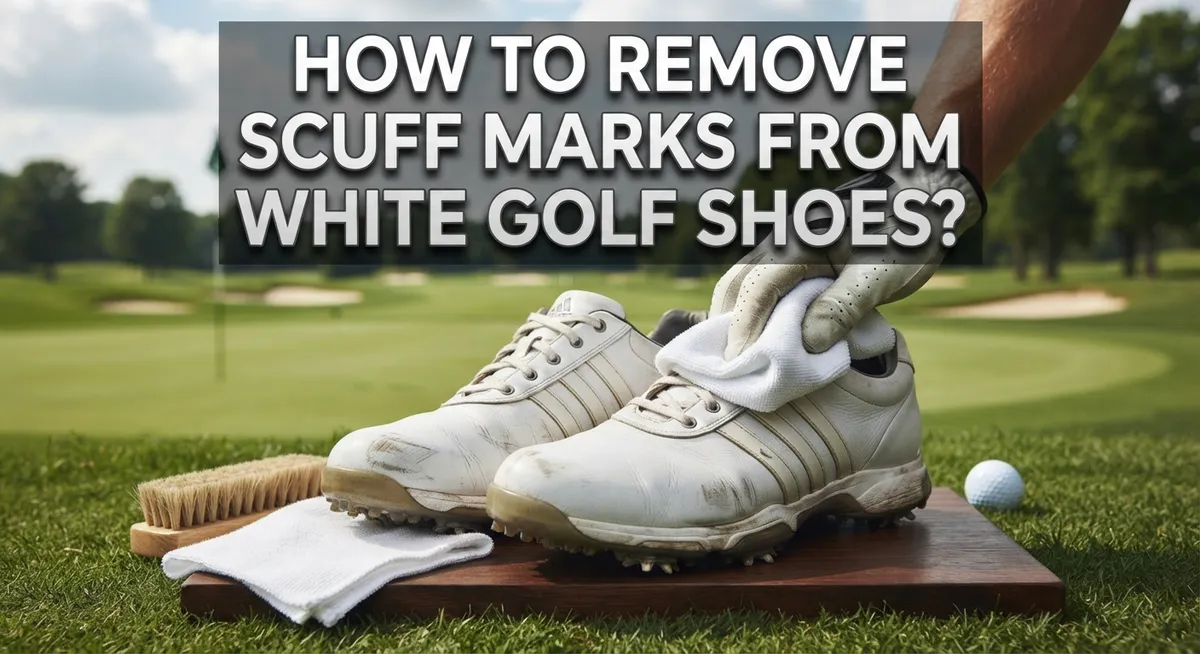
How to Remove Scuff Marks From White Golf Shoes?
White golf shoes look sharp on the course. But one wrong step and scuff marks appear, making them look worn and dull.
The good news? Most scuff marks are easy to remove with simple household items you likely already have.
Scuff marks happen to every golfer. Whether it’s from your golf bag, cart wheels, or rough terrain, those dark streaks on white leather are frustrating. Leaving them untreated can make the marks harder to lift over time.
This guide walks you through the most effective methods for removing scuff marks from white golf shoes. You will learn how to use everyday items like baking soda, white vinegar, rubbing alcohol, and even toothpaste to restore that clean, bright look.
We also cover the right technique for each method so you don’t accidentally damage the material.
Whether your shoes are leather, synthetic, or suede, there is a solution here for you.
By the end, you will know exactly how to keep your white golf shoes looking fresh, clean, and course-ready all season long.
In a Nutshell
Here is a quick summary of what you need to know:
-
Brush off loose dirt first before applying any cleaning agent. Skipping this step can grind dirt deeper into the material.
-
Baking soda paste, rubbing alcohol, and white vinegar are the most effective household solutions for scuff marks on white golf shoes.
-
Toothpaste and acetone also work well for stubborn marks. Use acetone carefully and only on synthetic or leather surfaces.
-
For suede golf shoes, a pencil eraser or specialized suede eraser is the safest option. Avoid liquid cleaners on suede when possible.
-
Always use gentle pressure when scrubbing. Aggressive rubbing can damage the shoe surface and make the scuff look worse.
-
Prevention matters just as much as cleaning. Use a natural leather conditioner regularly and store your shoes with shoe trees to keep them in great shape between rounds.
These simple steps will save your white golf shoes from looking worn and tired after just a few rounds on the course.
Why White Golf Shoes Are Prone to Scuff Marks
White golf shoes attract scuff marks easily because they’re worn in a high contact environment. Your shoes rub against golf bags, cart wheels, and rough grass constantly. The bright white surface makes every mark visible, even small ones that wouldn’t show on darker shoes.
The material of your shoes matters too. Leather and synthetic materials have smooth surfaces that scuff when they collide with rough objects. Suede is even more delicate and shows marks faster. Each material reacts differently to friction and pressure.
Scuff marks form in layers. First, dirt and debris stick to your shoe. Then friction causes the outer layer to scratch or discolor. Over time, these small scratches accumulate and become noticeable dark streaks across the shoe.
Golf course conditions make scuffing worse. Sand traps, wet grass, and hard cart paths all contribute to marking your shoes. Even walking on concrete paths before reaching the course adds wear. The more active you are on the course, the more contact your shoes experience.
Moisture also plays a role. Wet grass and morning dew soften the shoe material slightly, making it more prone to scuffing. When the material is moist, it accepts marks more easily than when completely dry.
The good news is understanding why scuffs happen helps you prevent them. Knowing the cause means you can take steps to protect your shoes. Regular cleaning stops dirt from embedding into the material. Proper storage prevents unnecessary creasing and damage between rounds.
White shoes simply demand more attention than other colors. However, this doesn’t mean they’re impossible to maintain. With the right knowledge and simple techniques, your white golf shoes can stay looking sharp all season.
What You Need Before You Start Cleaning
Gathering the right supplies before you start makes the cleaning process faster and more effective. You don’t need expensive products. Most items sit in your kitchen or bathroom already.
Start with basic cleaning tools. Grab an old toothbrush with soft bristles. A clean cloth or towel works well for applying solutions and drying. You’ll also want a small bowl for mixing paste or holding liquids.
For the actual cleaning agents, keep several options on hand. Baking soda mixed with warm water creates a gentle paste. White vinegar cuts through stubborn marks without harsh chemicals. Rubbing alcohol works fast on tough scuffs. Plain toothpaste (not gel) removes marks on leather and synthetic materials.
If your shoes have suede areas, a pencil eraser or regular eraser is your best friend. These tools lift marks without damaging delicate fibers.
For water and rinsing, use distilled water if possible. Tap water can leave mineral spots on white shoes. Have extra towels ready for drying afterward.
Check your shoe material first. This matters because leather, synthetic, and suede need different approaches. Look at a hidden area to test your chosen solution before applying it to visible scuffs.
Prepare your workspace too. Lay down newspaper or paper towels to protect your floor. Good lighting helps you see what you’re working on. Having everything within arm’s reach prevents interruptions during cleaning.
Finally, keep a small brush or cloth nearby for initial dirt removal. Loose particles can scratch shoes if you scrub over them. Taking five minutes to gather supplies saves you frustration later and gives better results on your white golf shoes.
How to Prepare Your Golf Shoes Before Treating Scuffs
Getting your white golf shoes ready for cleaning is just as important as the actual treatment itself. You want to set yourself up for success before you tackle those scuff marks.
Start by examining your shoes in good lighting. Look closely at the material to identify whether you have leather, synthetic, or suede surfaces. Different materials need different approaches, so knowing what you’re working with matters. Check the entire shoe, including the toe box, sides, and heel area where scuffs tend to cluster.
Remove all loose dirt and debris using a soft brush or dry cloth. Brush gently across the surface in one direction. Pay special attention to creases and seams where dirt hides. This step is crucial because dirt particles can scratch your shoes further when you start scrubbing. Let any trapped dust fall away naturally.
Next, assess how dirty your shoes are overall. If they’re very dusty or muddy, rinse them lightly under cool water first. Pat them dry with a clean towel. Never soak white golf shoes as excess water can damage the material and cause discoloration.
Gather all your cleaning supplies in one spot before you begin. Organize your tools so you can work efficiently without running around. Have your chosen cleaning agent ready, whether that’s baking soda, rubbing alcohol, or toothpaste.
Finally, prepare your workspace. Lay down an old towel or newspaper to catch any mess. Work in a well ventilated area, especially if you’re using rubbing alcohol or acetone. Keep paper towels nearby for quick cleanup.
This preparation takes just five minutes but saves you time and frustration during the actual cleaning process.
Step-by-Step Methods to Remove Scuff Marks From White Golf Shoes
Start by brushing away loose dirt with a soft brush or dry cloth. This initial step prevents you from grinding debris deeper into the shoe material during cleaning.
Baking soda paste works well for most scuffs. Mix baking soda with warm water until you get a thick consistency. Apply the paste directly to the scuffed area and gently scrub with an old toothbrush using circular motions. Rinse thoroughly with clean water and pat dry.
For stubborn marks, try rubbing alcohol on a soft cloth. Dab the affected area gently and let it sit for a minute. Wipe away the residue with a damp cloth. This method removes tough stains without damaging most shoe materials.
White vinegar is another effective option. Mix equal parts vinegar and water in a small bowl. Use a cloth to apply the solution and scrub gently. Rinse immediately with distilled water to prevent vinegar smell from lingering.
For really persistent scuffs, acetone (100% nail polish remover) works quickly. Apply a small amount to a cloth and rub the mark firmly. Work in a well ventilated area since acetone has a strong odor.
Toothpaste also removes light scuffs effectively. Use white toothpaste, not gel. Apply it to the scuff, scrub gently with a soft brush, then rinse completely.
After using any method, let your shoes air dry naturally away from direct heat. Never use a hair dryer or place them near radiators. Once dry, your white golf shoes should look noticeably cleaner and fresher for your next round.
How to Tackle Stubborn or Deep Scuff Marks
When standard cleaning methods don’t work, deep scuff marks need extra attention. These marks go beyond the surface and require more aggressive treatment while still protecting your shoe material.
Start with rubbing alcohol for tough spots. Apply it directly to a soft cloth and rub the scuffed area with firm pressure. This method works fast because alcohol breaks down the mark at a deeper level. Let the alcohol evaporate naturally, then check your progress.
If rubbing alcohol doesn’t fully remove the mark, acetone is your next option. Use 100% acetone and apply it sparingly to avoid damaging the shoe’s finish. Rub the area with steady, firm pressure using a clean cloth. Work in small circular motions rather than scrubbing back and forth. This prevents spreading the damage across your shoe.
For stubborn marks on leather areas, combine baking soda paste with a harder brush. Mix baking soda with warm water until thick, then apply it to the scuff. Use an old toothbrush and scrub with moderate pressure. Don’t press too hard or you’ll damage the material underneath.
After treating deep scuffs, always rinse thoroughly with distilled water. Use a damp cloth to wipe away any cleaning residue. Pat the area dry with a clean towel.
Prevention is easier than removal, so apply these treatments as soon as you notice deep scuffs. The longer you wait, the more set in the mark becomes. Regular maintenance between uses keeps your white golf shoes looking fresh and reduces the need for intensive cleaning sessions.
Common Mistakes to Avoid When Cleaning White Golf Shoes
When cleaning white golf shoes, many people make errors that actually damage the material instead of helping it. Understanding these mistakes helps you protect your shoes while removing scuffs effectively.
Scrubbing too hard is the biggest mistake most people make. Aggressive scrubbing can scratch leather, damage the shoe’s finish, or push dirt deeper into the material. Use gentle, circular motions instead. Light pressure combined with the right cleaning agent works much better than force.
Skipping the initial dirt removal step causes problems later. Loose debris acts like sandpaper when you scrub. Always brush away surface dirt with a soft cloth or brush first. This simple step prevents you from grinding particles into your shoes.
Using the wrong cleaning agent for your shoe material matters significantly. Not all methods work on every surface. Leather shoes need different care than synthetic materials. Test any cleaning solution on a hidden area first to check for discoloration.
Applying too much liquid is another common error. Excess moisture seeps into the shoe, causing mold, odor, or structural damage. Use a damp cloth, not a soaking wet one. Wring out your cloth before applying it to your shoes.
Rushing the drying process causes lasting damage. Never use direct heat like hair dryers or radiators. Air dry your shoes naturally in a well ventilated area away from sunlight. Quick drying methods can warp the shoe shape permanently.
Finally, avoid mixing cleaning agents together. Different products can create chemical reactions that damage the material. Stick with one method at a time. If it doesn’t work, rinse completely before trying something else.
How to Prevent Scuff Marks and Keep White Golf Shoes Looking Fresh
Keeping your white golf shoes fresh requires simple daily habits. The best prevention starts with regular maintenance between rounds of golf.
Store your shoes properly to avoid unnecessary creasing and scuffing. Use shoe trees or stuff them with newspaper to maintain their shape. This prevents the material from folding in ways that create marks. Keep them in a cool, dry place away from direct sunlight, which can yellow white leather over time.
Clean your shoes regularly to stop dirt buildup. A soft brush or dry cloth removes loose debris after each use. This simple step prevents particles from grinding into the material and causing damage.
Apply a leather conditioner every few weeks. A natural conditioner keeps the leather soft and resistant to scuffs. Conditioned leather resists marks better than dry material. This protective layer acts like a shield against everyday wear.
Wear your golf shoes only on the course. Avoid walking in them during daily activities. This reduces exposure to rough surfaces that cause scuffs. The more you limit their use, the longer they stay pristine.
Check your shoes regularly for early signs of marks. Catching scuffs early makes removal much easier. Fresh marks respond better to gentle cleaning methods than old, set-in damage.
Store them away from heat sources and humidity. Extreme conditions weaken the material and make it more prone to damage. A stable environment keeps leather in better condition.
Wipe them down after each use with a soft, damp cloth. This removes salt, moisture, and debris before they dry on the surface. Quick attention prevents marks from becoming permanent.
These prevention habits take minimal time but deliver maximum results. Fresh shoes perform better and look more professional on the course.
How to Care for Different White Golf Shoe Materials
White golf shoes come in different materials, and each one needs specific care. The main materials you’ll encounter are leather, synthetic leather, and mesh. Understanding your shoe’s material helps you choose the right cleaning method.
Leather shoes are durable and respond well to gentle treatment. Start by brushing off surface dirt with a soft brush. Then apply a baking soda paste mixed with warm water. Use an old toothbrush to gently scrub the scuffed area. Rinse thoroughly with clean water and let them air dry. Leather also benefits from a natural conditioner applied every few weeks between cleanings.
Synthetic leather requires similar care but is more forgiving. You can use rubbing alcohol on a soft cloth for stubborn marks. Rub gently in circular motions. This material handles slightly more aggressive scrubbing than real leather, but stay gentle to avoid damaging the finish. Always rinse after using alcohol to remove any residue.
Mesh materials need the lightest touch of all. Avoid acetone and strong solvents on mesh areas. Instead, use a toothpaste and water mixture. Apply it gently and scrub with a soft brush. Mesh can absorb too much liquid, so use minimal water when rinsing.
For all materials, the key is starting with the gentlest method first. If baking soda paste doesn’t work, move to rubbing alcohol. Save stronger solutions like acetone only for leather areas when nothing else works.
Store your shoes with shoe trees to maintain shape and prevent new scuffs. Clean them regularly after each use to stop dirt from settling into the material. This prevents scuff marks from forming in the first place.
Final Thoughts
Keeping your white golf shoes scuff-free is very manageable with the right approach. The methods covered in this guide work well when you apply them correctly and consistently.
Start with the gentlest option first. A baking soda paste or a simple eraser handles most light marks without any risk of damage. Move to stronger options like rubbing alcohol or acetone only when needed.
The material of your shoe always guides your method. Leather, synthetic, and mesh surfaces each respond differently to cleaning agents. Knowing what your shoes are made of saves you from accidental damage.
Timing matters more than most people realize. Treating a scuff early is always easier than waiting. Fresh marks respond faster and require less effort to remove.
Gentle pressure is always the right choice. Whether you use a toothbrush, cloth, or eraser, slow and steady scrubbing protects the surface while still lifting the mark.
The prevention habits you build now will reduce how often you need to clean. Wiping shoes down after each round, using shoe trees, and conditioning leather regularly all extend the life of your footwear.
Do not skip the initial dirt removal step before applying any cleaning agent. Dirt trapped under a cleaning solution can cause more scratching than the original scuff.
Every method in this guide uses simple household items that are easy to access and safe to use on golf shoes.
With consistent care and the right technique, your white golf shoes can stay looking sharp for many rounds to come. Small habits make a big difference over time.
Frequently Asked Questions
Can I use acetone on all types of white golf shoe materials?
Acetone works best on leather and synthetic leather shoes. It removes tough scuff marks quickly through firm rubbing. However, mesh materials need gentler treatment. Always test acetone on a hidden area first. If your shoes have mesh panels, stick with baking soda paste or a pencil eraser instead.
What’s the safest way to scrub without damaging the shoe?
Use gentle, circular motions with light pressure. An old toothbrush or soft cloth works perfectly. Never scrub hard or aggressively. Let the cleaning agent do the work rather than your elbow. Patience beats speed every time. If marks don’t fade after two minutes of gentle scrubbing, switch to a different method.
How long should I wait before wearing cleaned shoes?
Allow your shoes to air dry completely. This typically takes two to four hours depending on humidity. Don’t use heat sources like hair dryers or radiators. Rushing the drying process can cause permanent damage. Once fully dry, your shoes are ready for the course again.
Why should I remove dirt before applying any cleaner?
Dirt particles act like tiny scratches when you scrub. Cleaning over dirt spreads it around and creates more marks. A quick brush with a soft cloth removes surface debris first. This simple step makes your chosen cleaning agent far more effective. You’ll see better results and need less scrubbing time.
Is baking soda paste safe for fresh scuffs?
Yes, baking soda paste is one of the safest options available. Mix baking soda with warm water until you get a thick consistency. Apply it directly to scuff marks. Let it sit for five to ten minutes. Gently scrub with a soft brush, then rinse thoroughly with clean water.

Virat is the founder and lead writer at ActivePlayFinds.com, where he shares honest, in-depth reviews, comparisons, and buying guides to help athletes and sports enthusiasts find the perfect gear. With a deep passion for sports and hands-on experience testing a wide range of products, he is committed to helping readers make smart, confident buying decisions.


