Chamois Butt’r Original Review: Does This Chamois Cream Stop Cycling Chafing?
Long rides can be tough on the skin. Friction builds up fast, and chafing can ruin a good day on the bike. Many riders search for a simple fix that works.
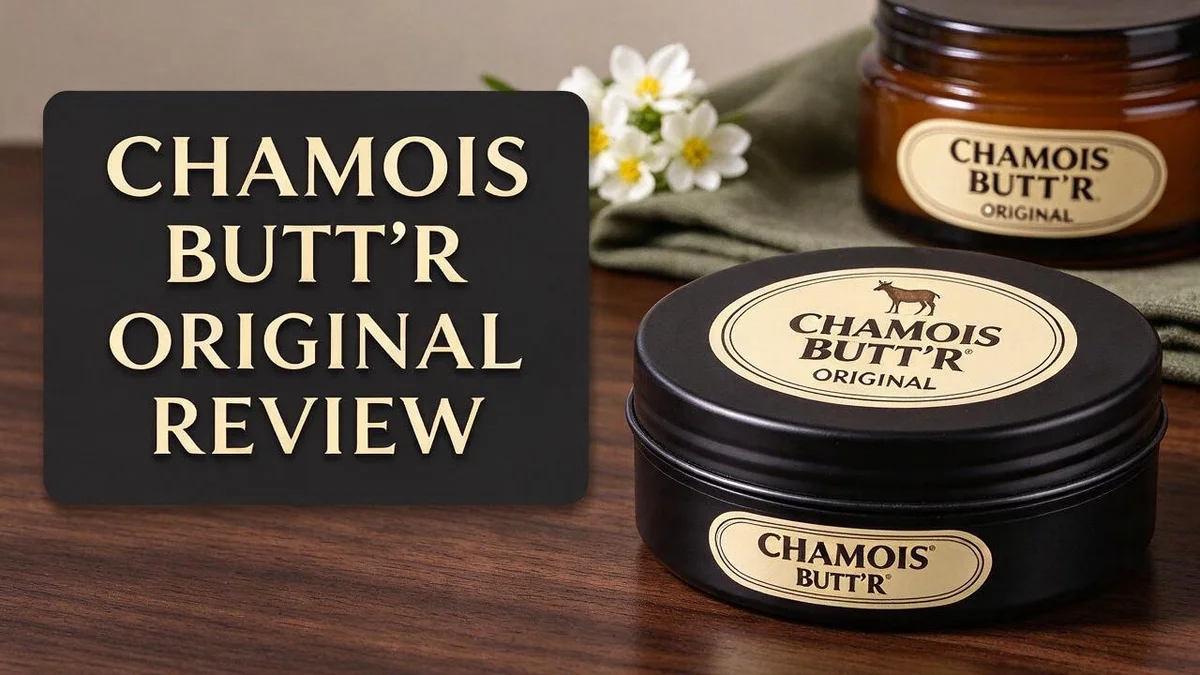
That is where Chamois Butt’r Original comes in. Cyclists created this skin lubricant for use with every chamois. It sits on bike shop shelves across the country, so it is easy to find.
In this review, we look at how it really performs. We cover the good, the bad, and how it stacks up against rivals.
Stick around to see if it earns a spot in your kit.
In a Nutshell
Here is the quick take on this cycling product.
- It keeps things clean: The formula leaves no greasy mess on your skin. It also washes out of your shorts with soap and water.
- It works fast: Many riders feel relief right after they apply it. They do not need to wait long for results.
- It calms sore skin: Chafed areas often feel calmer after a long ride. The cream supports skin that already feels raw.
- It comes in two sizes: You can pick an 8 oz tube for easy carrying. The 32 oz bottle suits frequent riders and resists water.
- It has hot weather limits: Some riders say their shorts feel rough in heat. One user reported little help on a hot day.
- It needs a test ride: One anecdotal online report claims problems grew with occasional use. Try it on short rides first.
Texture and Application

- Our value size 32 oz bottle (1 quart) is now in a tube
- New squeeze tube makes dispensing even easier
Last update on 2026-11-26 / Affiliate links / Images from Amazon Product Advertising API
The texture feels smooth and light. Many riders describe it as a cream that glides with ease. It never feels heavy or sticky between your fingers.
Because the cream spreads so well, a small amount goes a long way. Most riders use a dab about the size of a pea for each ride.
Too much can leave the pad feeling slick, so start small. Add more only if you feel dry spots during the ride.
Warm the cream first. Rub a little between your fingers before you apply it. This step spreads the product evenly and helps you avoid clumps.
Application takes only a few seconds. Many riders spread a thin layer directly on the chamois pad. Some also add a little to their skin for extra coverage.
Apply it before you pull on your shorts. This keeps the cream from smearing on your clothing before the ride starts.
Using the pad as the main target keeps your skin feeling clean. It also helps the cream stay where friction is highest.
Thinner than creams like Ruby Lube, Butt’r feels less like a paste. Riders who want a firm cream that stays put may prefer a thicker option. Riders who dislike heavy residue often find this lighter feel more pleasant.
Reapplication is simple on longer days. A quick top up at a café stop takes only a moment. Wash your hands first so dirt does not mix into the cream.
Cleanup fits into your normal routine. The cream rinses away with regular soap and water. You can wash your shorts with your usual laundry.
A little patience goes far here. Each rider’s skin reacts in its own way, so note how your skin feels after each outing.
Overall, the texture suits riders who want a smooth glide without heavy coverage. Your skin type and ride length will decide if it matches your needs. Test a small amount before your next long outing.
Chafing Protection and Skin Comfort
Chafing happens when skin rubs against fabric. Sweat and heat make that rubbing worse. A good cream reduces friction so the skin can stay calm.
Riders often feel the first sting in the saddle area after an hour or two. Friction builds up fast on bumpy roads and during steady climbs. This product creates a slick barrier that helps skin glide instead of drag.
Think of it as a shield for the spots that touch the saddle. Inner thighs, the sit bones, and the groin area all deserve attention. Covering these zones before the ride gives the best defense.
Moisture matters just as much as friction. Sweat softens skin, and soft skin tears more easily. Damp skin can rub raw in a short time. Many cyclists find that a thin layer helps manage this damp feeling over longer hours in the saddle.
Timing also plays a role. Riders should apply the cream before every ride, not only when pain starts. Early protection works better than trying to fix redness later.
Commuters may also benefit. A short daily ride can still cause irritation, especially on days with stop and go traffic. Beginners often face the most trouble because their bodies have not adapted to the saddle yet.
Dry days still call for care. Cold air can dry out skin and make it crack during long winter rides. A light layer keeps the surface supported when the weather turns harsh.
Skin care does not stop when the ride ends. A gentle wash after riding removes sweat and salt. Healthy skin recovers faster and feels less raw the next day.
Keep in mind that cream is only one part of comfort. A well fitted pair of shorts, a clean chamois, and a saddle at the right height matter too. Pairing good gear with a simple skin routine gives the strongest protection.
Performance in Hot Weather
Hot weather tests every chamois cream. Heat changes how your skin feels, and it can change how the product behaves too.
Some riders notice the cream thins out as the day warms up. Others feel it stops feeling steady on the pad during long efforts.
One rider in our research said it did not help much in the heat. This shows that no cream works for every ride.
Sweat plays a bigger role in summer. Your body makes more of it, and sweat can carry the cream away from the areas that need it most. Salt can also sting when it mixes with the product.
Long summer rides can last several hours under strong sun. Sun exposure adds stress to your skin, so plan your route around cooler parts of the day.
Plan a quick check during these rides. A thin layer added at a café stop may help on hot days. Keep the amount small so the pad does not feel slick.
Breathable shorts matter too. Lighter fabric lets air move around your skin, so the pad can stay drier. Loose seams and a smooth pad also reduce rubbing when your skin is hot and damp.
Rinse off soon after you finish. Warm skin and salty sweat can irritate skin if cream sits too long. Use soap and water, then change into dry clothes.
Cool down before you clean up. A cool shower or a damp towel can calm warm skin after a hard ride.
Finally, test the cream on a short hot ride first. Notice how your skin feels at the end. Your own results tell you more than any label.
Top 3 Alternatives
Looking for a different option? These three products make strong alternatives. Each one helps reduce friction and chafing on long rides.
Assos Chamois Creme

- ASSOS’ legendary chamois crème is a pre-ride necessity that reduces friction-caused irritation, rehydrates and...
- Chafing and saddle sores are common problems for professional and amateur cyclists alike, so we specifically...
Last update on 2026-11-26 / Affiliate links / Images from Amazon Product Advertising API
This Swiss-made cream has a long history with serious cyclists. It creates a smooth barrier between your skin and the padding. Many riders like how well it lasts through long, hot rides. It works best for people who want a classic, proven formula that has earned trust over many seasons.
Squirrel’s Nut Butter

- Anti-Chafe, Running Salve
- MULTI PURPOSE SALVE FOR EVERYONE: Awarded "Best in Category" by UltraRunning Magazine

Last update on 2026-11-26 / Affiliate links / Images from Amazon Product Advertising API
This option takes a more natural route. It uses plant-based ingredients and a simple recipe. *It feels light on the skin and rinses off easily after a ride. Riders with sensitive skin often try it for everyday comfort, both on and off the bike.
Hoo Ha Ride

- Made Versatile for Women: Developed for use on sensitive areas like "girlie parts," our chamois cream can be used...
- No More Chafing and Discomfort: Our anti chafing cream for women and men keeps skin moisturized and shielded from...
Last update on 2026-11-26 / Affiliate links / Images from Amazon Product Advertising API
This cream focuses on comfort for every type of rider. It glides on without a greasy mess. Many cyclists keep a small tube in their bag for quick touch ups during longer routes. It suits anyone who wants a gentle, easy to use product that fits into a regular riding routine.
Choose the one that matches your skin type, ride length, and comfort needs. Each option can help you enjoy your time in the saddle a little more.
Sizes and Packaging
The Chamois Butt’r Original comes in two sizes. Riders can pick an 8 oz tube or a 32 oz bottle. Each size suits a different riding style.
The 8 oz tube suits casual riders. A tube is easy to carry in a jersey pocket or a small kit bag. It also fits well in a bathroom cabinet at home.
The 32 oz bottle suits frequent riders and teams. Someone who rides several times a week will go through a tube quickly. A larger bottle lasts much longer.
The bottle is water-resistant. Rain and sweaty kit can soak a gear bag. A water-resistant bottle helps keep your other supplies dry.
Both packages work well for travel. Keep the cap closed tightly after each use. Store the cream somewhere cool and dry so it keeps its smooth texture.
Bike shops stock the product widely. Staff can help you pick the right size for your riding habits.
Think about how often you ride. Light riders may never need a bottle.
Heavy riders or group leaders often find the bottle more practical. Start with the tube if you are unsure, then upgrade later.
Check the packaging before you buy. Look for a clean seal and an intact cap. A damaged package can let air in and dry out the cream.
Packaging also matters for hygiene. Use clean hands each time you apply the cream. Dirty fingers can add germs to the tube, which shortens its life.
Plan for your gear list. Pack the tube in the same spot every ride. This habit helps you avoid forgetting it. A visible spot in your bag also makes restocking simple.
Remember that size affects storage at home too. A big bottle takes up more shelf space. Measure your cabinet before you buy a larger size.
In short, the tube fits casual use and the bottle fits heavy use. Pick the size that matches your ride schedule.
Cleanup and Chamois Compatibility
Cleanup starts with the right soap. Use a mild, unscented soap on your skin and shorts. Harsh cleansers can dry out skin that already feels sore.
Chamois Butt’r is made for all chamois types. It works with synthetic pads, thick padded liners, and lighter race liners alike. Your cleanup routine should suit the pad you own.
Pad care matters as much as skin care. Cream can build up on the chamois over time. Wash the pad by hand or on a gentle cycle. Turn your shorts inside out before washing so the pad gets the most attention.
Hand washing works well for delicate pads. Fill a basin with cool water and a few drops of mild soap. Swish the shorts gently, then rinse until the water runs clear.
Skip fabric softener. It can coat the padding and reduce how well the fabric wicks sweat. Many riders do not realize this until their shorts feel stiff or hold odor.
Dry your shorts the right way. Air dry them away from direct sun. High heat can weaken elastic and stretch the pad. Lay the shorts flat or hang them by the waistband.
Check the chamois before the next ride. Look for stains, stiff spots, or cream that did not wash out. Clean padding feels soft and flexible when you press it between your fingers.
Rotate two pairs of shorts if you ride often. Each pair gets a full wash and a full dry between rides. Shorts that dry fully stay fresh longer and hold their shape.
Compatibility also depends on your kit. Some pads have seams or perforations that trap product. Clean those areas with extra care, and give them a second rinse if needed.
A simple routine saves time. Wash, dry, inspect, and store your shorts in a cool, dry drawer. Clean gear lasts longer and feels better on the bike.
Pros and Cons
Pros
- No greasy residue after you ride
- Immediate comfort once you apply it
- Soothes skin that is already chafed
- Rinses out easily with plain soap and water
- Contains no artificial fragrances or colors
Cons
- One anecdotal online report says it made problems worse with occasional use
- It may not fix irritation caused by poorly fitting shorts
- Some riders find it less stay-put than thicker creams
- Results vary from rider to rider
Who Should Buy It
Chamois Butt’r Original fits many kinds of riders. It suits people who want a simple skin lubricant for any chamois. Most cyclists find it a practical part of their gear.
New riders often feel rough skin during early rides. This cream gives them a gentle layer that cuts down on rubbing. It also builds a simple habit that protects their skin from day one.
Long distance riders face the most friction. Century rides and tours that last several days put steady pressure on the skin. A lubricant like this helps keep the area comfortable when the miles add up.
Riders with mild chafing may gain the most. The formula soothes skin that already feels raw. Still, anyone with open sores or deep irritation should see a doctor rather than rely on a cream.
Riders who ride in cool weather usually see the best results. Users report that shorts can turn rough in hot conditions. Cooler rides let the product do its job with fewer complaints.
Riders with sensitive skin should test a small area first. Every body reacts in its own way. A quick patch test on the inner thigh can prevent surprises on a long ride.
Riders who sweat heavily may want a thicker option. Ruby Lube and Zealios Betwixt often feel sturdier during hard efforts. Pick the cream that matches your climate and your sweat level.
Commuters and social riders take shorter trips but still face friction. Light use of this cream can suit their routine. Watching for early redness after each trip helps them act fast.
Triathletes rely on fast transitions and tight schedules. Applying this cream takes only a moment before the ride.
Think about your riding style first. Match the product to your mileage, climate, and skin type. That simple check helps you choose with confidence and keeps every ride more comfortable.
Final Verdict
Our final verdict is positive, but it comes with clear limits. Chamois Butt’r Original gives most riders a smooth and comfortable ride. It is a dependable choice for daily training.
The formula feels light on the skin. You will not feel a heavy film once the ride ends. That makes it easy to live with.
The biggest question is your climate. Hot days can change the picture. Some riders report that their shorts felt abrasive when temperatures climbed. Keep that in mind before you commit.
Think of it as one tool in your kit. It handles friction well on most routes. It may not solve every problem, especially for riders dealing with poorly fitting gear.
Keep your expectations realistic. A few anecdotal reports describe problems after occasional use. These stories are rare, yet they deserve attention. Watch how your skin reacts over several rides.
Who should buy it? Cool weather riders who want quick relief will likely love it. Riders with mild chafing often notice the biggest difference. Heavy sweaters may want a thicker cream instead.
Looking at alternatives is smart. Bag Balm and Vaseline offer simpler options for those who want to experiment. Ruby Lube suits riders who prefer a thicker texture.
Pay attention to your comfort after each ride. If your skin feels calm, the product is working for you. If irritation returns, switch to a different option and reassess.
Confidence grows with use. Most riders settle into a routine within a few weeks. A steady approach gives you the clearest answer about whether this cream deserves a permanent spot in your bag.
Our bottom line: Chamois Butt’r Original is a sound pick for most people. It delivers comfort, easy rinsing, and a clean finish. Ride with it for a few weeks, then decide if it stays.
Frequently Asked Questions
Can I use it on hot days?
Hot weather can change how it feels. Some riders say their shorts turn rough when they sweat. On very hot days, a thicker cream may work better.
How much should I apply?
Use a thin, even layer on the chamois pad before you ride. Too much can build up and feel messy. Start small and add more only if you need it.
Can I reapply during a long ride?
Yes, you can. Long days may call for a fresh layer during a rest stop. Check your comfort at each break and reapply as needed.
Should I buy the tube or the bottle?
The tube fits easily in a jersey pocket or saddle bag. The 32 oz bottle suits riders who use it often or share it with a group. Both options work the same way on the skin.
What if it does not stay put?
Some riders find it slides around during a ride. If that happens, try a thicker option like Ruby Lube or Zealios Betwixt. Many riders use both products for different conditions.

Virat is the founder and lead writer at ActivePlayFinds.com, where he shares honest, in-depth reviews, comparisons, and buying guides to help athletes and sports enthusiasts find the perfect gear. With a deep passion for sports and hands-on experience testing a wide range of products, he is committed to helping readers make smart, confident buying decisions.