
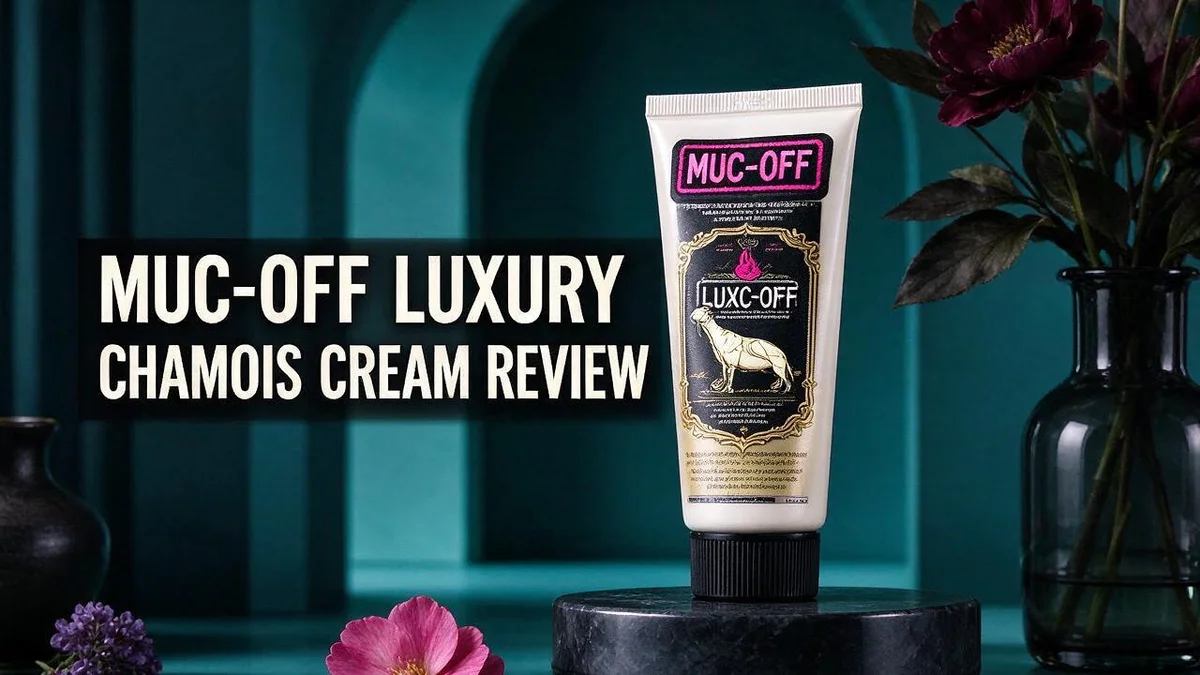
Muc-Off Luxury Chamois Cream Review: Does It Prevent Chafing and Saddle Sores?
Long rides can be tough on your skin. Chafing and saddle sores often show up when you least expect them. That is why many cyclists look for a reliable chamois cream. A good cream can make the difference between a fun ride and a painful one.
This luxury chamois cream aims to protect you on every ride. It forms a barrier that helps reduce friction. Riders can apply it before heading out, no matter their riding style.
Made with aloe vera, witch hazel, shea butter, and sunflower oil, it feels gentle on the skin. It is also free from parabens and formaldehyde. Many riders also enjoy its mild cooling effect.
Ready to see if it lives up to the hype? Let’s take a closer look at what it offers, how it performs, and who it suits best.
In a Nutshell
-
Size options: You can choose from 8.5 fl oz, 3.4 fl oz, or a 100ml tube. A Pour Femme version also comes in 3.4 fl oz, so there is a fit for every rider.
-
Clean formula: The cream is free from parabens and formaldehyde. That gives you peace of mind about what touches your skin on every ride.
-
Germ fighting claim: The brand says it kills 99% of germs. This adds an extra layer of care during long, sweaty sessions.
-
Cool comfort: The brand describes a mild cooling effect. This can help when the temperature climbs and the miles stack up.
-
Timing tip: Apply it about 5 minutes before you ride. This gives the cream time to settle on your skin and chamois, so you start with full coverage.
-
Texture comparison: Assos feels firmer, so Muc-Off feels softer by comparison. Gold Bond offers a solid stick that is easy to apply, which may suit riders who want quick application.
Key Ingredients

- ANTI-CHAFING: Our Chamois Cream is formulated to form a protective barrier that helps to prevent skin damage from...
- LUXURY MOISTURISER: This ultra-hydrating anti chafe cream is enriched with provitamins and loaded with the very...
Last update on 2026-11-27 / Affiliate links / Images from Amazon Product Advertising API
Every ingredient in a chamois cream has a job. Some calm the skin, while others help the cream glide. Here is how the key players in this formula may help you on the bike.
Aloe vera plays a calming role. It can soothe skin after hours in the saddle. Many riders like how it feels when their skin starts to feel warm or irritated.
Witch hazel is a plant extract. Many people use it to tone the skin. In this cream, it may help your skin feel fresh before and during a long ride.
Shea butter adds richness to the formula. It sits on the skin and forms a thicker layer. That layer can help shield areas that rub against the saddle.
Sunflower oil brings a smooth, silky feel. It helps the cream spread evenly across your skin. Even coverage means fewer thin spots where friction can build up.
Think of the formula as a team. Each part supports the others. The soothing ingredients work with the protective ones to keep your skin comfortable mile after mile.
The texture leans softer than some rivals. That softness can make the cream feel lighter during application. Many riders prefer a lighter feel under their shorts.
Sensitive skin needs extra care. Test a small patch of skin first. Wait a day to see how your skin responds before using it on longer rides.
Ingredient lists also tell you what to expect over time. Natural oils and butters may need a little extra care when washing. Warm water and a gentle wash keep your shorts fresh for longer.
Check the label before you buy. Look for the same ingredients you see here. Matching your needs to the formula helps you choose the right product for your ride style.
Texture and Application
The texture of this cream shapes how it feels on the bike. You want something that glides smoothly without feeling greasy. Muc-Off aims for that balance.
Start with a small amount. A little goes a long way on the skin. Too much can leave you feeling slippery in the saddle.
Spread the cream evenly over the areas that touch the seat. Think of the inner thighs and sit bones. Use your fingers to work it in gently.
Warm it up first. Rub a small dab between your palms for a few seconds. Body heat helps the cream spread more easily and feel softer on contact.
Next, apply a thin layer inside your chamois pad. This step matters just as much as applying it to your skin. Smooth it out so no clumps form.
Pay close attention to seams and pockets. These spots often rub the most during long rides. A light coat there helps keep friction low.
Avoid overapplying near the front of the pad. Extra cream can shift during pedaling and cause discomfort. Keep the layer thin and even.
The brand says the cream lasts through most rides. Still, check your comfort every hour on longer routes. Small adjustments can make a big difference.
Application speed is another point to consider. Gold Bond offers a solid stick that many riders find quick to swipe on. Muc-Off takes a little more time to spread, but the coverage feels full.
Some riders prefer a solid stick for quick touch ups. Others enjoy the smooth coverage of a cream. Your choice depends on your routine.
Clean up after every ride. Warm water and a mild soap work well on most skin. Wash your chamois pad too, so the next ride feels fresh.
Listen to your body. If you notice redness or itching, stop using the product and speak with a doctor.
Results and Effectiveness
The real test happens on the bike. Good results mean less rubbing, fewer hot spots, and a more comfortable ride. Here is how to judge those results for yourself.
Look for these signs early. You may notice less friction within the first few miles. Your skin should feel calm rather than raw after the ride.
Give it several rides. One outing shows only part of the picture. Many riders wait for three or four rides before they decide. Patterns appear over time.
Compare the same routes. Ride a familiar loop with and without the cream. Note how the seat area feels at the halfway point and at the finish.
Track each ride. Longer rides put more strain on the skin. A simple notebook or phone app works well. Log distance, weather, and comfort for clear trends.
Heat changes the outcome. Hot and humid days create more sweat and friction. Results often vary across seasons. Adjust your expectations for each condition.
Notice recovery time. Some riders feel less soreness the next day. Others notice little change. Both results are normal and worth recording.
Brand claims need context. The brand says the cream holds up in extreme conditions. Your results depend on fit, clothing, saddle, and skin type. Treat the claims as a starting point.
Set realistic goals. Expect smoother rides rather than a miracle fix. Small gains add up over long weekends and multi day trips. Patience helps you see real progress.
Judge the whole setup. Chamois cream supports comfort but cannot fix a poor fit. Quality shorts, proper saddle height, and steady pacing matter too. Credit the full setup for a great day.
The bottom line. Many riders who apply this cream before every ride notice steadier comfort. Keep notes, test with care, and decide based on your own experience.
Top 3 Alternatives
Looking for a different chamois cream? These three options suit many riders. Each one offers a unique feel and benefit.
Chamois Butt’r

- COMFORT FOR EVERY BODY THAT MOVES Originally developed for cyclists, Chamois Butt'r is here for anyone who gets out...
- HELPS PREVENT & SOOTHE CHAFING Friction, moisture, and heat can show up whenever you get moving - but discomfort...

Last update on 2026-11-27 / Affiliate links / Images from Amazon Product Advertising API
Chamois Butt’r is a popular choice for long rides. It goes on smooth and helps skin feel comfortable mile after mile. Many riders like its simple, natural approach. A small amount goes a long way, so one tub lasts many rides.
Assos Chamois Cream

- ASSOS’ legendary chamois crème is a pre-ride necessity that reduces friction-caused irritation, rehydrates and...
- OLD packaging/product with UPC 784718623651
Last update on 2026-11-27 / Affiliate links / Images from Amazon Product Advertising API
Assos Chamois Cream comes from a brand known for cycling wear. Riders often reach for it before race days or big training weeks. It creates a soft layer between skin and shorts. It helps prevent irritation during hours in the saddle. Its texture spreads easily and does not feel greasy.
Hirzl Grippp

- SUPERIOR GRIP AND CONTROL: The palm the Grippp Fit is made of Kangaroo leather tanned with the HIRZL GRIPPP...
- SWEAT-FREE, COMFORTABLE FIT: The highly moisture-absorbent kangaroo leather palm, combined w/ synthetic leather...
Last update on 2026-11-27 / Affiliate links / Images from Amazon Product Advertising API
Hirzl Grippp takes a different approach. It focuses on grip and staying power. Many riders say it stays in place even during sweaty summer rides. This cream works well for anyone who wants extra hold on hot days. It washes out easily with regular laundry after your ride.
Each option has its own strengths. Try one or two to find the best fit for your riding style.
Durability in Extreme Conditions
Harsh weather puts real pressure on any chamois cream. Rain, mud, cold air, and grit all test how well a formula stays in place. This section explains what to watch for.
Cold mornings can make the texture feel firmer. A firmer feel may spread less easily across the pad. Riders should expect a slightly different feel on frosty starts.
Rain brings a different kind of challenge. Water can wash away a thin layer of cream during a long ride. Many riders find the protection fades faster in a downpour.
Mud and road grit add another layer of stress. Dirt can mix with the cream and rub against the skin. Keeping the cream clean and fresh helps the barrier do its job.
Reapplication is a key question for tough days. Some rides run for hours, far beyond a usual outing. Storms and constant water may shorten how long protection holds.
Packing a small spare tube can help. Riders can refresh the barrier during a rest stop. This tip suits anyone facing unpredictable weather.
Storage affects durability too. A cream left in a hot car or a freezing garage may separate or change texture. Keep the tube in a cool, dry bag between rides.
Extreme conditions also test your skin. Wind, sun, and salt from sweat can dry the skin quickly. Pat dry after wet rides and let your skin breathe.
Honest expectations make the review fairer. The cream may hold up well in mild rain and cool air. Severe storms or muddy race days may call for extra care.
Track weather alongside each ride. Note whether the day was wet, cold, or dusty. Patterns will show where the product shines and where it struggles.
Winter riders often face the toughest mix of cold, wet, and grime. Testing the cream across several seasons gives a clearer answer. Patience helps you judge its true durability.
Suitable Riding Styles
Muc-Off Luxury Chamois Cream suits many types of cycling. The brand says it works for all riding styles. That makes it a flexible choice for different kinds of riders.
Road cycling is probably the most common match. Riders spend long hours in a fixed seated position. Steady pedaling creates constant friction from start to finish.
Gravel riding brings a different mix of stress. Bumps and vibrations shift your weight on the saddle. Dust and loose dirt can also reach the chamois. Good preparation matters on these rougher routes.
Mountain biking involves quick changes in position. You stand, slide back, and lean into turns. The softer texture may suit riders who move often on the bike.
Bike commuting is a practical choice for many people. Short daily trips add up over a busy week. Commuters often wear regular clothing over a padded liner. A light layer like this can keep the ride comfortable.
Indoor training deserves a mention too. Stationary sessions keep you in one place for a long time. Pressure stays on the same spots, so a steady barrier can help.
Racing and fast group rides place high demands on the skin. Riders push hard and stay low on the bike for long stretches. Test the cream on a training ride before race day.
Endurance and touring riders may find the most benefit. Trips that last several days demand comfort each morning. Many riders pack extra supplies for these longer adventures.
Women riders can also look at the Pour Femme variant. It offers another option for those who want a version made for their needs.
Match the cream to your habits. Every rider feels friction in a different way. Think about your typical ride length, your terrain, and how often you ride. Then decide if this cream fits your routine best.
Pros and Cons
Pros
- Contains aloe vera, witch hazel, and shea butter
- Free from parabens and formaldehyde
- Creates a protective barrier against chafing
- Leaves a mild cooling feeling on the skin
- Suits many riding styles, from road to commuting
Cons
- Texture feels softer than the Assos Chamois Crème
- The anti-bacterial claim comes from the brand itself
- Competitors like Gold Bond offer a solid, easy-to-apply option
Who Should Buy It
New riders often feel unsure where to start with chamois cream. This product can serve as a simple first step.
Casual riders who head out a few times each week may find it fits their routine well. They can apply it, wait a few minutes, and ride.
Riders with sensitive skin should test a small patch first. Every body reacts in its own way, so a quick check before a long ride helps.
The range of sizes gives buyers room to experiment. A smaller tube lets people try the texture before they commit to a larger size.
Riders who used a solid stick before may need a short adjustment period. A creamier feel takes some getting used to, but most people adjust with practice.
Weekend riders and commuters with steady habits often feel most comfortable with it. Daily trainers may want to plan ahead and keep extra product at home.
People with medical skin conditions should speak with a doctor before using any new product. This advice applies even when a cream seems gentle.
Riders who want a fully solid format may prefer a different option. A stick style might suit their hands and habits better.
Beginners who feel nervous about chafing can use it as a confidence builder. Knowing they have a plan helps them focus on the ride itself.
Older riders or those returning after a break may also appreciate the simple routine. Gentle care often matters more than complicated steps.
Anyone who wants to test the product should start with a short ride. Honest feedback after a few sessions helps shape the final decision.
Friends who ride together can compare results. Sharing notes about comfort helps each rider find the right match.
In short, this cream suits riders who want a simple, familiar routine. It works best for people who prefer a light touch and easy application.
Final Verdict
The bottom line is simple. Muc-Off Luxury Chamois Cream makes a sensible pick for many cyclists. It handles a wide mix of daily rides without fuss.
Think of it as a dependable everyday tool. It does its main job well, and it asks very little from the rider.
Application habits matter a lot. Rub a thin layer onto the chamois pad rather than the shorts fabric. Less product often works better than a heavy coat.
Timing also plays a role. Apply the cream a few minutes before you clip in, so it settles on the skin. A rushed coat can feel greasy and uneven.
Cleaning your kit keeps results steady. Wash your shorts soon after each ride. Fresh pads help the cream work as intended and keep your shorts in good shape.
Long days call for a plan. The smaller travel size fits neatly into a saddle bag. Reapplying on a long ride can keep friction under control.
Pair the cream with quality shorts. Even the best cream cannot fix a poor fit. Good shorts with a well made pad let the product do its job.
Bike shops often recommend trying one product at a time. Changing several things at once makes it hard to know what helped. Stick with this cream for at least a few weekly rides.
Keep notes on each ride. Record the length, the weather, and how your skin felt afterward. These notes reveal patterns that a quick glance might miss.
Your final choice comes down to comfort. Every rider knows their own body best. Trust how your skin feels after several rides before you decide.
Finally, store the tube in a cool, dry place. Heat can change the texture and make it harder to spread. A tidy storage habit keeps the product ready for your next ride.
In short, this cream earns a spot in your kit. Give it a fair trial, pay attention to your skin, and enjoy more comfortable miles on the bike.
Frequently Asked Questions
Does it hold up in hot or sweaty conditions?
The brand says it lasts in extreme conditions. Heat and sweat can still wear down any cream over time. Check your skin during long rides. If the feeling fades, you can reapply a thin layer on the chamois pad.
Can I use it on other skin areas?
The research does not list other uses. It focuses on the chamois and the skin that touches the saddle. Stick to that area for the best results. Using it elsewhere is a question for the brand.
Does it have any known drawbacks?
The research does not list clear cons. Still, the texture is a key point to consider. Some riders want a firmer feel than this cream offers. If that sounds like you, test a small amount before your next big ride.
Is it waterproof?
The research does not say. Water resistance matters most for riders who ride in rain or ride often in wet conditions. Check the product label or contact the brand for a clear answer before you buy.
Can I wear it under any type of shorts?
Most riders wear it with cycling shorts that have a padded chamois. Pair the cream with a pad that fits well. A good fit helps the cream do its job and keeps friction low.

Virat is the founder and lead writer at ActivePlayFinds.com, where he shares honest, in-depth reviews, comparisons, and buying guides to help athletes and sports enthusiasts find the perfect gear. With a deep passion for sports and hands-on experience testing a wide range of products, he is committed to helping readers make smart, confident buying decisions.